


According to official sources, the parties discussed mechanisms to ensure transparency in media funding, rules for the allocation of advertising, and measures to prevent the concentration of media resources in a single set of hands. It is noted that the meeting laid the foundations for inter-ministerial cooperation with a view to coordinating state policy in this area.
Particular attention was paid to creating a level playing field and supporting independent local publications to ensure a pluralism of opinion. It was stated that the interim audit of the media development programme is aimed at maintaining a balance between combating external disinformation and protecting freedom of speech within the country.
‘No’ to anti-competitive practices
The Competition Council has reaffirmed its readiness to engage in dialogue with all participants in the media market: media organisations, professional associations, service providers and other stakeholders.
The Authority urges industry representatives who notice signs of possible anti-competitive practices to contact the Competition Council directly.
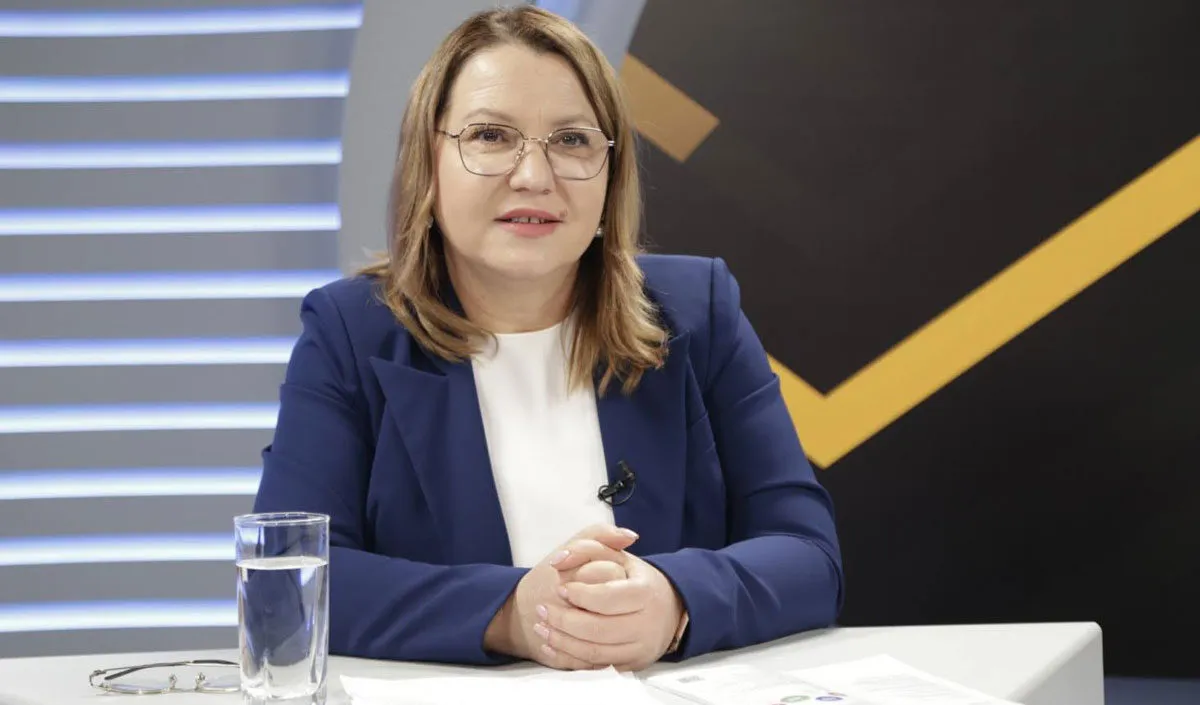
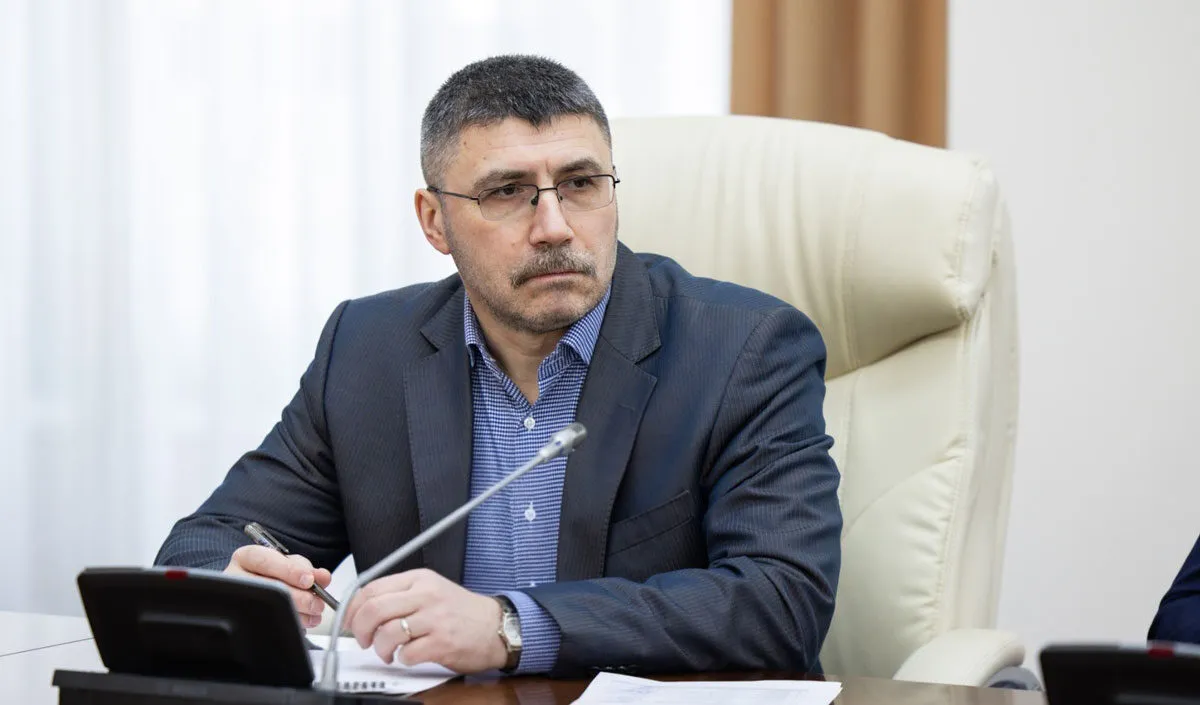
‘A timely and direct complaint will enable the Council to intervene effectively and document each case properly. Information made public in advance may alert those involved, who may destroy or conceal evidence. The details of those contacting the Council are treated confidentially,” urged Cornelia Gorinchoi, a member of the organisation’s plenum.
Adoption of the new media law and regulation
In August, parliament passed, at its final reading, a completely new framework Media Act, which replaced the outdated 1994 Press Act. The key innovations in the legislation concern the creation of a single state register of media service providers, requirements for full transparency regarding ultimate beneficial owners (owners of websites and television channels), and the introduction of rules for moderating comments.
Participants at the meeting welcomed the clarification of the powers of state institutions provided for in the new Media Law, which is due to come into force in March 2027 – this will bring clarity regarding the role of each authority in this sector.
The PAS parliamentary majority is also pushing for amendments to the Audiovisual Media Services Code to increase quotas for Romanian-language and domestic content, which will come into force in 2027.
Criticism from the opposition and international observers
Representatives of the parliamentary opposition claim that the new restrictions and the creation of additional registers could be used by the authorities as levers of control over the independent press.
In its final report on the Moldovan elections, published by the OSCE Office for Democratic Institutions and Human Rights, concerns were raised regarding freedom of expression in connection with the extrajudicial blocking of certain news portals and media outlets.
According to official statements made during plenary sessions of parliament, Moldova has risen in the international Press Freedom Index compiled by Reporters Without Borders, ranking 31st in the world. Members of the relevant parliamentary committees emphasise that this is the result of reforms undertaken as part of the harmonisation of legislation with the EU.
The international human rights organisation Freedom House rates Moldova as a ‘partly free’ country, noting that freedom of expression, assembly and the press are generally protected, although the media market remains vulnerable.
This story was translated with the assistance of artificial intelligence.The translation was also reviewed by the Logos Press editorial team.
Follow our updates
Have information for the newsroom? Share it with Logos-Press



















Comments
0No comments yet. You can start the conversation.
Comments are open to readers with a Logos Press account.
Sign in to comment