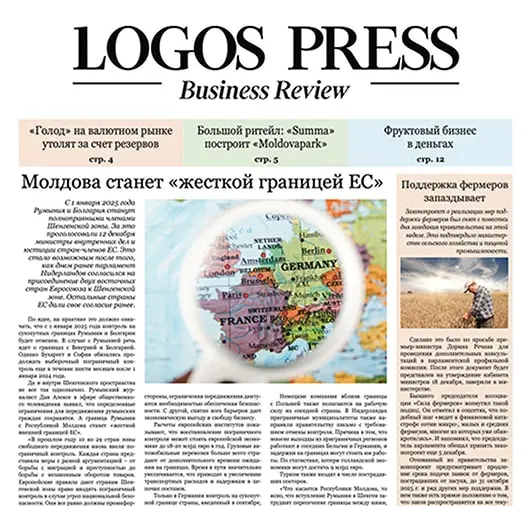
The structure of external liabilities in 2026 shows that the private sector is growing at a faster rate than the public sector. According to the latest data from the NBM, the private sector is attracting foreign capital more aggressively, whilst public debt is increasing at a moderate pace, despite numerous criticisms regarding the speed at which external borrowing is rising. How can this be explained?

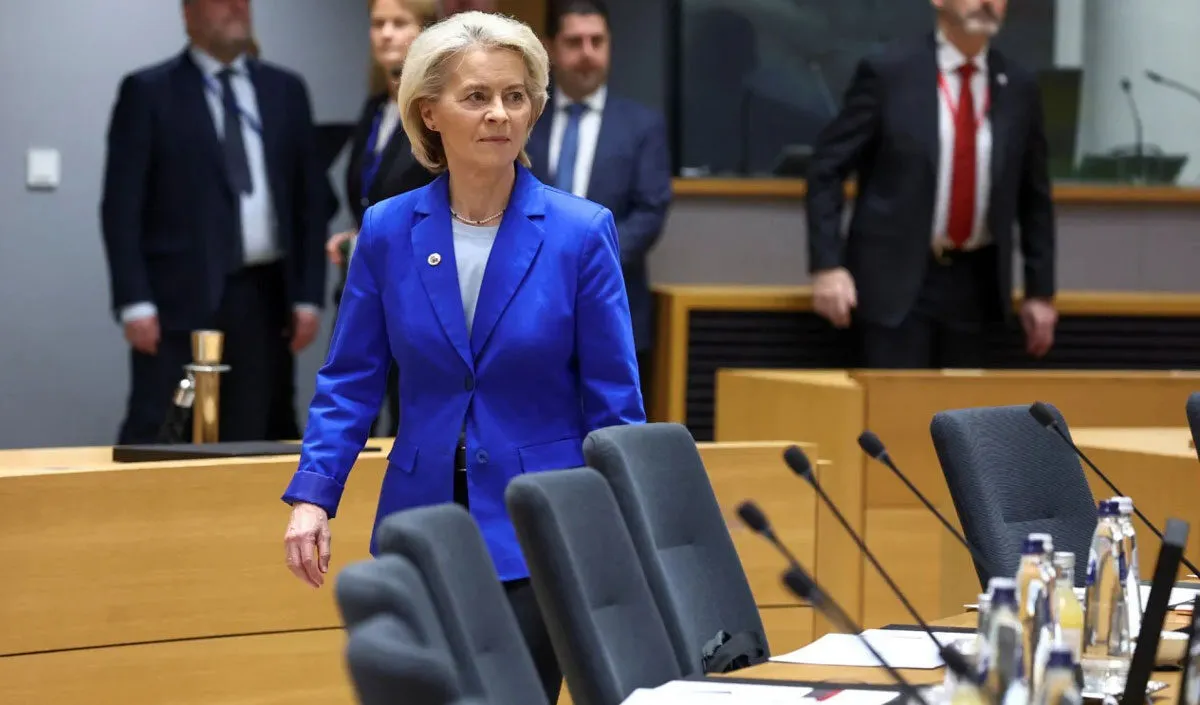
The European Union plans to completely halt imports of Russian gas by the end of 2027. This announcement was made by the President of the European Commission, Ursula von der Leyen, whilst addressing the European Parliament in Strasbourg. Imports of liquefied natural gas from Russia are to be completely blocked from 1 January 2027.
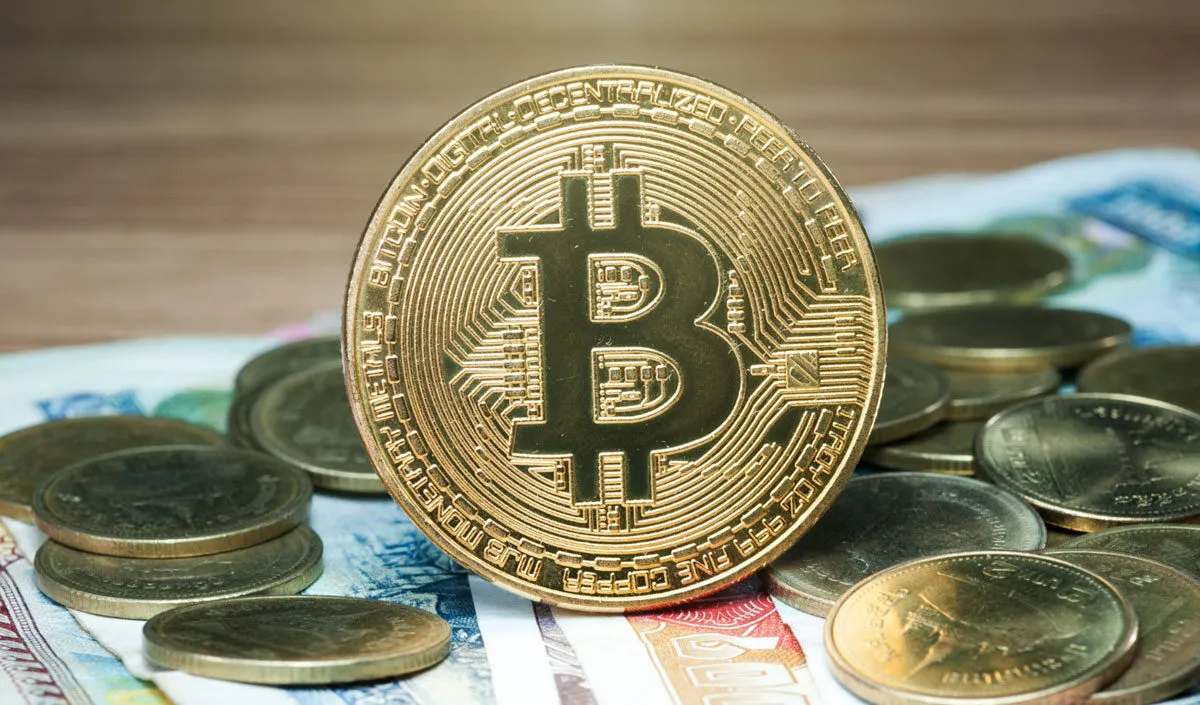
The National Bank of Moldova (NBM) is embarking on the development of a regulatory framework for crypto-assets and service providers in the crypto-asset sector. It was announced today that preparations are underway for the issuance of electronic money tokens and for their issuers. The focus is on transaction volumes and the stability of the currency.

Yields on government bonds (VMS) in Moldova are rising compared with previous periods. As part of the announced autumn round of direct subscription for individuals on the eVMS.md platform, the Ministry of Finance offered fixed interest rates ranging from 7.65 per cent to 8.05 per cent per annum. By way of comparison, last autumn the maximum rate on three-year bonds stood at around 7 per cent.

New uniform rules for handling complaints from customers of financial institutions have come into force in Moldova. On 1 October 2026, the Regulations on the Management and Resolution of Complaints, approved by the National Commission for the Financial Market (NCFM), came into force. The document sets out strict standards and clear deadlines for handling consumer complaints in the financial market.

It has been exactly one year since the full launch of the Single Euro Payments Area (SEPA) in Moldova. The results demonstrate a radical transformation: SEPA has almost completely replaced traditional cross-border transfers, saving citizens and businesses millions of euros. By the end of summer 2026, 87 per cent of all euro payments in the country were already being processed through the system.

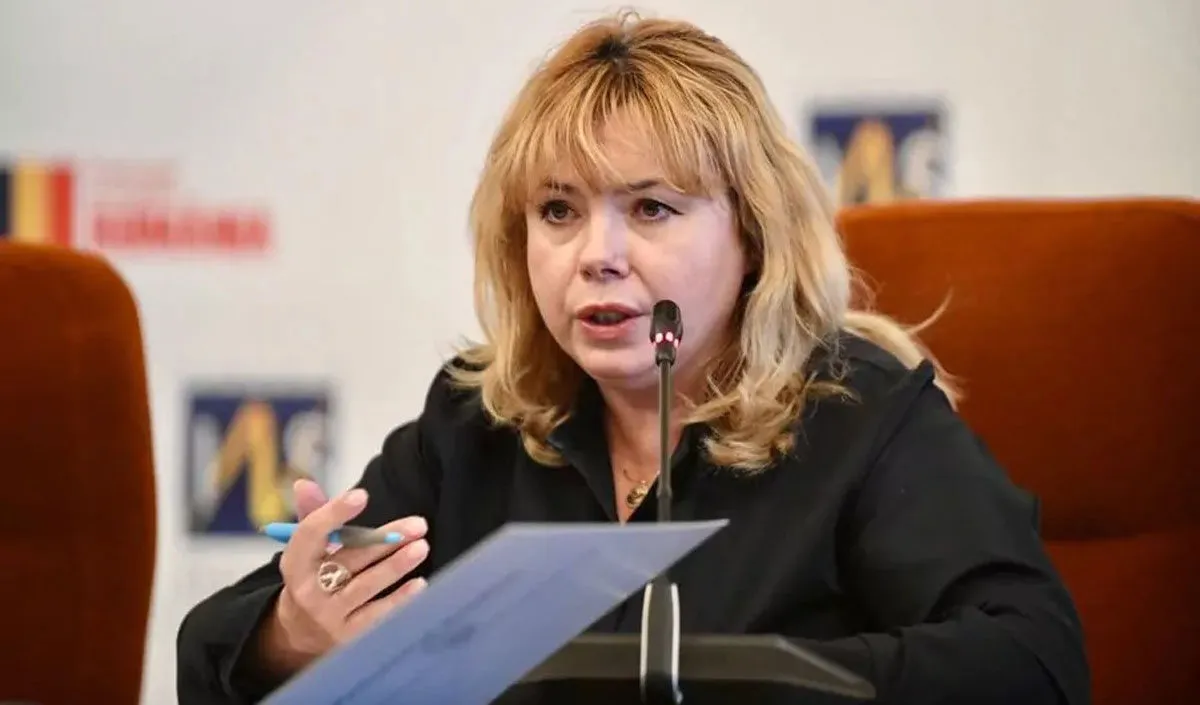
Cooperation between the financial regulators of the two countries has intensified significantly. The day before, Anca Dragu, Governor of the National Bank of Moldova (NBM), and Andriy Pyshny, Governor of the National Bank of Ukraine (NBU), held a bilateral working meeting dedicated to strengthening the strategic partnership, ensuring regional financial stability and coordinating steps towards European integration.
In the first six months of 2026, the capital market showed mixed performance. The key trend of the half-year was unprecedented growth in the primary market, driven by a surge in business interest in issuing corporate bonds, whilst trading activity in the secondary market declined moderately.

Anthropic PBC, the developer of the popular chatbot Claude, is preparing to launch one of the largest initial public offerings in the history of the technology sector. According to details from the company’s confidential IPO prospectus, the start-up is aiming for a valuation in the range of $1.8 to $2 trillion. If these plans come to fruition, Anthropic will officially surpass the market capitalisation of Elon Musk’s aerospace giant SpaceX, whose market debut previously set the bar at $1.77 trillion.
Ukraine’s accession to the European Union by 1 January 2027 is not possible, as Brussels has no intention of granting candidates any concessions or privileges. This statement was made by Marta Kos, the European Commissioner for Enlargement, in an interview with the Italian newspaper Corriere della Sera.
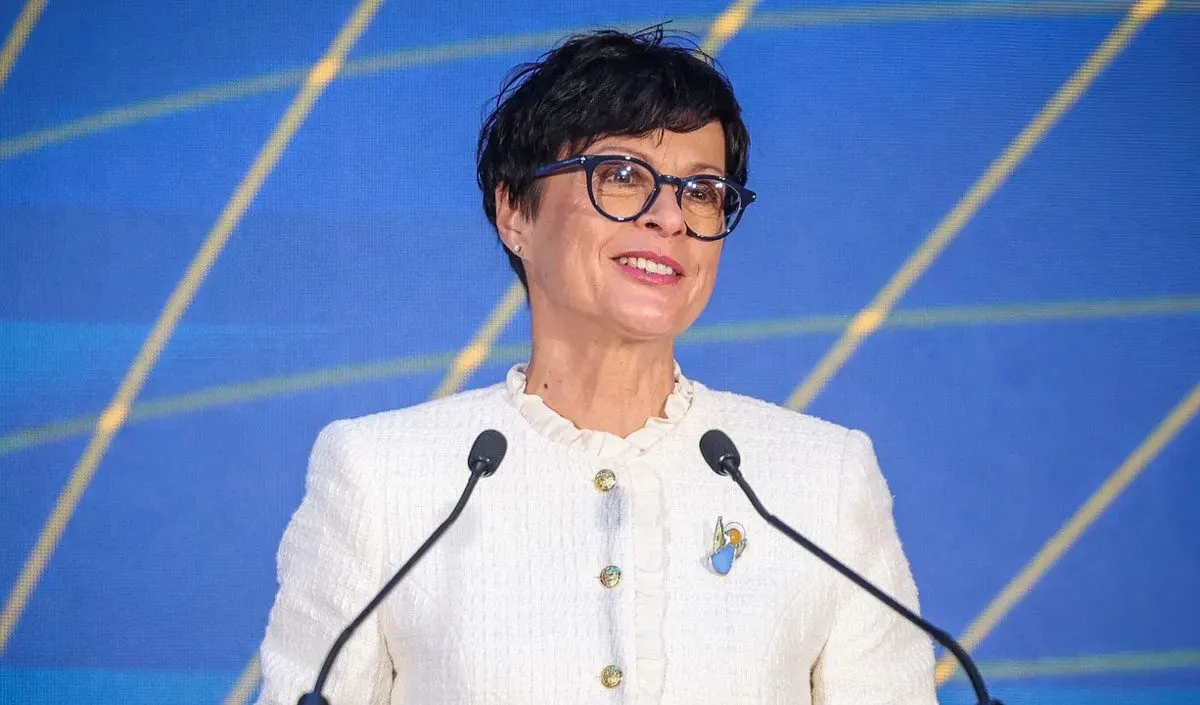
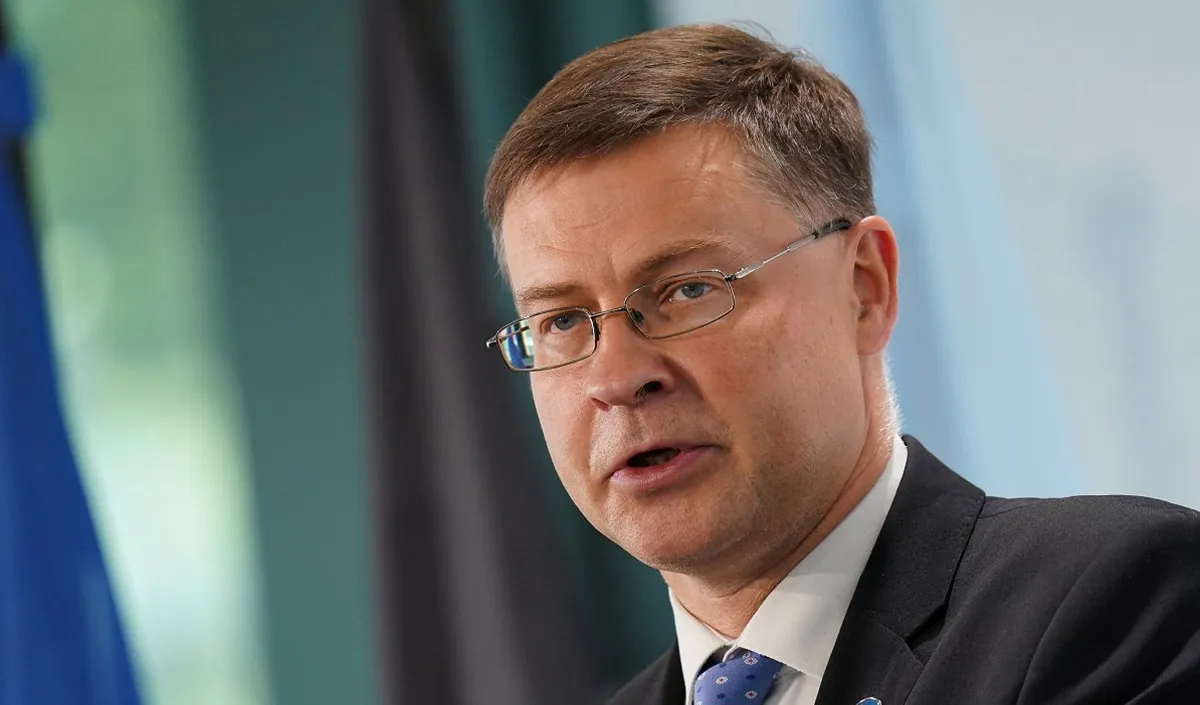
The European Union has granted the Republic of Moldova access to funding totalling over €503 million in the form of grants and soft loans. This was announced by Valdis Dombrovskis, Executive Vice-President of the European Commission and Commissioner for Economic Affairs, during his first working visit to Chișinău.
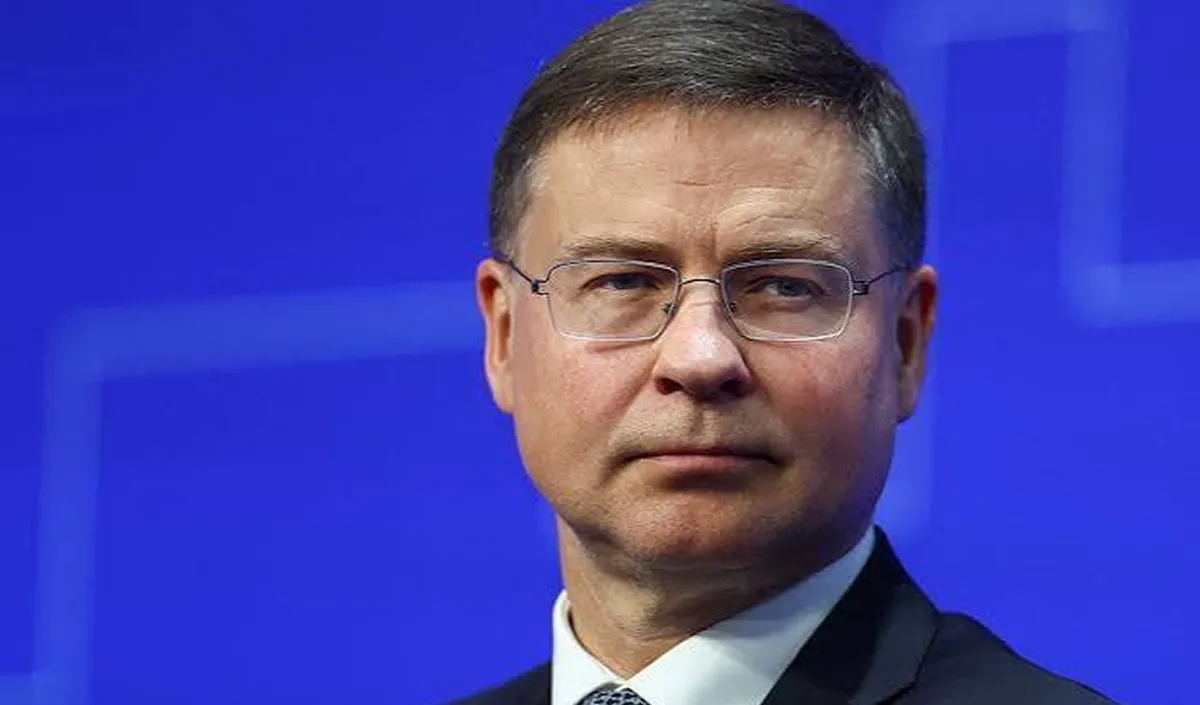
The profits of Moldova’s insurance companies in the first half of 2026 exceeded 126 million lei. Official statistics from the National Bank of Moldova (NBM) indicate that the market is recovering following the protracted crisis of recent years.

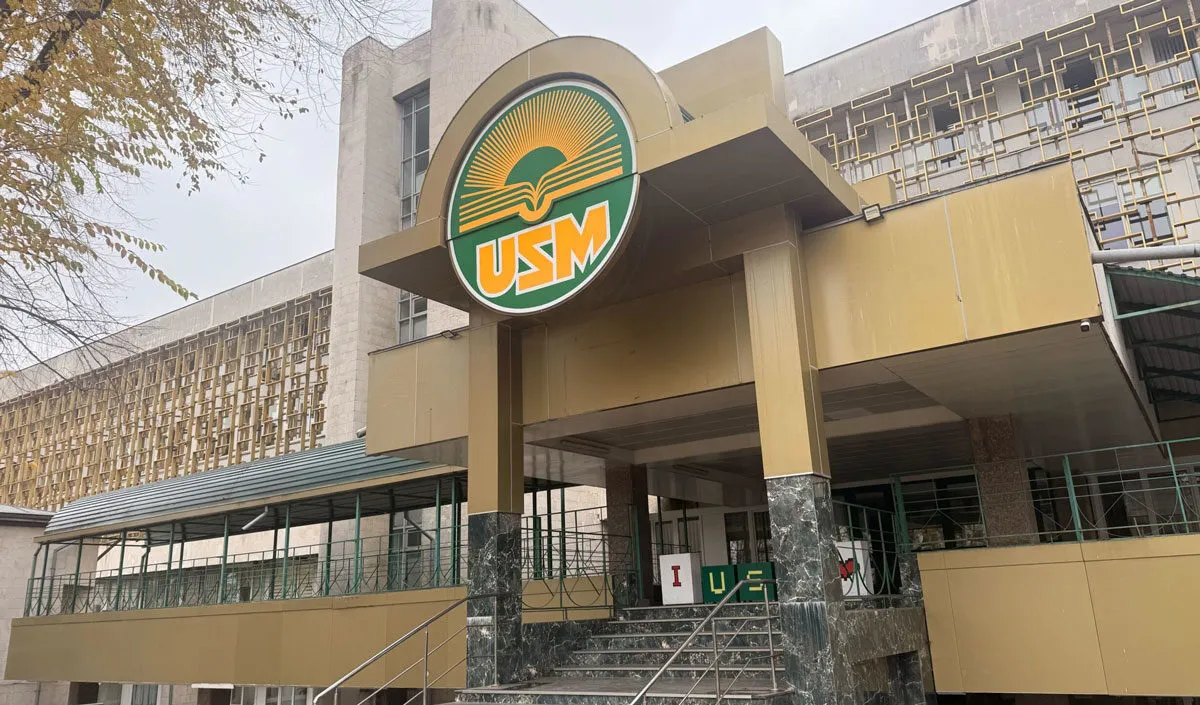
The State University of Moldova (USM), the country’s leading higher education institution, celebrated the 80th anniversary of its foundation. The official date of the university’s establishment is 1 October 1946. The anniversary celebrations, which coincided with the centenary of Romanian university education in Bessarabia, took place the day before and were attended by hundreds of guests, including the country’s leadership, foreign delegations, the academic community and alumni from various years. The National Bank of Moldova (NBM) issued a commemorative coin to mark the occasion.
Serbia and the Russian company Gazprom have officially extended the agreement on natural gas supplies on preferential terms. The current contract, which was due to expire today, has been extended for a further three months – until 31 December 2026.

At today’s sitting, the Romanian Parliament rejected the nomination of Siegfried Mureșan, a representative of the European People’s Party (EPP), for the post of Prime Minister. The cabinet he proposed failed to secure the necessary 233 votes for approval, leading to a new round in the country’s protracted political crisis.
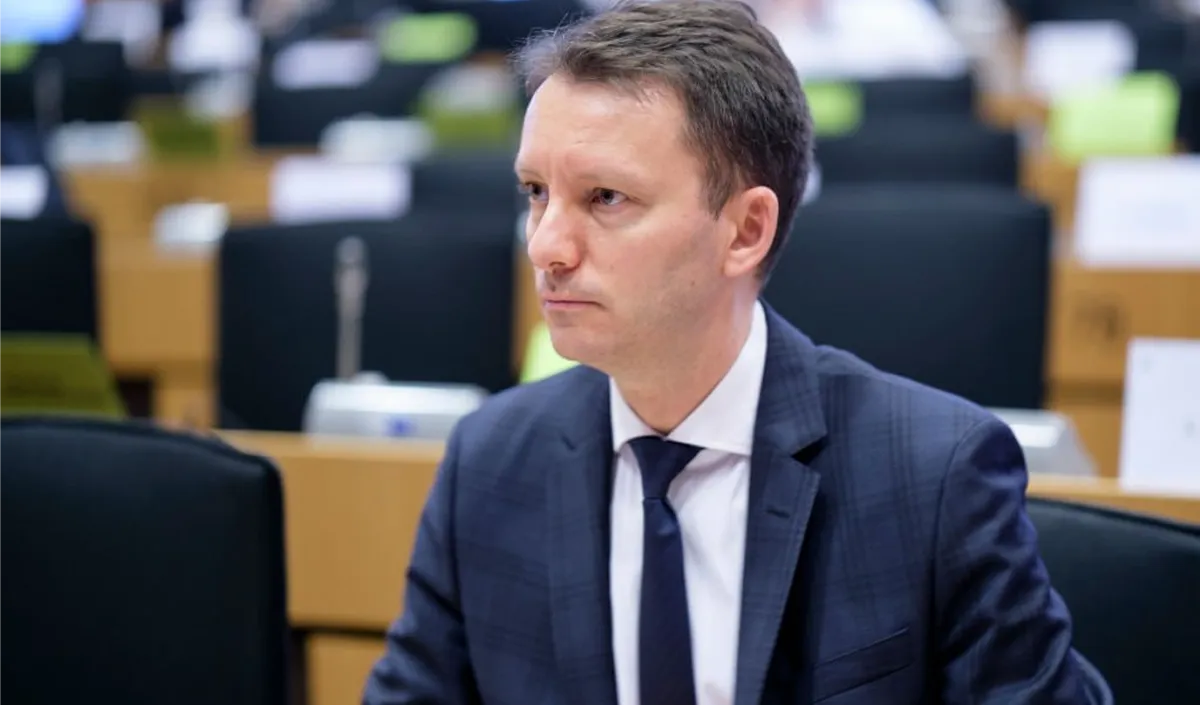
The European Union Delegation to the Republic of Moldova has announced a working visit by Valdis Dombrovskis, European Commissioner for Economy and Productivity, which will take place on 1 and 2 October. The visit will include a series of high-level bilateral meetings and participation in a major economic forum.
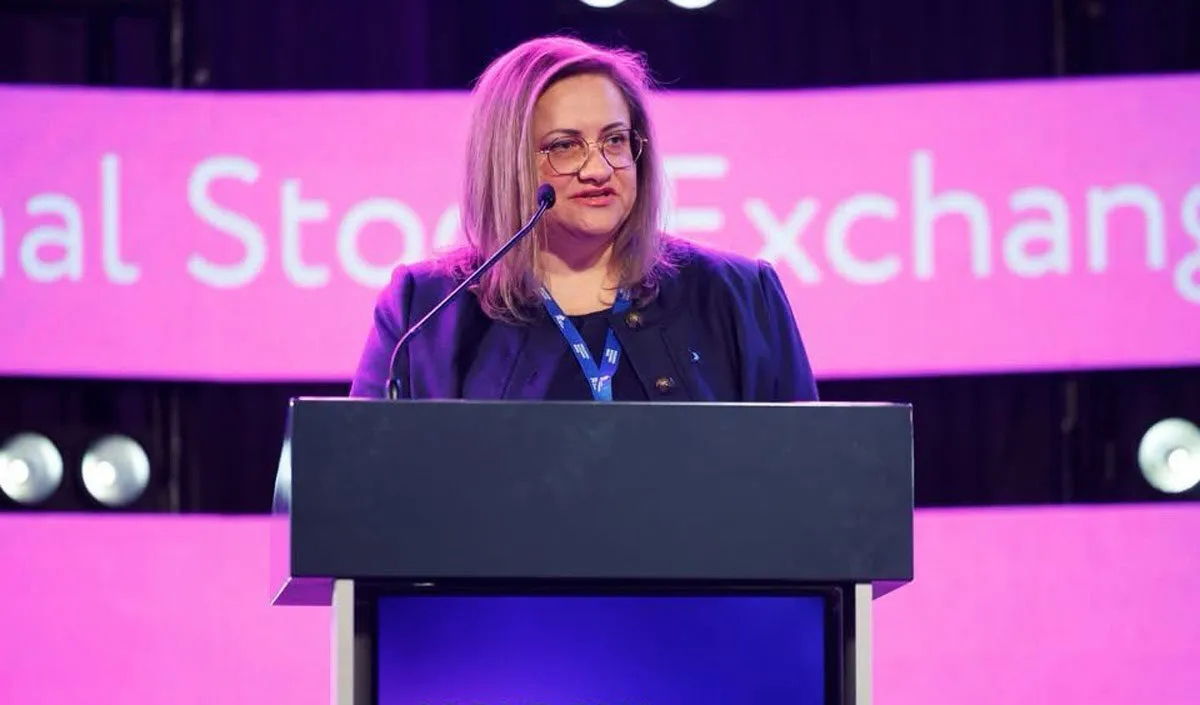
The International Stock Exchange of Moldova (BIMx) was officially launched in Chișinău as part of the Capital Market Forum 2026. This long-awaited event for the country’s financial system took place on the sidelines of the 11th annual Moldova Business Week 2026 forum, which brought together investors and business representatives from more than 50 countries.
Moldova is introducing a regulatory ‘sandbox’ for tokenised assets based on the European model. A new draft law on market infrastructures based on distributed ledger technology (DLT) is being prepared for submission. The draft has already been drawn up by the National Commission for the Financial Market and forwarded to the Ministry of Finance for public consultation.
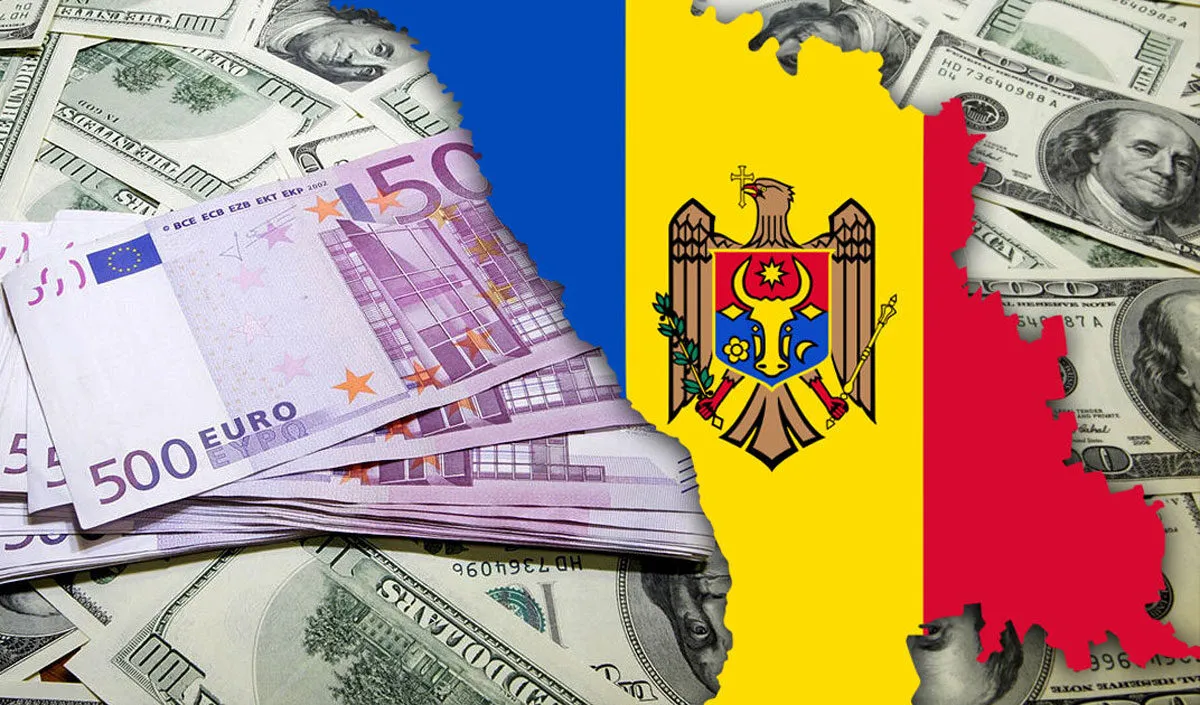
Moldova’s public debt continues to show rapid growth. Over the first eight months of 2026, the total public debt rose by almost 15 billion lei and exceeded 38 per cent of the country’s GDP. The data is provided by the Ministry of Finance in its monthly reports.
The current standards for payment orders no longer meet modern requirements and will be phased out. The old local payment order formats are gradually being replaced by the international ISO 20022 (XML) standard, which ensures end-to-end automation and data encoding in accordance with international rules.