Despite a minimal 0.5 per cent decline in investment in fixed assets compared with the first half of 2025, the capital still retains its status as the country’s main economic driver. Chisinau continues to account for around two-thirds (66 per cent) of all investment in the country’s long-term assets. At the same time, the capital accounts for over 61 per cent of the country’s regional GDP.
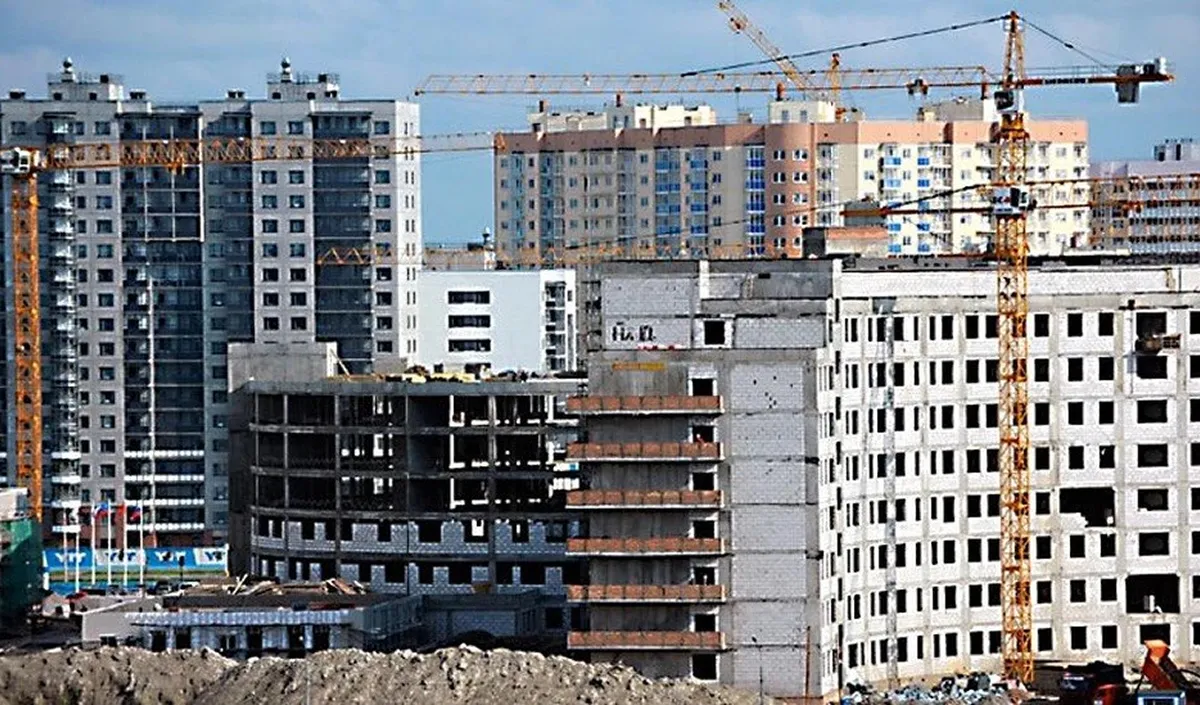
However, in contrast to the national trend, the volume of construction work completed in Chișinău fell significantly – by 11.1 per cent over the first six months of the year. This decline was steeper than the national average, where the fall stood at 8.2 per cent.
The volume of residential floor space commissioned in the capital during the first six months of the year plummeted by almost 80 per cent. Construction companies are primarily completing older projects.
Land transactions and demand
In the first half of 2026, a total of 1,659 transactions involving the sale of building plots were recorded in Chisinau and its suburbs. This is 30.8 per cent fewer than in the same period of 2025 (when there were 2,396 transactions).
In parallel with the downturn in construction, the number of transactions involving ready-built flats in the capital fell by approximately 27 per cent. Experts attribute the decline in demand to peak property prices, which reached an average of €1,700 per square metre in Chisinau, and new limits on cash payments.
Building permits
The only stable and even slightly growing component was the issuance of planning permission. Unlike other regions of the country, Chisinau has seen a slight increase in the number of building permits issued for both residential and non-residential buildings. This creates the potential for the sector’s recovery in the future, once economic conditions stabilise.
Follow our updates
Have information for the newsroom? Share it with Logos-Press