


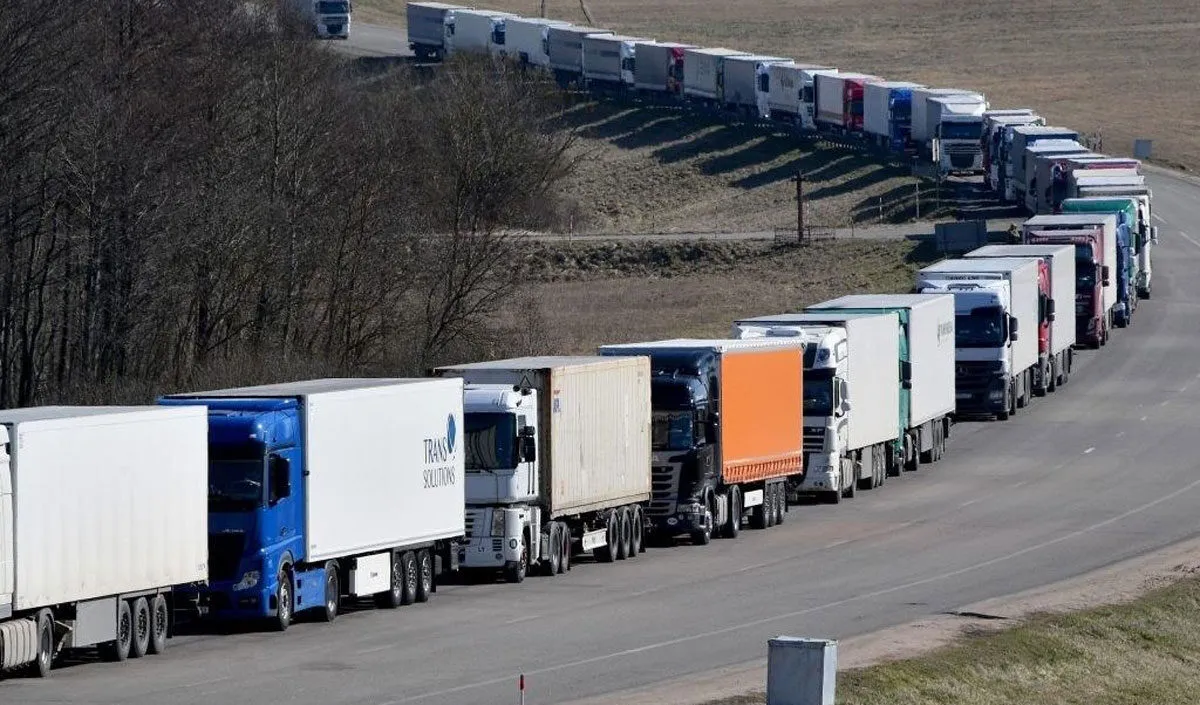
As the source quoted notes, the problem is exacerbated by low water levels in the Danube. Due to draught restrictions, the number of vessels capable of providing freight transport services is decreasing. In practice, many vessels often have to take on board only part of a potential cargo consignment – in particular, grain or oilseeds – at a shallow-water berth, and then be reloaded at a deeper-water berth. It is precisely this reloading operation that is creating a new ‘bottleneck’ in the transport logistics of Moldova and the entire north-western Black Sea region. Ships, barges and lorries are forced to wait their turn. But every day of downtime results in additional costs for exporters and, ultimately, a reduction in the price of farmers’ produce, as Logos Press previously reported.
“Today we need technical solutions, not just an acknowledgement that there is a problem,” asserts Iurie Rija. “One option is to use the ‘Mile 72’ site, provided that legal and operational regulations allow it. Another option is to identify a site within the Giurgiulești complex that could serve as a sort of ‘pressure relief valve’, that is, to enable goods to be transhipped from lorries onto barges and thereby speed up transport flows.”
According to the head of the exporters’ association, the situation is further complicated by the fact that a significant proportion of the traffic consists of lorries carrying Ukrainian goods. Long queues and prolonged waiting times are causing tension amongst lorry drivers, and this requires the authorities to take timely action to prevent conflicts and maintain public order at key points along the border.
Clear rules for crossing the border – including specific provisions concerning authorised economic operators – could help to ease the tension. “Priority of passage for any given vehicle cannot be determined directly on the road through disputes or intimidation; it must be governed exclusively by rules known to and respected by all parties,” believes Iurie Rija.
Hopes rest on the Ministry of Agriculture
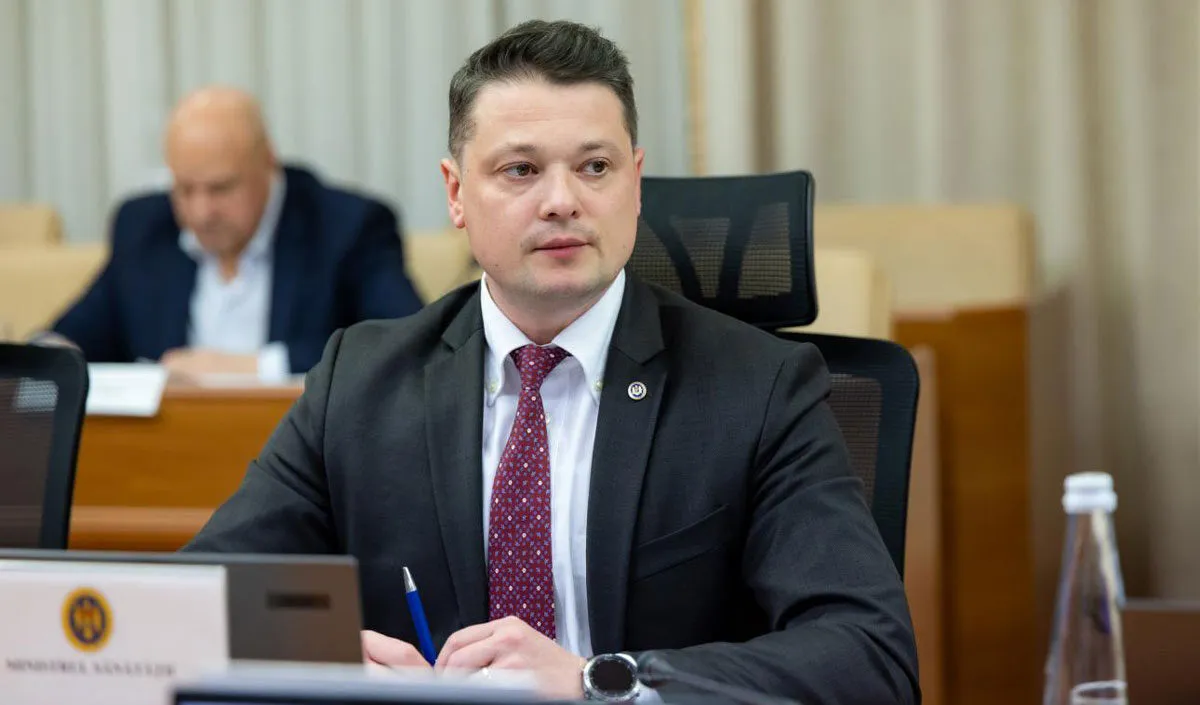
As noted by the leadership of the industry association, it is significant that the Minister for Agriculture and the Food Industry, Eugen Osmocescu, has become involved in the search for a solution. According to market operators, he raised this issue in discussions with the Ministry of the Interior and also initiated dialogue with the administration of the Port of Constanța. Further discussions are due to take place, covering both Moldovan and Romanian economic interests and their impact on the wider European context.
“The situation goes far beyond the problem of Giurgiulești,” notes Iurie Rija in this regard. “The strain on logistics in the Danube basin should be viewed in the context of the growing difficulties faced by alternative ‘solidarity routes’.” Any additional ‘bottleneck’ – be it in ports, on the Danube, at the border or on the railway – reduces the region’s capacity to transport foodstuffs efficiently from the Black Sea region. For the Republic of Moldova, the conclusions must be pragmatic. We cannot, in particular, influence the water level of the Danube or the safety of shipping in the Black Sea. However, we can manage the organisation of our border crossings, coordinate the actions of operators, make the best use of existing infrastructure, and engage in dialogue with the authorities in Romania and Ukraine. Under the current circumstances, logistics ceases to be merely a matter of freight transport; it becomes a matter of economic security – both for our country and for the entire region.”
Follow our updates
Have information for the newsroom? Share it with Logos-Press
















Comments
0No comments yet. You can start the conversation.
Comments are open to readers with a Logos Press account.
Sign in to comment