


Energocom currently purchases gas under forward contracts. As Eugen Buzațu, acting CEO of this state-owned company, explained in an exclusive interview with Logos Press, a forward contract is an agreement to supply a specific volume of gas at a future date (for example, next month or quarter), concluded in advance. Its main purpose is to ensure that, at the required time, the gas is physically delivered to consumers in the required volume.
The main drawback of such contracts is that the price of the commodity is determined at the time of sale based on exchange quotations. By playing by these rules, we end up with gas tariffs that are much higher than those in neighbouring Romania and Ukraine.
Prime Minister Tofan has put forward a new proposal: half of the gas should be purchased on the exchanges, and the other half under medium-term contracts.
He has put this proposal to neighbouring countries where gas is produced.
Ukraine’s silence
Last week, Tofan announced his intention to discuss in Kyiv the possibility of importing natural gas from Ukraine once export restrictions are lifted.
‘Ukraine has a gas surplus. I have heard a figure of around 500 million cubic metres. That is precisely the amount we need for a gas year on the regulated market,’ said the Prime Minister.
Indeed, total gas consumption in Ukraine stands at around 21 billion cubic metres per year. Domestic production stands at 19 billion cubic metres per year. The bulk of the gas is produced by the state-owned company ‘Ukrgazvydobuvannya’ and private operators, mainly in the Poltava and Kharkiv regions.
In other words, Ukraine independently supplies around 85–90 per cent of the total volume of natural gas it consumes. This has become possible not because of a sharp surge in production, but as a result of a significant reduction in domestic consumption since 2022.
Traditionally, cheap domestically produced gas is used to supply households, whilst industrial enterprises are supplied with expensive imported gas.
This year, the basic tariff set by Ukraine’s Naftogaz for households is 7.96 UAH/m³ including VAT. This is approximately 3.18 Moldovan lei. The tariff for businesses is around 23.50–26.50 UAH/m³ – 9.38–10.58 lei. That is three times higher. However, it is 2.5 times lower than in Moldova.
This week, Tofan visited the Ukrainian capital and held talks there with the country’s President, Volodymyr Zelenskyy, and Prime Minister Serhiy Koretskyi.
Following this visit, the Moldovan government’s press service made no mention whatsoever of any potential gas negotiations. The Moldovan Ministry of Energy merely noted in passing that the subject had been raised.
In other words, it is still too early to count on any supplies from that quarter.
Romania’s expectations
The day after returning from Kyiv, Tofan met in Chișinău with the new Romanian Prime Minister, Luca-Alexandru Niculescu. During this meeting, discussions centred on gas purchases from the Black Sea field Neptun Deep, which is due to come on stream in the autumn of next year.
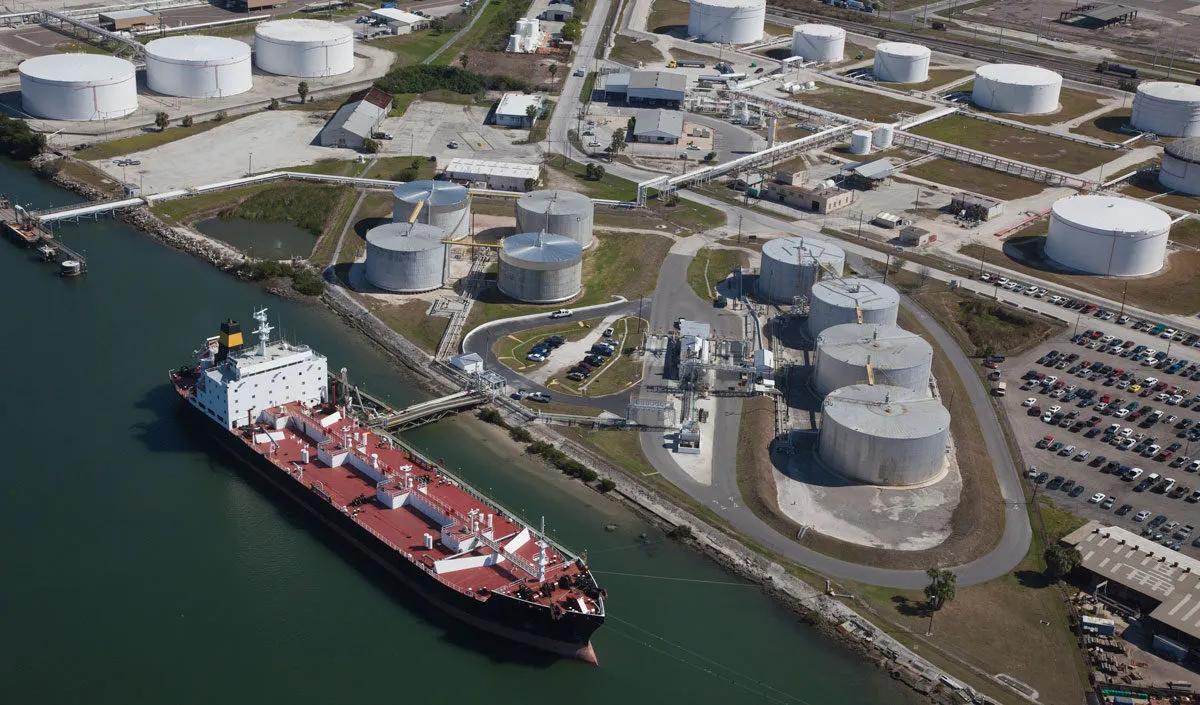
However, Energocom had already signed a three-year contract with the Romanian group OMV Petrom back in May last year for the supply of natural gas from this field. The details of the agreement, however, remain unknown.
In Romania, the current price of natural gas for domestic consumers is approximately 0.31 Romanian lei per 1 kWh (which, when converted by volume, amounts to around 3.3 Romanian lei per 1 m³ or 12.45 Moldovan lei).
It should be noted that, since 1 October, domestic consumers in Moldova have been paying 26 lei and 14 bani per cubic metre for natural gas, including VAT.
Rejection of ‘Gazprom’
Against this backdrop, the leader of the Party of Socialists, Igor Dodon, stated that he had reached a preliminary agreement in Moscow on the resumption of supplies of cheap natural gas from ‘Gazprom’ to Moldova. According to the politician, he is now looking for an intermediary company to help deliver Russian gas to the Moldovan border.
Representatives of the country’s leadership and the Ministry of Energy (in particular, Dorin Junghietu) dismissed Dodon’s statements as false. They emphasised that Gazprom lacks the technical capacity to supply gas via the previous routes. They also pointed to the unresolved issue of a disputed historical debt owed to the Russian company.
Expert: “This is not a solution”
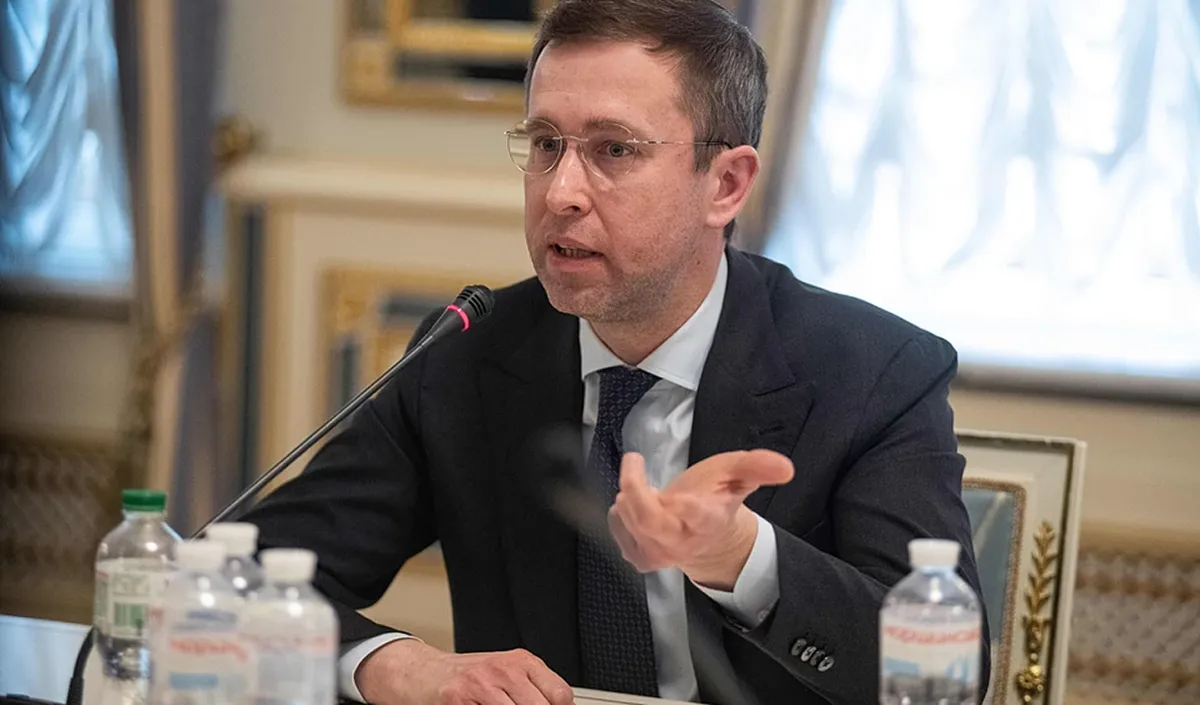
Eugen Muravschi, an expert from the Watchdog community, questioned the effectiveness of the formula proposed by the country’s Prime Minister in an interview with Logos Press.
“The problem is that we do not know the terms in either Kyiv or Bucharest,” said Muravschi. “A medium-term contract does not necessarily mean a better price.”
He highlighted two advantages of potential direct supplies from Romania and Ukraine. Firstly, there is a reduction in transport costs due to the short distances involved. Secondly, there is the stability of supply.
However, if the contract terms stipulate that the price of natural gas is indexed to the exchange, then these agreements offer no advantage over purchasing on the exchange, which is what Energocom is currently doing.
“We should not harbour any illusions that contract-based supplies from Ukraine, Romania, Qatar or the US will be cheaper. It is possible – and I emphasise, only possible – that through diplomatic efforts and certain additional factors, the price could be reduced, if not drastically, then at least by 10–15 per cent. That is the best-case scenario, but it will take some work to achieve it,” noted Muravschi.
This story was translated with the assistance of artificial intelligence.The translation was also reviewed by the Logos Press editorial team.
Follow our updates
Have information for the newsroom? Share it with Logos-Press


















Comments
0No comments yet. You can start the conversation.
Comments are open to readers with a Logos Press account.
Sign in to comment