


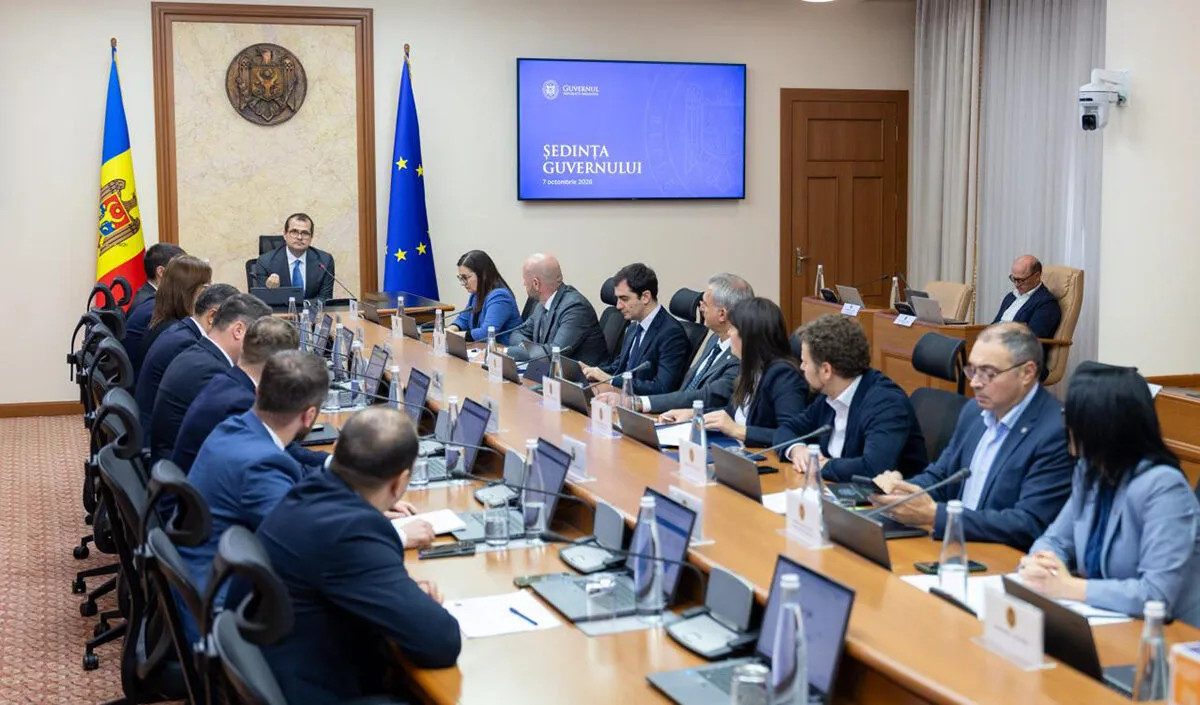
The main aim of the initiative is to accelerate the modernisation of the country’s critical infrastructure, strengthen energy independence, support farmers and carry out far-reaching reforms of the education and healthcare systems. As the Prime Minister emphasised in his speech, ‘a European country is not simply proclaimed; a European country is built’.
Financial structure and transparency
Of the total EU support package of €1.9 billion, around €1.5 billion will be provided in the form of soft loans, whilst €520 million will consist of non-repayable grants. Moldova has already successfully utilised the first tranche of €504 million, and yesterday the European Commission approved the release of the next tranche amounting to €157 million.
To ensure that the funds are utilised as effectively and transparently as possible, the government is introducing two important mechanisms:
- The new ‘Moldova Proiect’ agency – a specialised body that will be responsible for the centralised management of projects, the preparation of technical documentation and the elimination of any bureaucratic delays during the tendering and construction phases.
- A public online portal — a dedicated digital platform (gov.md/construimmoldova) where every citizen and international partner will be able to track, in real time, the progress of each of the 19 projects, the amounts spent and the stages of work.
Five key areas of modernisation
The projects presented are categorised by key sectors of the economy and the social sphere:
1. Infrastructure and regional development
A significant portion of the funds will be allocated to the rehabilitation of national roads and the integration of Moldova’s transport network with European corridors. Particular emphasis is placed on targeted investments in the regions. The list of priority areas where large-scale work will take place includes the towns of Corjova, Bocani, Clocușna, Sipoteni, Pelinei and Getlova.
2. Agriculture and water management
Food security and adaptation to climate change have become the core of the agricultural sector. The country will launch the ‘Livada Moldovei II’ programme with a budget of around 300 million euros, co-financed by the European Investment Bank (EIB). These funds will enable the modernisation of around 750 farms. At the same time, a large-scale programme will begin to restore centralised irrigation systems, introduce technologies for rainwater harvesting and the reuse of treated wastewater, and upgrade hail protection systems.
3. Energy security
Investments will be directed towards integrating the electricity grids of Moldova and Romania, constructing new high-voltage power lines, and improving the energy efficiency of public buildings (hospitals and schools), which will reduce dependence on external energy resources.
4. Modernisation of education
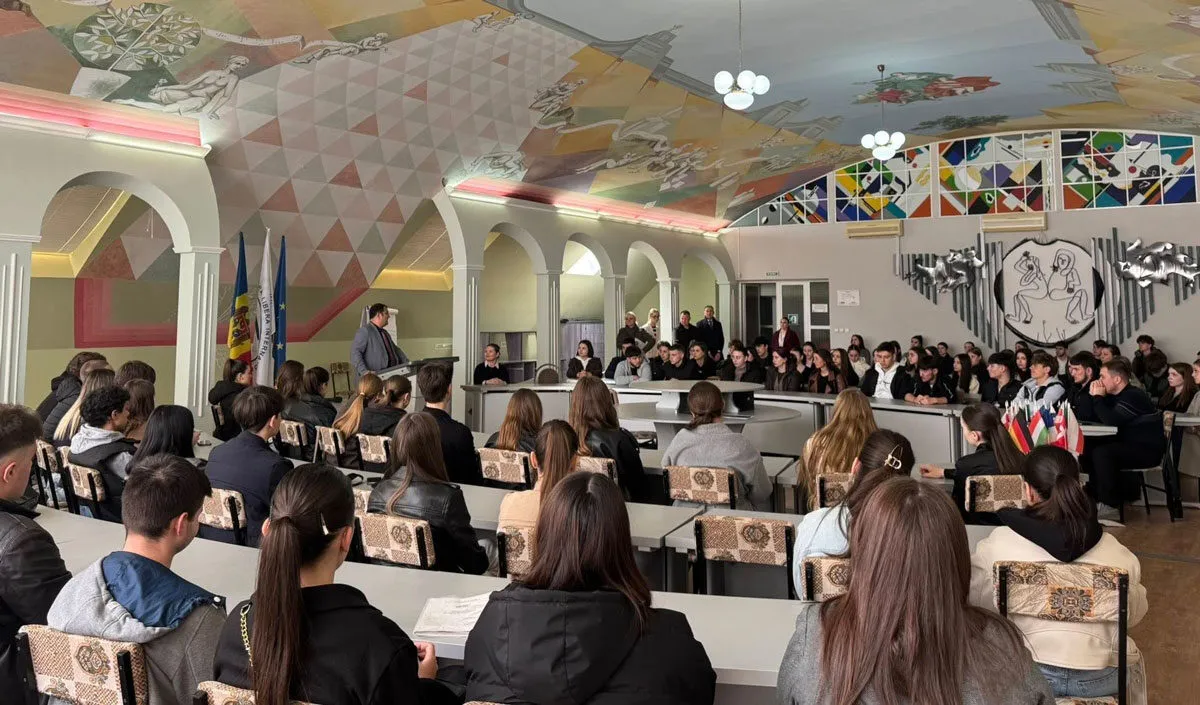
The programme envisages a major overhaul of educational infrastructure across the country. This includes the modernisation of 20 model district schools and 6 leading universities, as well as the refurbishment of 24 teaching blocks and 23 halls of residence at vocational and technical schools and colleges.
The main technological breakthrough will be the construction of the country’s first innovative campus, HiTech Park Stăuceni, which is set to become a training ground for the digital economy.
5. Overhaul of the healthcare system
The healthcare component comprises three fundamental projects:
- Large-scale development and refurbishment of the Bălți Regional Hospital with modern equipment to ensure high-quality care for the northern regions of the country.
- The renovation and modernisation of 10 rural health centres (CMs).
- Establishment of a specialised centre for the safe management and disposal of hazardous medical waste.
A boost for business
The presentation sparked keen interest from the country’s business community. According to the National Confederation of Employers’ Organisations of Moldova (CNPM), the injection of 1.9 billion euros into the economy will create enormous opportunities for local construction, engineering and consultancy firms. Large-scale public contracts will create thousands of new jobs, boost domestic demand and stimulate related sectors of the economy.
The government has promised to ensure maximum access for Moldovan businesses to tenders and to guarantee fair competition at all stages of the ‘Building Moldova’ programme’s implementation.
This story was translated with the assistance of artificial intelligence.The translation was also reviewed by the Logos Press editorial team.
Follow our updates
Have information for the newsroom? Share it with Logos-Press



















Comments
0No comments yet. You can start the conversation.
Comments are open to readers with a Logos Press account.
Sign in to comment