


It will replace the current Act No. 151/2014 on eco-design requirements for energy-using products.
The government will subsequently adopt, group by group, the European requirements regarding durability, reparability, the content of recycled materials and energy consumption.
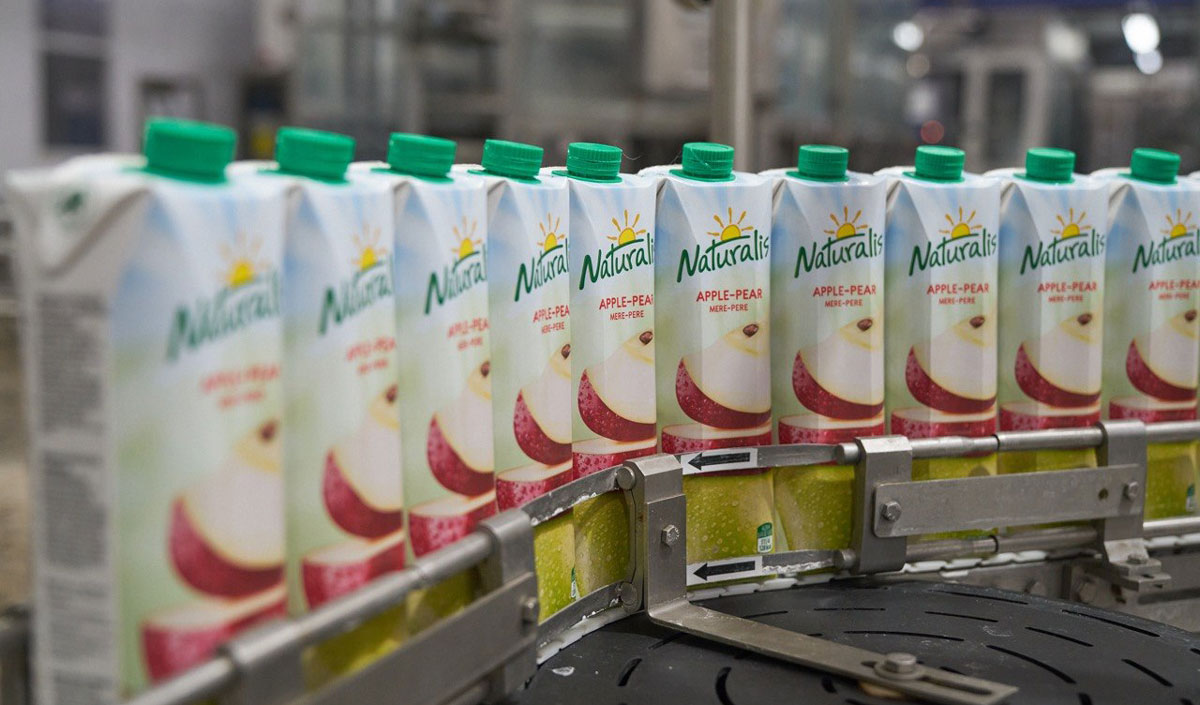
Ecodesign refers to the requirements imposed on a product at the design stage: its service life, ease of repair, availability of spare parts, energy and water consumption, content of hazardous substances, proportion of recycled materials and ease of disassembly. A product that does not comply with these requirements may not be placed on the market or put into service.
Exceptions include foodstuffs, animal feed, medicinal products for humans and animals, live plants and animals, products of human origin, and vehicles, for which there is a separate approval regime.
The law will also introduce the concept of a digital product passport.
This is an electronic document linked to the product via a data carrier – typically a QR code, barcode or chip – as well as a permanent unique identifier. It will contain the following information: composition, hazardous substances, energy efficiency, repair instructions, spare parts and disposal methods.
The draft has passed all the necessary approvals and is being prepared for submission to the government for approval.
This story was translated with the assistance of artificial intelligence.The translation was also reviewed by the Logos Press editorial team.
Follow our updates
Have information for the newsroom? Share it with Logos-Press





















Comments
0No comments yet. You can start the conversation.
Comments are open to readers with a Logos Press account.
Sign in to comment