

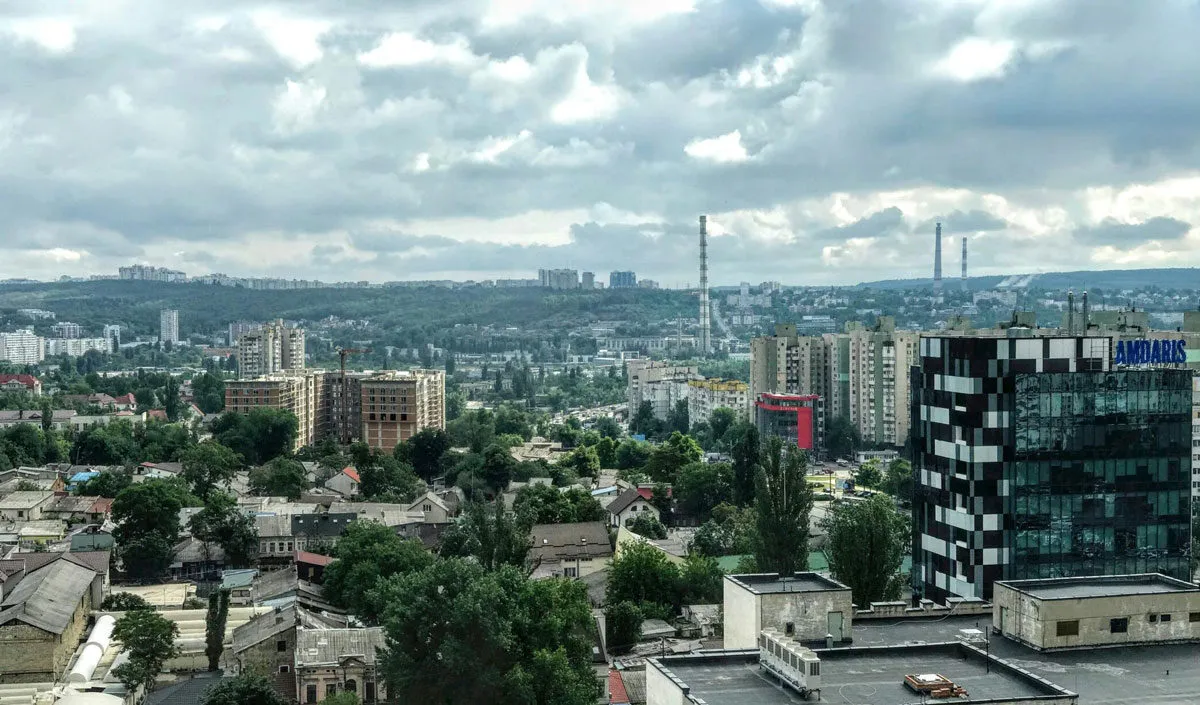
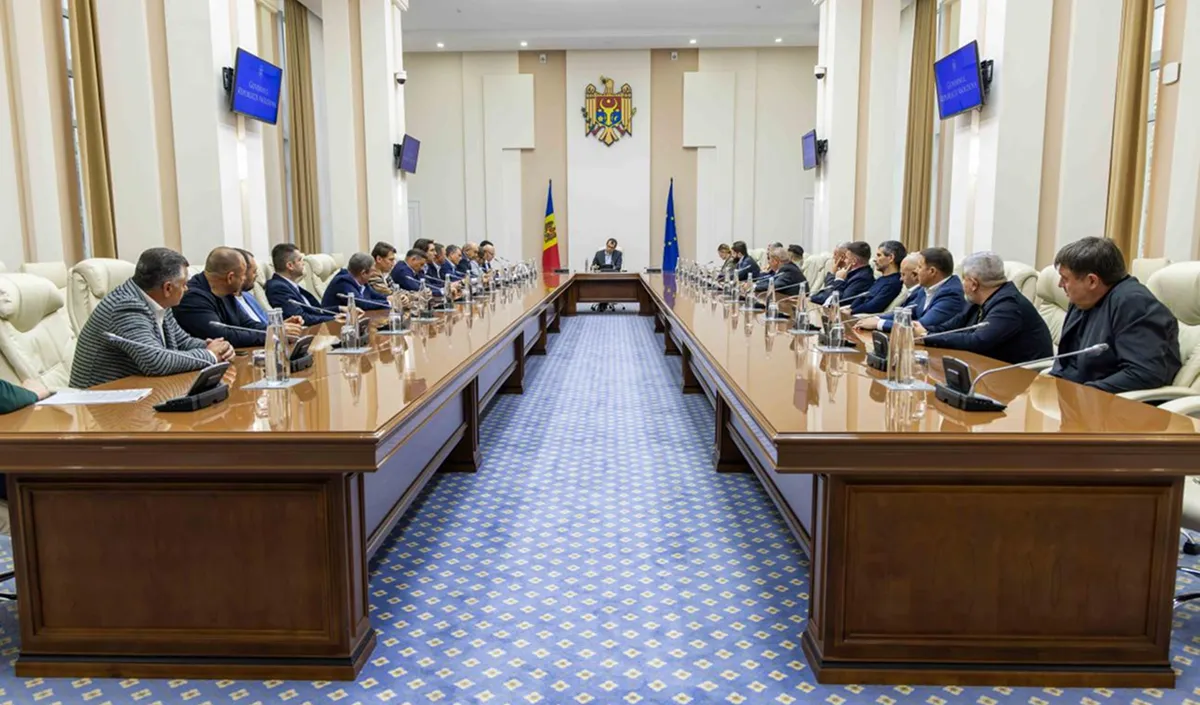
These conclusions are drawn from the report by the Commission of Inquiry into the Activities of State-Owned Enterprises, submitted to Parliament on 5 October 2026.
According to the Public Heritage Register, as at 1 January 2025, the state owned 5,721 plots of land with a book value of approximately 32.9 billion lei, as well as 4,231 buildings and premises worth around 2 billion lei.
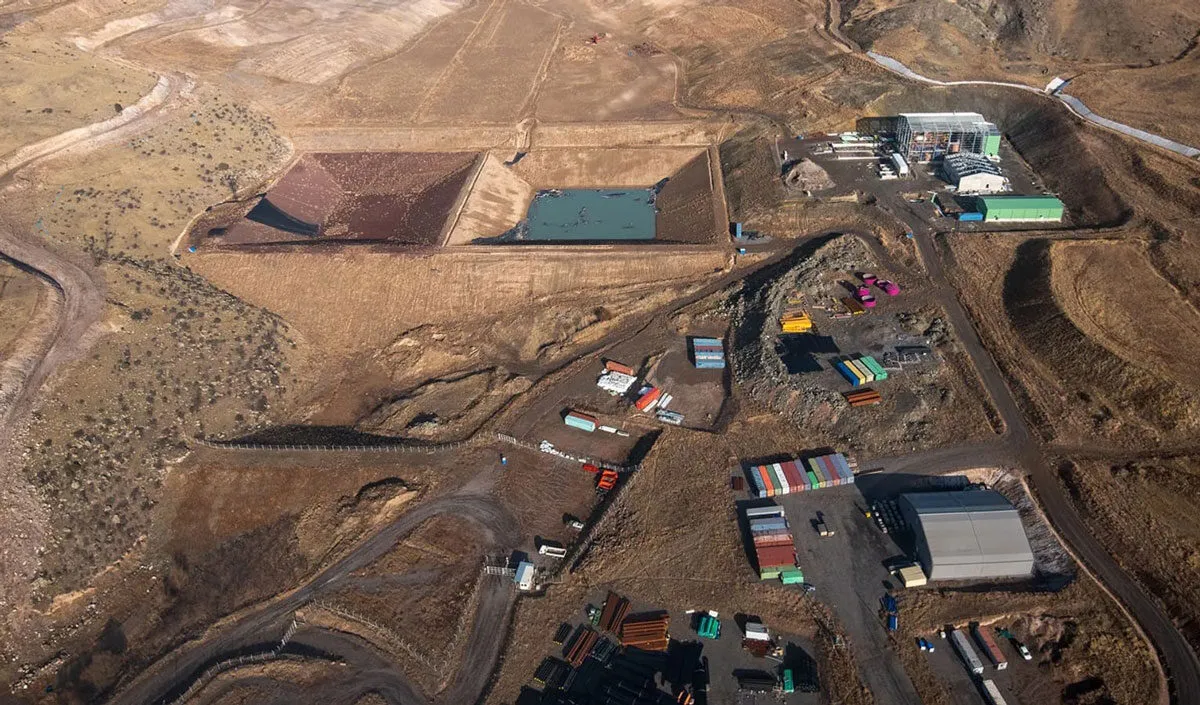
However, behind these impressive figures lies what experts refer to as ‘blind’ management. Private developments are being erected on a massive scale on state-owned land, of which the relevant authorities are completely unaware. As a result, no fees for the use of this land are being paid into the budget.
The scale of the problem is staggering: across all state-owned plots where private buildings have been constructed, only 12 lease agreements have been registered. On land belonging to the State Road Administration alone, 137 private buildings have been identified, the owners of which pay not a single leu to the state.
Why has the reform failed?
The root of the problem lies in the complete failure of the large-scale reform to demarcate state property, as provided for by Law No. 29/2018. The authorities are still unable to clearly distinguish which land belongs to the public sector and which to the private sector, and who exactly manages it – central ministries or local councils.
The land registration and valuation project was intended to cover 619 of the country’s administrative-territorial units. However, by early 2025, work had been completed in only 89 of them. It is simply impossible to gauge real progress across the country at present, as the responsible authorities do not even have basic data on the exact number and total area of state assets.
Non-transparent revenues and free handouts
The activities of the Public Property Agency (APP) in this area remain as secretive as possible. The agency’s latest official statistics stop at 2023. These figures show that the rental and leasing of 60 plots with a total area of 2,200 hectares brought a modest 15.7 million lei into the treasury. Meanwhile, a further 69 plots, which are almost twice as large (around 4,000 hectares), were transferred to third parties entirely free of charge — for use without payment (commodatum).
Experts warn that as long as Moldova’s assets, worth billions, remain ‘dead capital’ without legal or cadastral registration, state-owned land will continue to serve as a source of enrichment for the shadow economy, depriving the budget of funds for roads, schools and healthcare.
What is the commission proposing?
The commission proposes half-yearly reports on the progress of the initial demarcation of boundaries by district and asset category, and the establishment of clear monitoring indicators – something that has long been proposed.
At the same time, it is necessary to accelerate and ensure transparency in the capitalisation of state-owned land and buildings: a full transition within 12 months to electronic auctions and the publication of revenue figures for each instrument, as proposed by the Commission, as well as the resumption of regular publication of APP statistics on property capitalisation.
The success of the state asset management reform as a whole depends on the extent to which this ‘grey area’ is brought to light.
This story was translated with the assistance of artificial intelligence.The translation was also reviewed by the Logos Press editorial team.
Follow our updates
Have information for the newsroom? Share it with Logos-Press







Comments
0No comments yet. You can start the conversation.
Comments are open to readers with a Logos Press account.
Sign in to comment