

As part of the project, 47 buildings will be renovated: 24 teaching blocks, including workshops and laboratories, and 23 halls of residence. In 15 institutions, both the teaching facilities and the halls of residence will be modernised, whilst in a further 10, the halls of residence will undergo major renovation.
Over 21,000 students are enrolled at these 25 institutions, representing approximately 40 per cent of all students in the country’s technical and vocational education system. Eleven institutions are located in Chișinău, whilst the remaining 14 are in other towns.
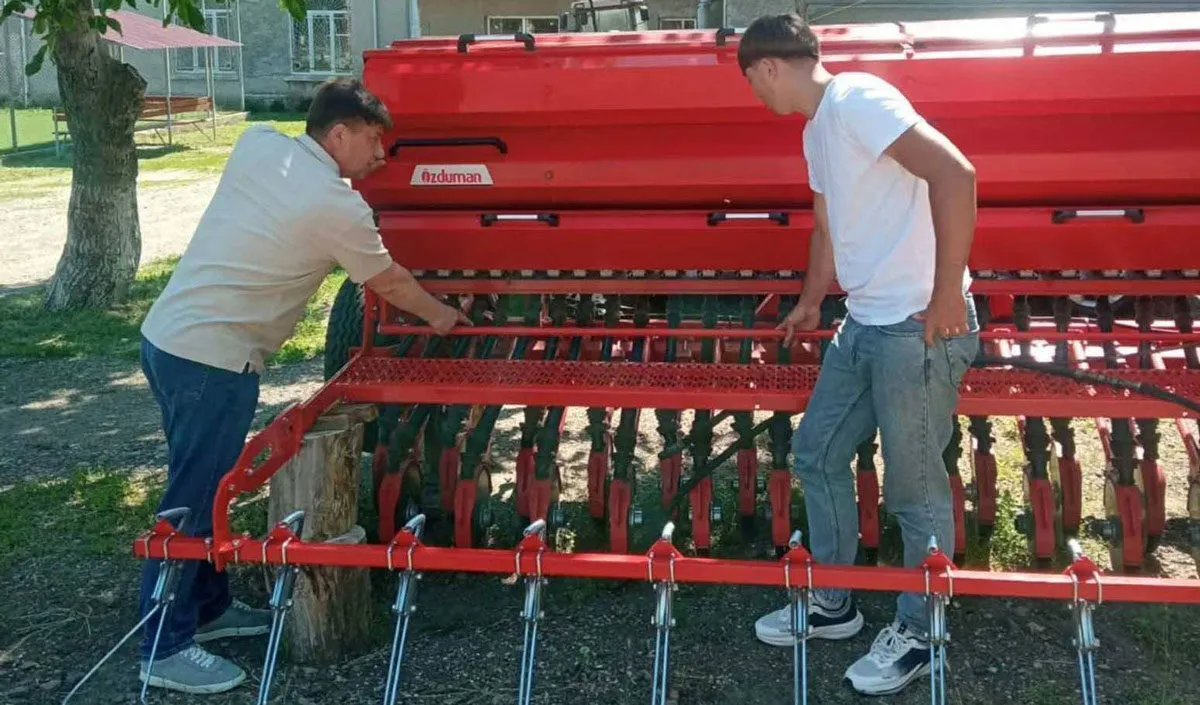
The investment will enable the modernisation of equipment for the practical training of specialists in the fields of agriculture and agri-food processing, construction, energy, and information and communications technology. The project also aims to improve sanitary conditions and safety in halls of residence, increase the energy efficiency of buildings and ensure accessibility for people with disabilities.
The funding package includes a loan of 33 million euros from the Council of Europe Development Bank, a grant of 7 million euros through the Neighbourhood Investment Platform, and a contribution of 40 million euros from the Republic of Moldova through the Reform and Growth Mechanism.
The project will be coordinated by the Ministry of Education and Research. Technical and financial management, procurement and supervision of the works will be carried out by the National Office for Infrastructure Development ‘Moldova-Proiect’.
There are currently 79 technical and vocational education institutions operating in the Republic of Moldova: 32 vocational schools, 34 colleges and 13 centres of excellence. In total, these institutions have around 50,000 students.
This story was translated with the assistance of artificial intelligence.The translation was also reviewed by the Logos Press editorial team.
Follow our updates
Have information for the newsroom? Share it with Logos-Press





















Comments
0No comments yet. You can start the conversation.
Comments are open to readers with a Logos Press account.
Sign in to comment