

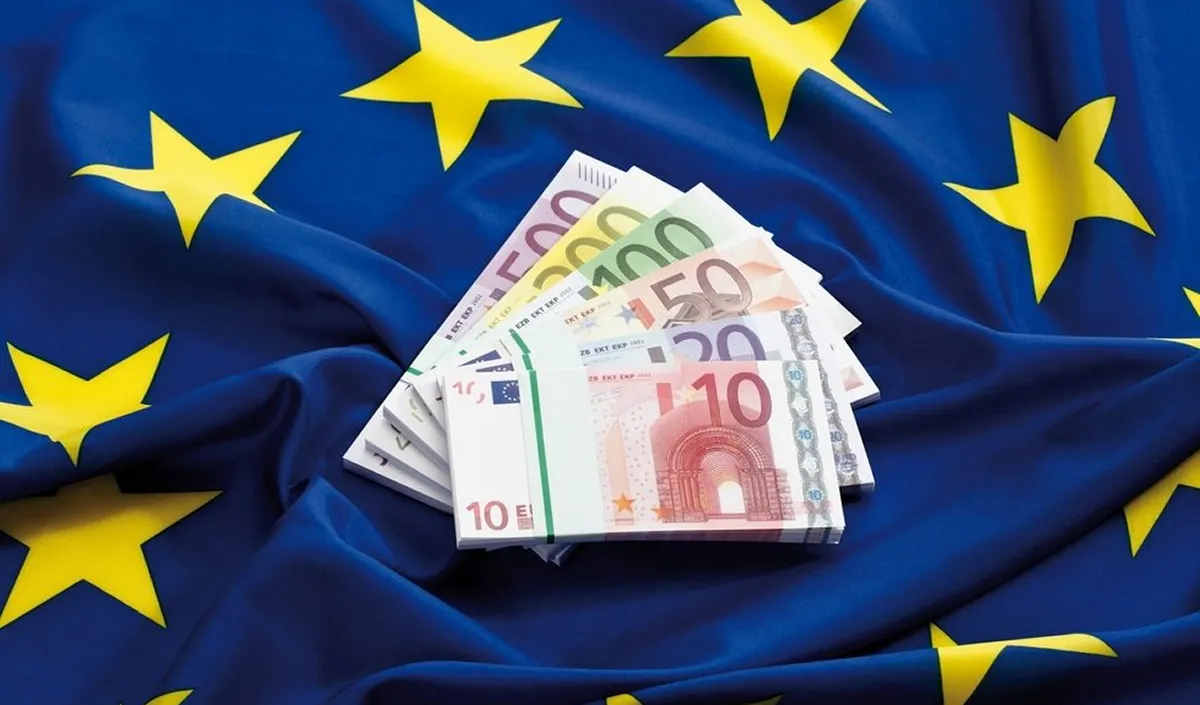
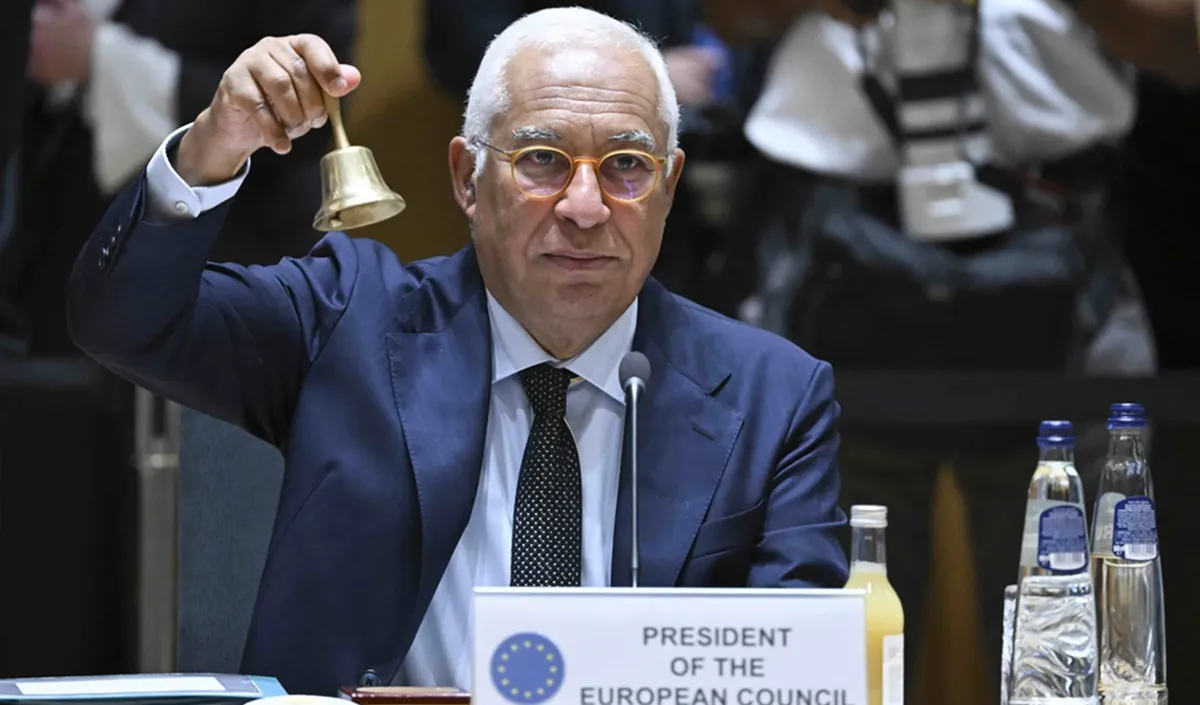
This is reported by the French newspaper Le Monde. “If you do not approve the budget by the end of the year, it will be impossible to implement it from 1 January 2028,” the publication quotes European Council President António Costa as saying ahead of the meeting of EU leaders in Brussels on 15–16 October to discuss the seven-year budget.
However, the warning fell on deaf ears. As reported by Logos Press, the seven-year budget of €1.76 trillion proposed by the European Commission was not agreed upon. The leaders’ disappointment was so great that they cancelled the traditional post-summit press conference.
German Chancellor Friedrich Merz made no secret of his disappointment and concern. According to Le Monde, he demanded that an agreement be reached “by the end of the year, even though positions within the European Union are currently very far apart”. The Chancellor emphasised that this is not only possible but also necessary. He remarked that, in order to adopt the EU budget, the leaders would be forced to ‘take more spare shirts with them to the Council meeting in December than usual’.
The political map of Europe is changing
The German Chancellor understands the risks facing the new seven-year EU budget better than anyone else. Merz’s approval ratings at home are extremely low, and his position is precarious both as head of the German government and within his own party. His party’s stinging defeats in several regional elections have sparked serious discussions about replacing the party leader and the unpopular Chancellor.
It is therefore no coincidence that it is Merz who is leading the ‘frugal’ countries, which are pushing for a cut in the EU budget of ‘several hundred billion euros’ and are opposed to introducing new taxes, notes the French publication. At the same time, Merz is among the most ardent supporters of continued financial support for Ukraine from the European Union, including through the funds provided for in the new seven-year budget. Among other European leaders, however, there are fewer and fewer such ‘enthusiasts’. And some of the old ‘Euro-elite’ may well find themselves out of the picture altogether as a result of a series of elections across Europe, notes Le Monde.
The European Commission and the leaders of the major countries are striving to reach a compromise by Christmas solely because the balance of power in Europe is changing rapidly, the publication emphasises. In Germany, Merz is under pressure from the far-right ‘Alternative for Germany’; elections will be held in Spain on 29 November, and throughout 2027 in France, Greece, Italy and Poland. “That is why many leaders need to approve the new budget as soon as possible, before opponents of the European Union come to power in a number of countries,” states Le Monde.
Not everyone agrees with the rush
However, despite this electoral risk, “Sweden cannot rush into agreeing to a compromise that it considers a failure,” objects Swedish Prime Minister Ulf Kristersson. He points out: “Elections are held all the time in Europe. We have already held ours, and there will be plenty of elections in both 2027 and 2028. So, in my view, this argument does not hold water.”
Speaking in the Senate on 14 October, the Italian Prime Minister, Giorgia Meloni, in turn, assured that she was not opposed to an agreement by the end of the year, “but deadlines cannot take precedence over substance. We will not sign an agreement that does not serve Italy’s interests simply to meet a deadline. We will only sign it if it is in Italy’s interests.”
Marine Le Pen, leader of the ‘National Rally’ and the frontrunner in the election race, who visited Brussels this week, also called for the seven-year EU budget not to be adopted before the French elections.
This story was translated with the assistance of artificial intelligence.The translation was also reviewed by the Logos Press editorial team.
Follow our updates
Have information for the newsroom? Share it with Logos-Press













Comments
0No comments yet. You can start the conversation.
Comments are open to readers with a Logos Press account.
Sign in to comment