

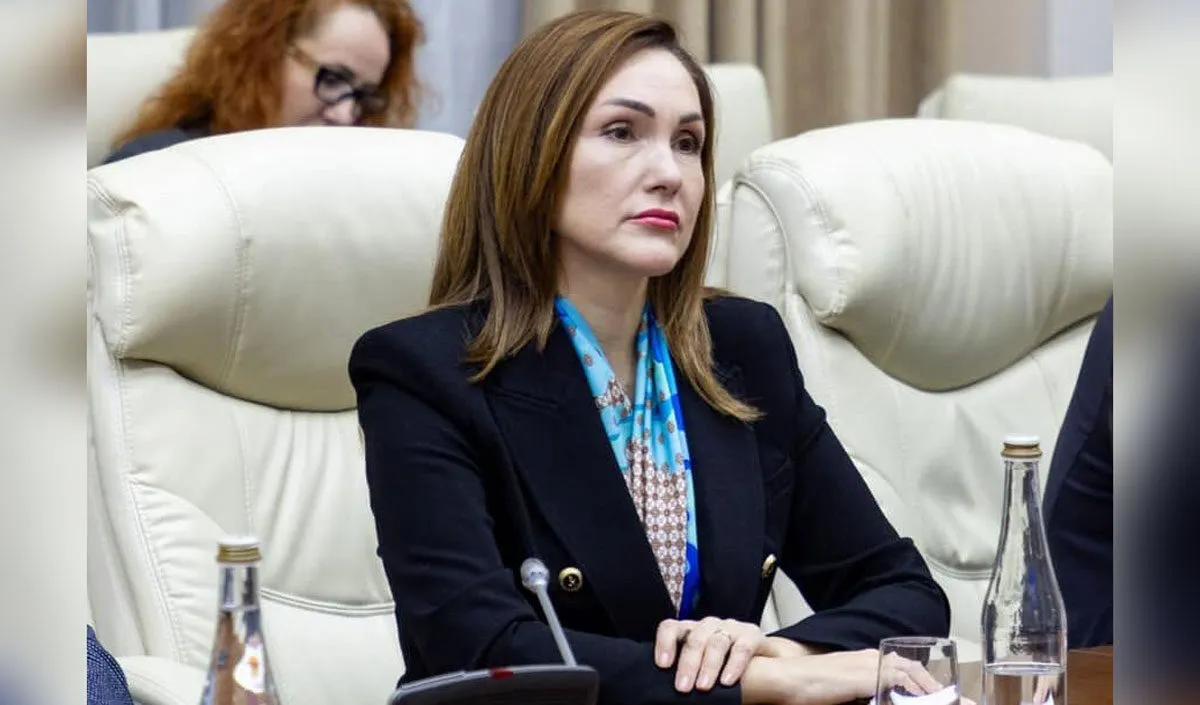
Ana Groza
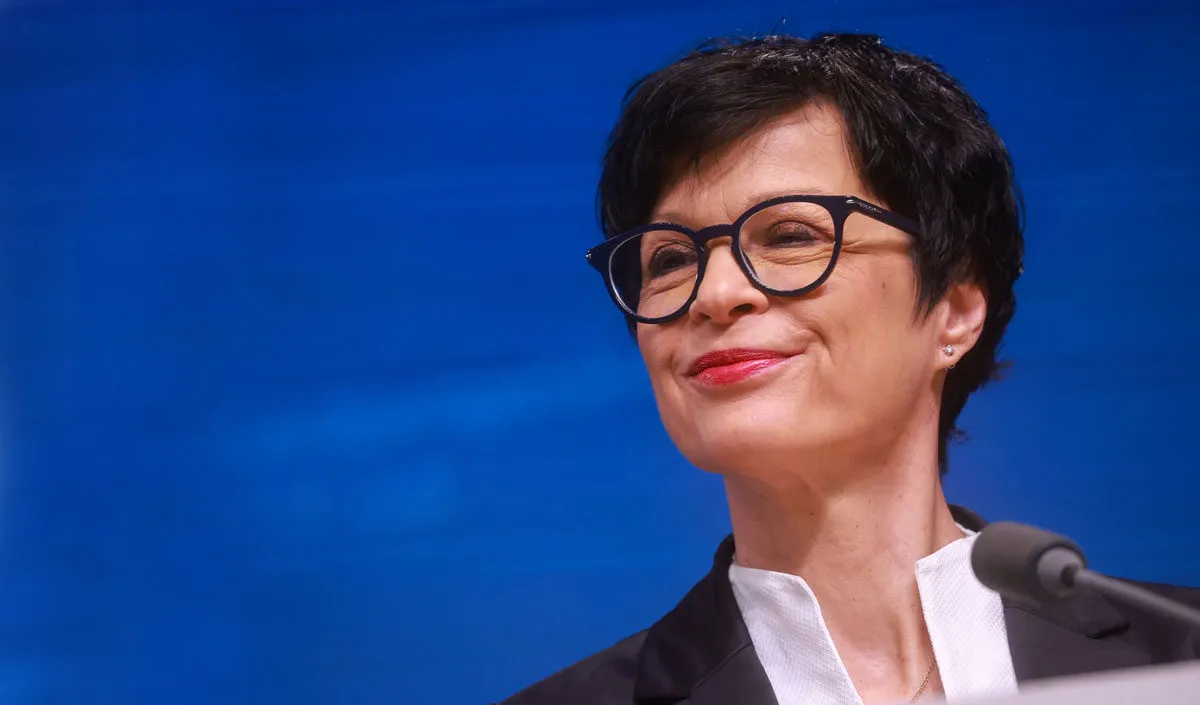
Ana Groza, president of the National Confederation of Employers of the Republic of Moldova, stated that the discussions initially stemmed from the European recommendation that the minimum wage should represent 50 per cent of the average wage, which would amount to approximately 8,700 lei.
“However, given the economic realities, we decided that this was too steep an increase, and after discussing and analysing the actual economic situation of the Confederation’s members, I was authorised to sign this bilateral agreement setting the minimum wage at 7,600 lei,” Ana Groza explained on TVR Moldova.
7,600 lei represents a compromise…
According to her, the views of the 30 members of the National Employers’ Confederation varied, ranging from calls to keep the minimum wage at its current level to proposals for a substantial increase.
“Opinions were divided, ranging from ‘please leave it at 6,300 lei’ to ‘we’re fine with either 10,000 or 12,000’. So we even drew up a summary report, calculated an average and a median, to find a way to accommodate both employers – those who can afford to increase this wage and those who are currently in a crisis or facing an economic impasse – whilst taking into account the realities and multiple crises in the region,” said the president of the Employers’ Confederation.
Another aim of the increase is to reduce undeclared work and combat unfair competition.
“Furthermore, another aim we are pursuing is to bring the economy into the open, to encourage businesses to declare wages accurately and to increase them so that, as I have already said, we can combat the shadow economy and unfair competition,” emphasised Ana Groza.
…and a regulatory framework
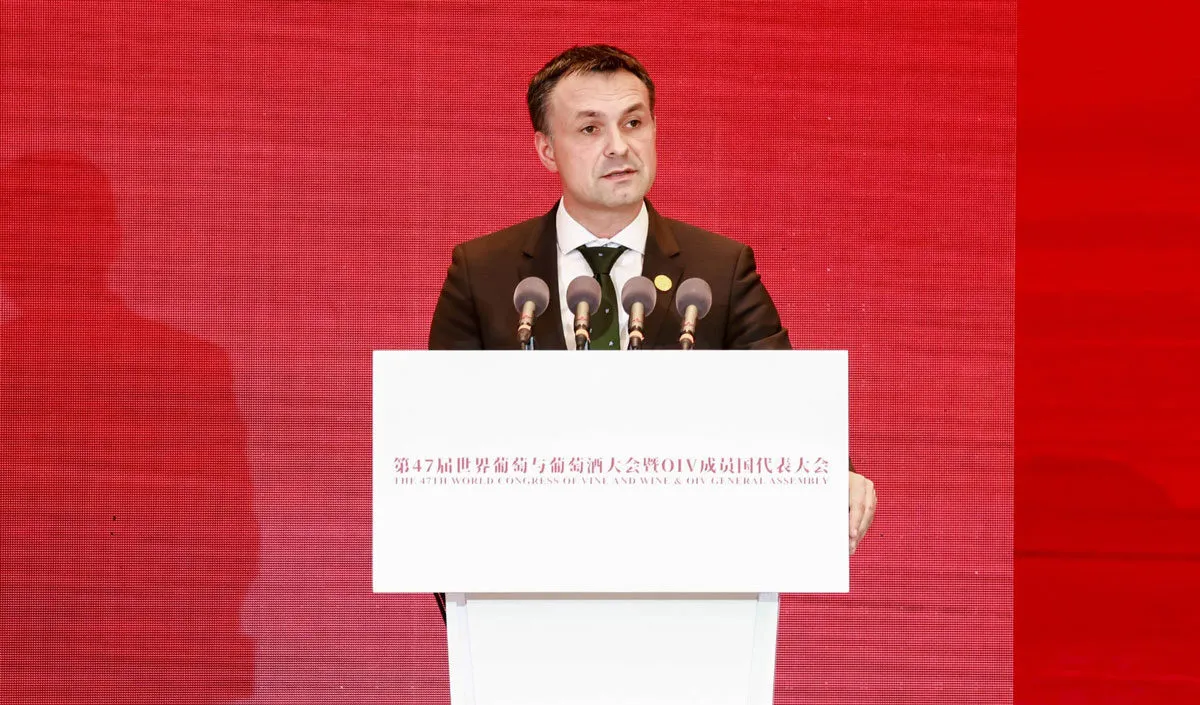
For his part, Sergiu Sainciuc, Vice-President of the National Confederation of Trade Unions of Moldova, noted that the minimum wage also has a social role and that it must be predictable.
“We insist, on both sides, that this amount be set and that employers know it in advance; it should not be set in December, as has happened in previous years, but that there should be predictability, as we have agreed, together with our partners from the National Confederation of Employers”, said Sergiu Sainciuc.
“In fact, this minimum wage of 7,600 lei proposed by the trade unions and employers’ organisations for next year is a social standard for the reproduction of the workforce,” he added.
It should be noted in this context that the Ministry of Labour and Social Protection has initiated the drafting of a bill to set the national minimum wage for next year. To this end, the ministry is accepting proposals from interested parties until 22 October 2026.
According to the joint position of the trade unions and employers’ organisations, this should be 7,600 lei for a full working week of 169 hours per month.
This story was translated with the assistance of artificial intelligence.The translation was also reviewed by the Logos Press editorial team.
Follow our updates
Have information for the newsroom? Share it with Logos-Press













Comments
0No comments yet. You can start the conversation.
Comments are open to readers with a Logos Press account.
Sign in to comment