

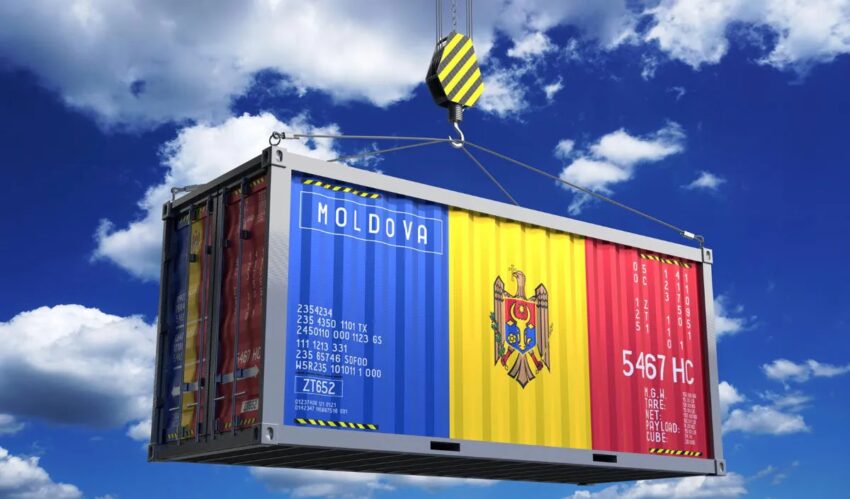
Overall, in January–August 2026, exports of goods totalled 2,239.4 million euros, which is 9.3 per cent higher than in the corresponding period of 2025.
Exports of goods from Moldova had been falling for two and a half years – from 2023 to mid-2025. Then, in July last year, they began to rise, mainly driven by agricultural produce, and continued to increase year-on-year throughout the year. August marked exactly one year since the start of this recovery. Consequently, the effect of the low base began to fade, although the annual figures remain in positive territory for the time being.
The August decline can therefore be partly explained by the low base. But only partly – the difference between this year’s July and August figures is simply too great.
Alongside exports of domestically produced goods, re-exports are also declining.
Exports of domestically produced goods in January–August 2026 amounted to 1,795.3 million euros (80.2 per cent of total exports). This is 12.8 per cent higher than in the same period of 2025. This figure exceeds the overall export growth rate for the period under review (9.3 per cent).
Accordingly, re-exports of foreign goods over the first eight months of 2026 totalled 444.1 million euros (19.8 per cent of total exports), which is 2.9 per cent less than in the corresponding period of 2025. The share of foreign goods re-exported after substantial processing accounted for 14 per cent of total exports, whilst traditional re-exports of foreign goods accounted for 5.8 per cent.
Reasons for the fall in exports
In the export structure from January to August 2026, the following groups of goods accounted for significant shares: oilseeds and fruit (15.6 per cent of total exports); electrical equipment, electrical machinery and parts thereof (13.8 per cent); cereals and cereal products (12.1 per cent); vegetables and fruit (10.8 per cent); clothing and accessories (7.7 per cent); alcoholic and non-alcoholic beverages (5.2 per cent); furniture and parts thereof (3.4 per cent); metal ores and scrap metal (2.9 per cent); articles made from non-metallic minerals (2.6 per cent); vegetable fats and oils (2.5 per cent); crude oil, petroleum products and associated products (2 per cent).
The decline is attributable to a reduction in exports in the categories ‘Other goods’; electrical equipment and electrical engineering products and their parts (cables and transformers); alcoholic and non-alcoholic beverages; and furniture and its parts.
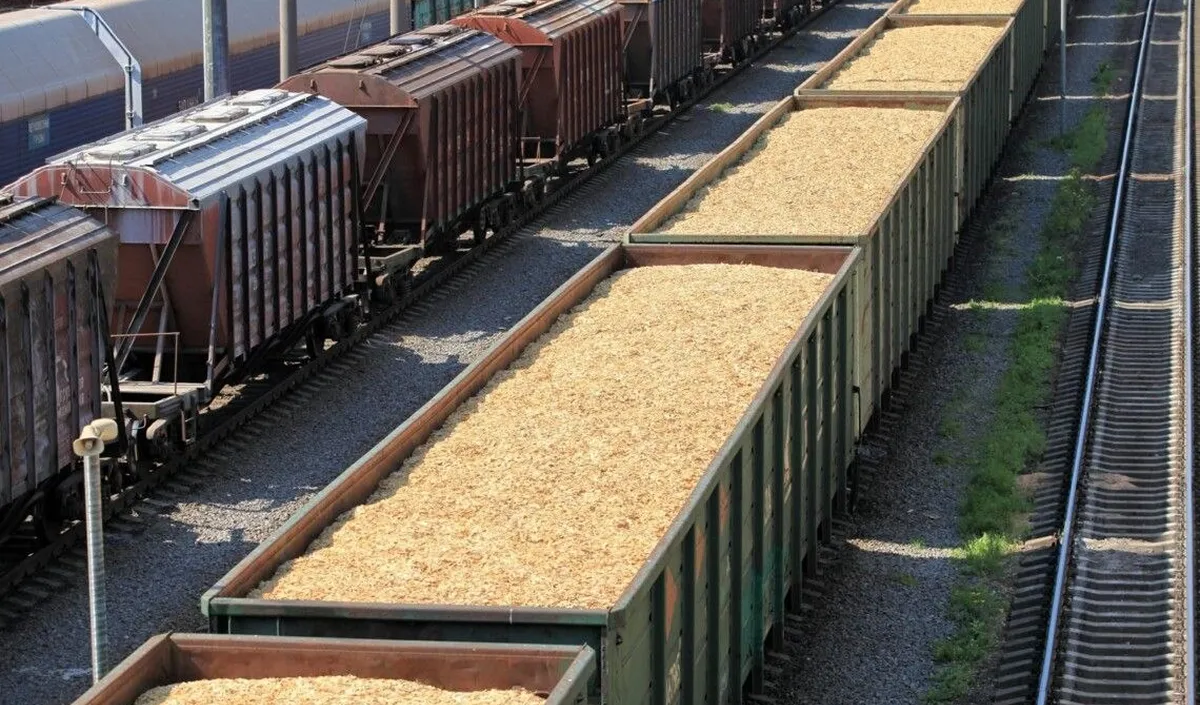
In other words, growth was recorded in the categories of agricultural raw materials (grain, sunflower seeds, fruit and vegetables) compared with the corresponding period last year. It is simply that the range of exported products has narrowed, and a decline in industrial goods has been recorded. This suggests that Moldova is increasingly becoming a country that exports unprocessed agricultural goods – that is, agricultural produce with low added value.
A year ago, cable products dominated the export mix, accounting for 16 per cent. Oilseeds and fruit accounted for 14 per cent. Cereal products accounted for just 8.9 per cent.
However, vegetable oils were completely absent from the top export categories – alongside wines, the only product with high added value. This year, Trans Oil and Co accounted for 2.5 per cent of the total. Meanwhile, the share of alcoholic and non-alcoholic beverages fell from 6.4 per cent over the first eight months of last year to 5.2 per cent over the same period this year.
Commenting on the growth in agricultural exports and the decline in the share of processed goods, economist Vladimir Golovatyuk noted: “The increase in exports is not the result of an economic recovery or the recovery of its export-oriented sector, but is due to the favourable conditions of 2025, which have had a positive impact on agricultural output.”
“Moldova has turned from a ‘blooming garden’ into a large dining room, where all ready-made and/or semi-finished products are imported,” added the expert.
Imports on the rise
In the first eight months of 2026, the Republic of Moldova imported goods worth 6.66 billion euros, whilst exports totalled just 2.24 billion euros. Consequently, the trade deficit reached 4.42 billion euros.
This is more than €250 million higher than in the same period last year. Although exports increased by 9.3 per cent and imports by 7.1 per cent, these growth rates proved insufficient to reduce the trade imbalance.
At the same time, the trade deficit increased by more than €300 million, or almost 8 per cent, compared with the same period last year.
This story was translated with the assistance of artificial intelligence.The translation was also reviewed by the Logos Press editorial team.
Follow our updates
Have information for the newsroom? Share it with Logos-Press
















Comments
0No comments yet. You can start the conversation.
Comments are open to readers with a Logos Press account.
Sign in to comment