



However, the expert community urges us not to be misled by the Ministry of Education and Science’s grandiose reports. Behind the impressive growth figures and European grants lie a systemic crisis, a critical shortage of staff and a deep divide between academic institutions and the real economy. The reports marking International Science Day so far resemble an attempt to pass off wishful thinking as reality.
Millions on paper and real-world inflation
The state has increased institutional funding for scientific organisations to 557.9 million lei. Furthermore, in 2026, 9.25 million euros were allocated by the World Bank for 11 projects to modernise the scientific infrastructure of universities. A further 9.67 million lei was allocated from the state budget.
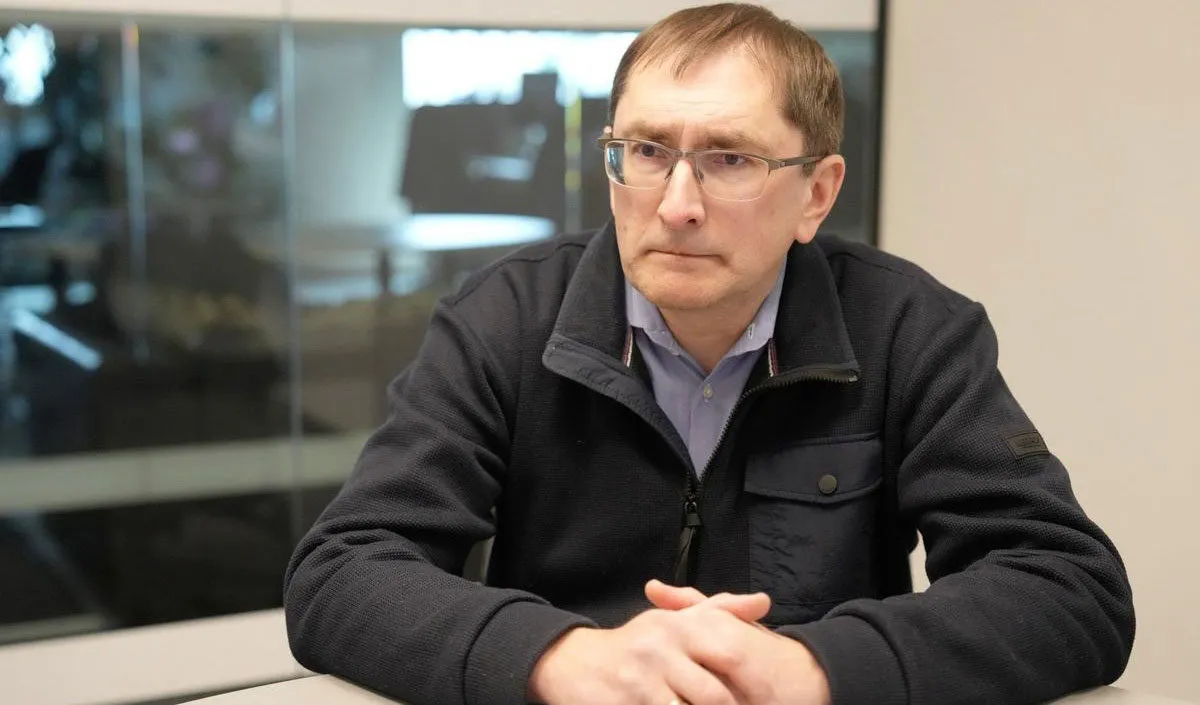
Viacheslav Ionita, an expert on economic policy:
“A 27 per cent increase in the budget only looks impressive when taken out of context. If we adjust these figures to account for the inflation and rising energy costs accumulated over recent years, it turns out that we have barely managed to cover basic expenditure.
For a long time, Moldovan science has suffered from chronic underfunding, so 11 modernisation projects for the whole country are a drop in the ocean. Dozens of laboratories in regional and capital universities are still equipped with Soviet-era equipment. The transition to new rules for allocating funds based on the ‘compensatory’ principle risks leaving fundamental disciplines—which, though weak, are strategically important for Moldova—without any funding at all.”
A solution to the ‘brain drain’
The main problem facing our scientific community is an ageing workforce, experts say. Postgraduate students were leaving for the private sector or moving abroad, as it was impossible to make ends meet on the old scholarships – let alone pursue scientific research.
Recognising the problem, the relevant ministry has launched a scheme to provide long-term support for young scientists. In the 2026–2027 academic year, the state promises to fully fund 232 doctoral places, the report states.
The authorities have also approved five-year start-up grants for young researchers – 200,000 lei per person. However, the programme is designed for just 20 young scientists aged under 35 across the whole country. Meanwhile, the increased doctoral scholarships range from 4,610 to 6,915 lei per month.
Professor Sergiu Mustiață, holder of a habilitation degree: “Allocating grants for just 20 people across the whole republic is an act of desperation, not a systematic human resources policy. What are the remaining hundreds of young specialists to do? If we divide 200,000 lei over five years, we get a modest allowance of 3,300 lei a month. The maximum state scholarship for outstanding achievements, at 6,915 lei, does not even amount to half the average wage in the economy. Young scientists cannot support their families on this money. They will continue to move into the private sector or leave for the EU, where postgraduate students receive full salaries.”
Dead-end technology transfer offices
The era of ‘science for science’s sake’ is giving way to commercialisation worldwide. The ministry is also trying to ‘keep up’. For the period 2026–2028, 17 strategic projects have been selected to bridge the gap between science and business. Co-funding from the private sector has reached 15.52 million lei, and the ministry has approved regulations governing the operation of specialised technology transfer offices, according to the ministry’s report.
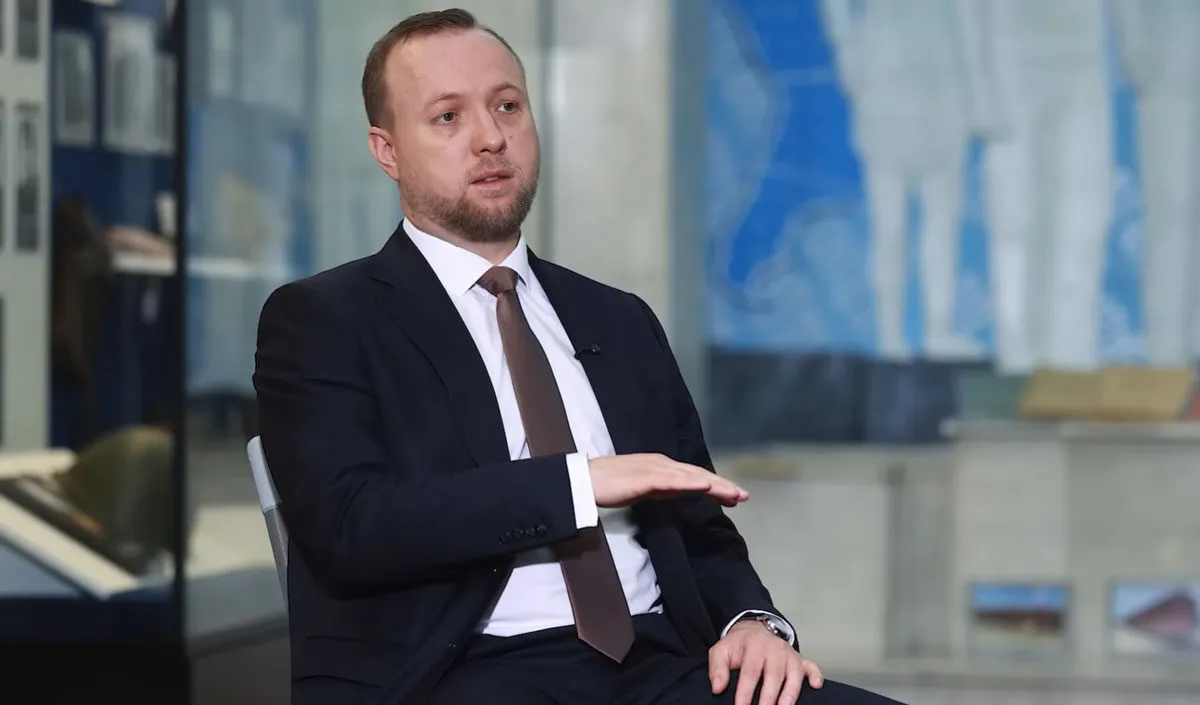
Viktor Ursu, market analyst and innovation consultant:
“A figure of 17 joint projects for the whole country is critically low. The vast majority of Moldovan businesses are not prepared to take a long-term view and fund scientific research, as they need a quick return here and now.
The technology transfer offices being set up by the ministry currently exist mainly on paper. They lack professional brokers and lawyers capable of protecting intellectual property or commercialising patents. Without tax incentives for companies implementing Moldovan technologies, this cooperation will remain a mere formality for reporting to donors.”
The illusion of European integration and a token audit
As part of the ReBRAIN 2025–2026 programme, support was provided for an initiative comprising ten joint projects involving researchers from nine countries where our scientific diaspora resides.
The results of the selection process include protocols and guidelines on health protection, biotechnological methods for plant conservation, solutions for assessing climate risks, as well as prototypes in the fields of advanced materials and photovoltaic technologies.
A total of €10 million has been allocated to bilateral projects with Romania, whilst the ‘Horizon 2030’ programme provides a further €5.63 million. To improve the quality of the evaluation of these projects, the authorities have increased payments to scientific reviewers fivefold and have also expanded the scope for engaging specialists from the private sector, abroad and the diaspora, according to the ministry.
Elena Groza, an expert in international grant management:
“The fact that 450 researchers have completed courses on writing applications for the ‘Horizon Europe’ programmes does not necessarily mean that Moldova will receive this funding. The approval rate for our applications in Brussels remains extremely low due to poor administrative preparation and the lack of funds at our institutions for the mandatory co-financing.
As for the fivefold increase in payments to reviewers — it’s the right move, but it’s long overdue. The pool of experts within the country is so small that everyone knows one another. Efforts to engage the diaspora through the ReBRAIN programme are stalling: world-renowned scientists from the US or Germany are reluctant to devote their time to Moldovan projects due to the enormous amount of red tape involved in processing the paperwork.”
European Commission: readiness ‘moderate to good’
In a report published in November by the European Commission, Moldova’s readiness in the field of science, research and innovation was officially rated as ‘between moderate and good’. EU experts in the field noted the country’s significant progress in harmonising legislation with European standards, integrating into the European Research Area and actively participating in the EU’s Horizon Europe framework programme.
Commenting on the assessment findings, the relevant minister, Dan Perchun, noted that the country’s authorities have set an ambitious target: to fully conclude negotiations on the ‘Education’ and ‘Science and Research’ chapters by 2027, achieving a stable ‘good’ rating.
A breakthrough in the Global Innovation Index (GII 2026)
According to the World Intellectual Property Organisation (WIPO), Moldova made a significant leap in October, climbing six places at once to 68th in the global innovation rankings. The country has once again returned to the prestigious group of nations whose innovation performance exceeds expectations given their level of economic development.
International analysts have highlighted two key features of the Moldovan ecosystem:
- High efficiency with modest resources: Moldova demonstrates a huge gap between inputs and outputs. Whilst ranking only 94th in the world in terms of the volume of resources invested (inputs), the country ranks a high 51st in terms of the quality and quantity of results produced (outputs). The main drivers of growth have been successes in the creative industries sector (50th place) and scientific and technological achievements (52nd place).
- Constraints: Experts identify a severe shortage of human capital (75th place), underdeveloped internal institutional infrastructure (95th place) and an extremely low level of business engagement in the technology sector (135th out of a possible 139) as the weak points of the national science sector.
External observers agree that the reforms launched by the Moldovan government in 2025–2026 — ranging from a fivefold increase in experts’ fees to targeted grants for young scientists and PhD students — are directly addressing the identified weaknesses. However, to consolidate this success, the republic must continue to drive closer ties between academic circles and the business world.
This story was translated with the assistance of artificial intelligence.The translation was also reviewed by the Logos Press editorial team.
Follow our updates
Have information for the newsroom? Share it with Logos-Press


















Comments
0No comments yet. You can start the conversation.
Comments are open to readers with a Logos Press account.
Sign in to comment