



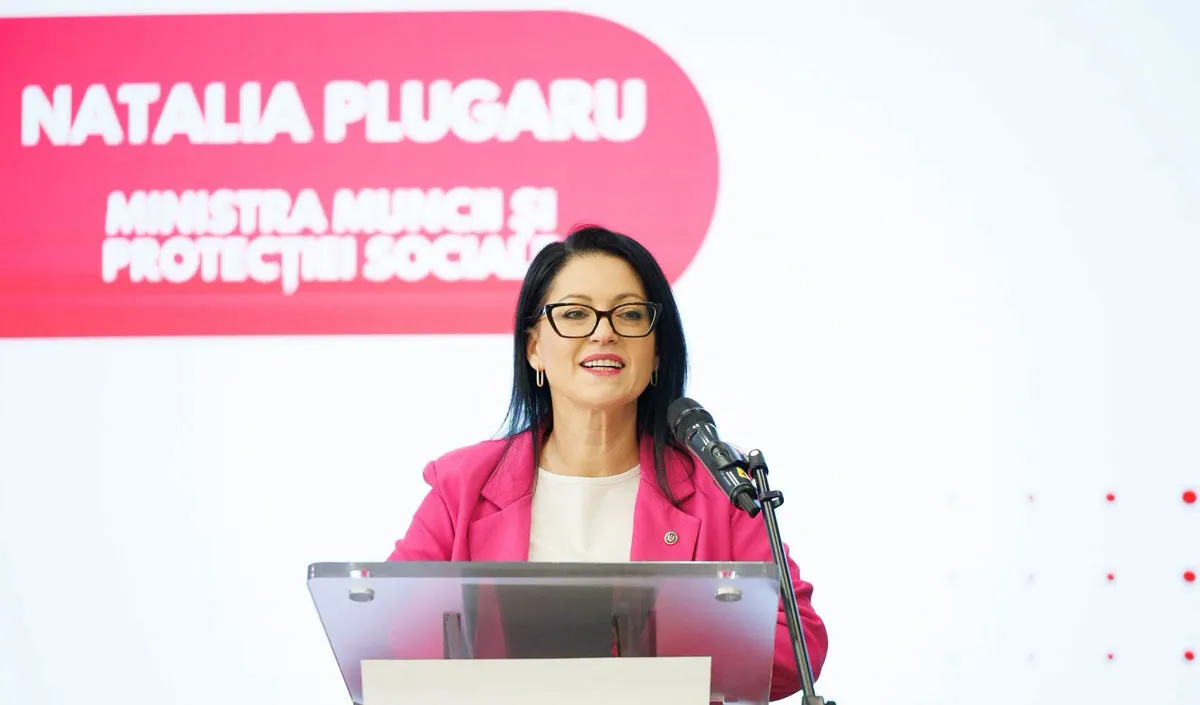
“We have 80,000 women aged between 25 and 45. This is the most productive age in professional terms, but they stay at home because of domestic responsibilities. These are lives that are, in a sense, going to waste, families without an income. The reasons vary: some are looking after a child, others an elderly person, and others a person with a disability. For the labour market, 80,000 is a significant number. On the one hand, we are working to expand childcare services so that women can return to work,” said the Minister for Labour and Social Protection, Natalia Plugaru, at the annual conference on the expansion of the EU.
According to the minister, the expansion of childcare services is also seen as an investment in economic growth, as it enables women to return to the labour market. Investment in childcare infrastructure is supported, amongst other things, by the European Union’s Growth Plan.
“Wherever I go to see where refurbishment work is taking place, there are already lists of women who want to return to the labour market. … The need is extremely great, and the desire to return is strong,” the minister reported.
Another challenge is the development of services for older people and those with disabilities. The lack of such services means that the responsibility for care falls on families, preventing women in particular from taking up employment or returning to work.
Measures to get young people and women into work form part of the National Employment Programme, which is currently being drawn up.
This story was translated with the assistance of artificial intelligence.The translation was also reviewed by the Logos Press editorial team.
Follow our updates
Have information for the newsroom? Share it with Logos-Press

























Comments
0No comments yet. You can start the conversation.
Comments are open to readers with a Logos Press account.
Sign in to comment