


Foto Jonathan Weiss/Shutterstock
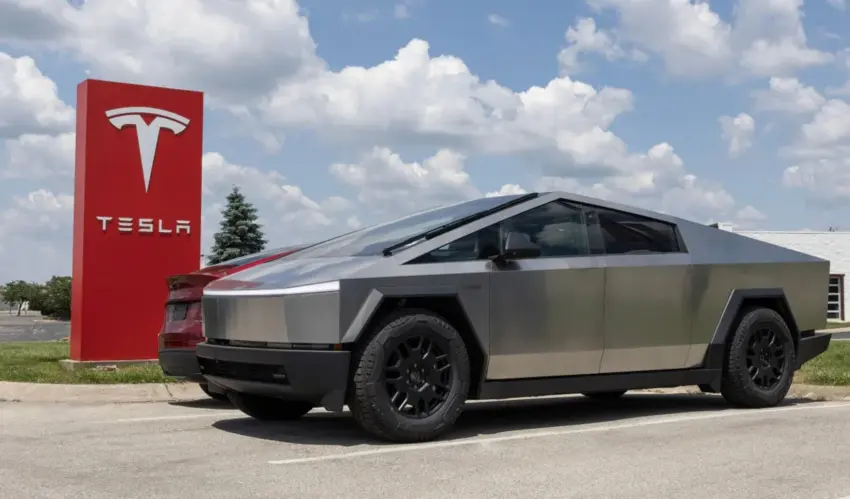
Tesla CEO Elon Musk has announced that the company will first ramp up Cybertruck production at its plant in Austin, Texas, to try to clear the backlog of orders, and then, tentatively in June–July, dismantle the assembly line, according to Reuters. The freed-up capacity is planned to be used for the production of the Cybercab robotaxi, which has not yet entered the commercial market.
The Cybertruck’s commercial performance has fallen far short of Musk’s ambitions. According to Motor Intelligence, Cybertruck sales in the US for January–September 2026 fell by 28 per cent, to approximately 11,600 vehicles. This is a far cry from Musk’s previous forecast, in which he had anticipated annual sales of 250,000 vehicles. Furthermore, in 2025, another of Musk’s companies, SpaceX, purchased Cybertrucks from Tesla with a total list price of $131 million, which also highlights the limited demand from ordinary buyers.
Expensive batteries versus practicality
The problem turned out not to lie solely with Tesla itself. General Motors, Ford and Stellantis have also faced difficulties in promoting electric versions of full-size pick-up trucks. Despite the long-standing popularity of petrol-powered models, they have failed to replicate their commercial success on an electric platform.
The reasons are high cost and limited functionality. Large pick-ups require high-capacity and expensive batteries, which drive up the price of the vehicle. At the same time, towing heavy trailers and transporting equipment reduce the driving range. As a result, the buyer pays more for a less versatile vehicle.
Ford has already abandoned the electric F-150 Lightning and switched to developing the more compact Fathom pick-up, which is scheduled to be unveiled in late 2027 with a starting price of $28,000.
Other manufacturers are seeking a compromise in hybrid technologies. Stellantis intends to launch an electric pick-up with an extended range, fitted with a petrol generator to recharge the battery.
It appears the industry is re-evaluating its initial strategy: rather than expensive electric behemoths, the market demands more affordable vehicles capable of performing the tasks typically associated with a pick-up.
This story was translated with the assistance of artificial intelligence.The translation was also reviewed by the Logos Press editorial team.
Follow our updates
Have information for the newsroom? Share it with Logos-Press























Comments
0No comments yet. You can start the conversation.
Comments are open to readers with a Logos Press account.
Sign in to comment