



Photo: Zakon.kz
The programme is a response to growing risks, particularly when using state and European funds. It establishes a systematic approach, enabling risks to be identified in advance, coordinating the actions of government departments and increasing transparency in the spending of funds.
Digitalisation and data sharing
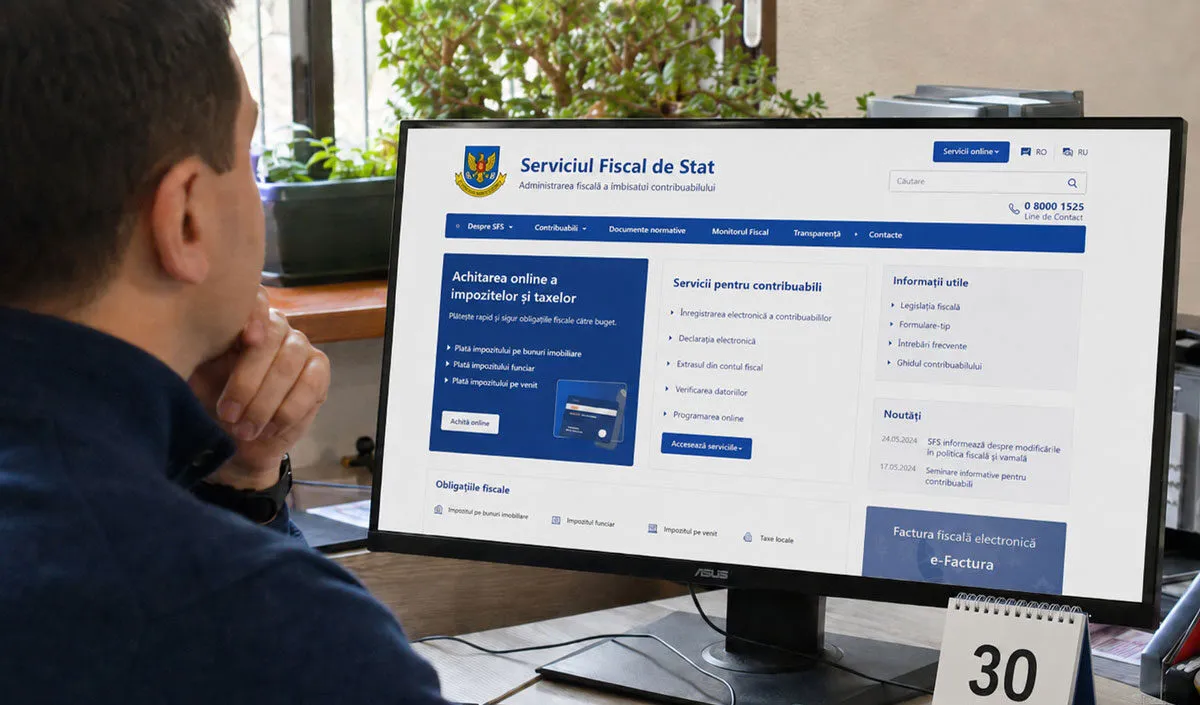
The main objective is to create a unified information system where government bodies, private companies and NGOs can exchange information about recipients of external aid and track violations. Currently, some of the data is processed manually or in disparate systems, which makes monitoring difficult. The system is scheduled to be launched in the final quarter of 2027. The State Financial Control Inspectorate will not only analyse data from government bodies but also monitor the media, social media and independent reports. If there are signs of violations, the Inspectorate will have the right to initiate an investigation on its own initiative. The relevant procedure is due to be approved by mid-2027.
In 2027, a register of government bodies will be established: they will report breaches electronically via the Incident Management System (IMS). Staff will be trained to use the system and to enter data on the results of criminal investigations into it.
Risk analysis and strategy
The Inspectorate will collect data annually on the progress of investigations, sanctions and recovered funds. Information will also have to be provided by the National Anti-Corruption Centre, the Prosecutor General’s Office, the State Tax Service and the Customs Service.
The programme aims to strengthen cooperation, including with the European Anti-Fraud Office (OLAF).
By mid-2028, the authorities intend to identify the areas posing the highest risks in the use of European funds. To this end, they will analyse data from various sectors, and the results will be taken into account when developing the relevant strategy. Funding for the programme is estimated at 9 million lei. Part of the funds (around 5.11 million lei) will be allocated to digitalisation, a further 3 million lei to training and awareness campaigns, and the remainder to improving procedures and revising regulations.
This story was translated with the assistance of artificial intelligence.The translation was also reviewed by the Logos Press editorial team.
Follow our updates
Have information for the newsroom? Share it with Logos-Press


















Comments
0No comments yet. You can start the conversation.
Comments are open to readers with a Logos Press account.
Sign in to comment