


Budget deadlock: Donors demand cuts
Negotiations on the seven-year financial framework for 2028–2034 remain at a standstill due to a deep rift between Member States. The European Commission had initially proposed an ambitious package totalling nearly €2 trillion. However, under pressure from key donor countries (primarily Germany), a compromise proposal—scaled back to €1.76 trillion—has been put forward for discussion.
The draft provides for a sharp increase in defence spending at the expense of cuts to traditional agricultural subsidies and support programmes for economically depressed regions. The ‘frugal four’ and their allies (Germany, Austria, Sweden, Denmark, the Netherlands and Finland) are insisting on strict austerity measures.
They are opposed by a coalition led by France, Spain and Poland, which is calling for an increase in the budget. Further pressure is being exerted by the European Parliament, which is categorically opposed to cuts to social and democratic programmes.
The situation is being exacerbated by the stance taken by Berlin and Amsterdam. According to the publication SMI / SB.by, Germany and the Netherlands have begun to directly link the allocation of a new €45 billion aid package for Ukraine to progress in the general budget negotiations, a move which has sparked protests from a number of other EU leaders.
The President of the European Council, António Costa, is insisting that the deal be finalised by the end of 2026 at the latest. Elections are due to take place in key EU countries in 2027, and a strengthening of Eurosceptic positions could completely paralyse the budgetary process.
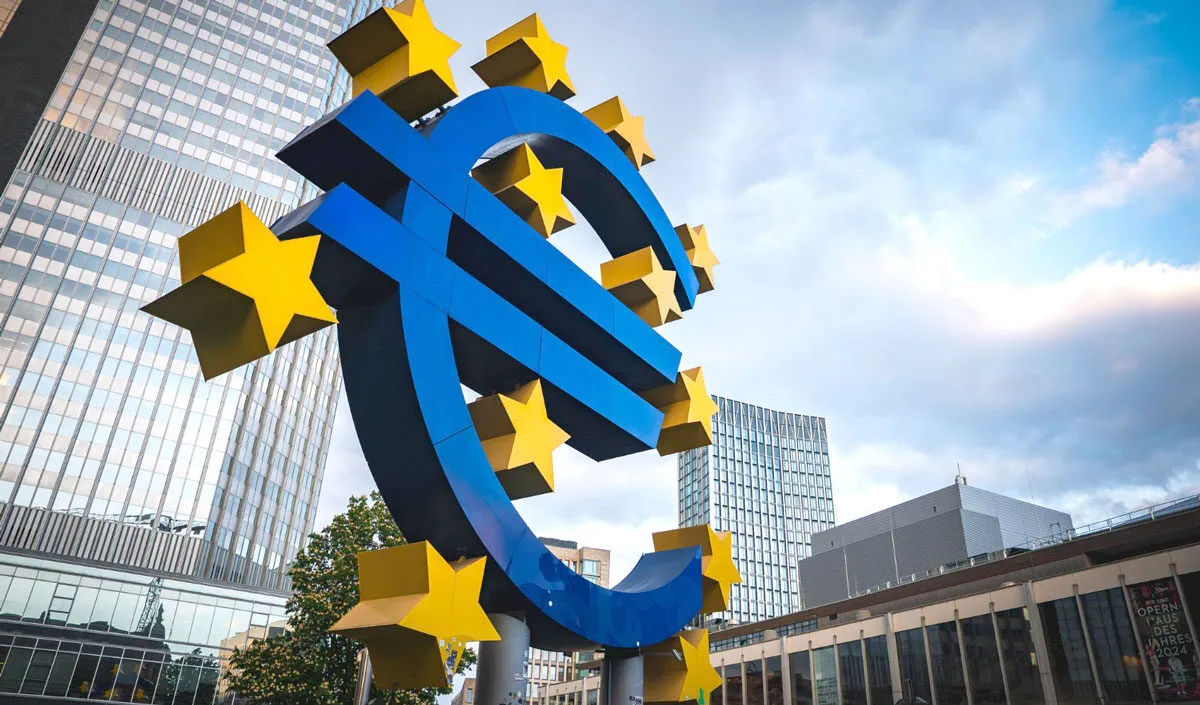
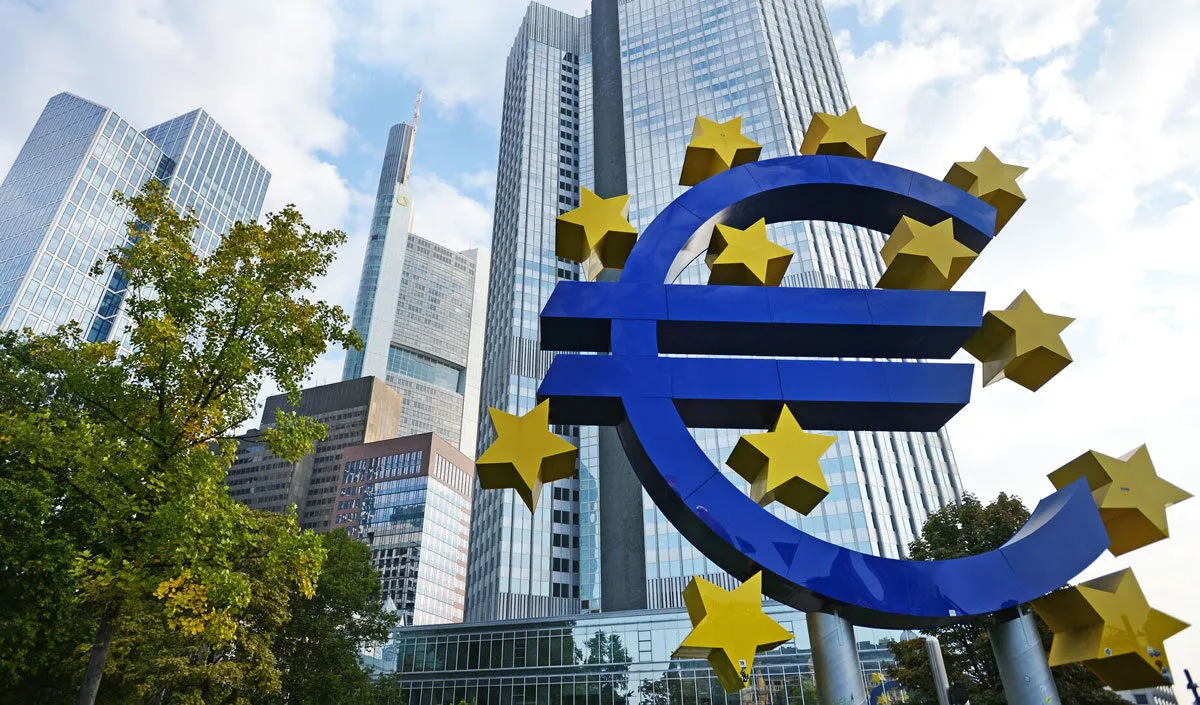
ECB President Election: A Two-Horse Race and a ‘Package Deal’
Meanwhile, in Brussels today, 9 November, the finance ministers of the eurozone countries (the Eurogroup) officially opened discussions on candidates for the post of ECB President. The procedure was launched urgently after the regulator’s current head, Christine Lagarde, announced on 29 October that she would be stepping down early, effective 7 February 2027.
According to an official press release on the Council of the EU (Consilium) website, only two candidates had been officially nominated by the 6 November deadline: Pablo Hernández de Cos and Klaas Knot.
Pablo Hernández de Cos (Spain) is the former governor of the Bank of Spain and currently heads the Bank for International Settlements (BIS). The Spanish side describes him as a “tried and tested figure who commands broad consensus”.
Klaas Knot (Netherlands) — former governor of the Dutch Central Bank, an advocate of a more hawkish monetary policy.
According to Reuters and the Malay Mail, the appointment of Lagarde’s successor will form part of a wide-ranging ‘package deal’. The fact is that two other key positions are becoming vacant at the ECB at the same time: German Isabel Schnabel is leaving the Executive Board (to join the IMF), whilst the term of office of the Chief Economist, Irishman Philip Lane, expires in May.
France, having lost Lagarde, has already staked a claim to the post of chief economist, whilst Germany is determined to retain Schnabel’s position. EU leaders will attempt to link all three appointments together to satisfy the ambitions of Paris, Berlin, Madrid and Amsterdam.
What next?
The political bargaining is shifting to the level of heads of state. The first informal discussions among leaders will take place at the summit on 13 November, after which negotiations will continue on 26–27 November.
Final approval of both the new long-term budget and the appointment of the ECB president is scheduled for the official European Council summit on 17–18 December 2026.
This story was translated with the assistance of artificial intelligence.The translation was also reviewed by the Logos Press editorial team.
Follow our updates
Have information for the newsroom? Share it with Logos-Press





















Comments
0No comments yet. You can start the conversation.
Comments are open to readers with a Logos Press account.
Sign in to comment