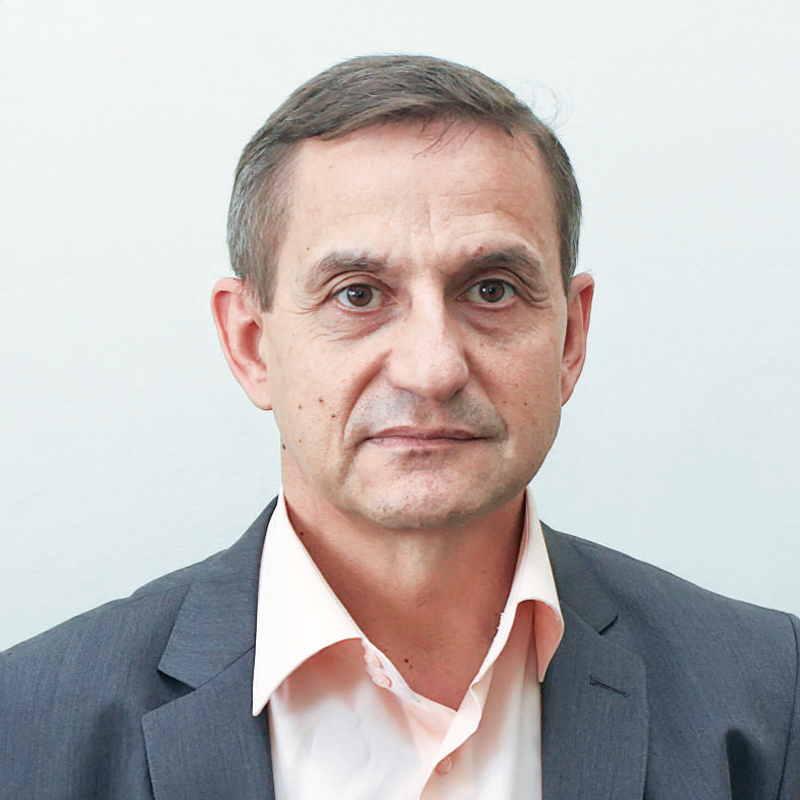

Latvian Prime Minister Andris Kulbergs expressed this position. According to Politico, Riga is proposing that the additional expenses incurred by countries on the eastern flank be taken into account when allocating funds under the EU budget for the next financial period.
This goes beyond direct defense spending. Latvia points to the broader economic impact felt by border regions and businesses due to geopolitical tensions, a decline in investment activity, and the need to develop additional security infrastructure.
According to Politico, the amount requested by the Latvian authorities will amount to nearly half of Latvia’s projected defense spending of €15.12 billion over the same seven-year period covered by the next EU budget.
Latvia’s Challenges Are Europe-Wide Challenges
The logic behind Latvia’s position is that defending the border with Russia and Belarus is not only a national task but also part of ensuring the security of the entire external border of the European Union.
The Latvian government has already enshrined in its action plan its intention to seek additional EU funding, taking into account the socioeconomic consequences of Russia’s war against Ukraine and the country’s special status as a state on the EU’s eastern border. Separate provisions are made to support the development of the eastern regions and strengthen their resilience.
In recent years, Latvia has allocated significant funds to the construction and technological upgrading of its eastern border. According to official data, infrastructure development along the border with Russia and Belarus includes fencing, surveillance systems, and other technological solutions.
The total funding for individual programs aimed at strengthening the external land border is estimated at hundreds of millions of euros, with part of the costs covered by the national budget. For the construction of the fence along the border with Belarus alone, the Latvian Ministry of the Interior requested approximately 60 million euros in funding in early 2024.
The issue goes beyond military spending
Riga’s proposal reflects a broader discussion about what the EU budget should look like after 2027.
Countries located on the eastern border of the EU and NATO face additional expenses related to security, infrastructure, and countering hybrid threats. At the same time, border regions may suffer the consequences of declining economic activity and reduced investment attractiveness.
Therefore, Latvia proposes that these costs be viewed not only as a national burden but also as a factor that should be taken into account when allocating pan-European funding.
Riga’s position is also linked to the call to accelerate the implementation of pan-European defense projects on the eastern flank. The Latvian government has previously stated the need to develop surveillance systems along the eastern border and projects to counter unmanned aerial vehicles.
For the EU, this discussion also has a financial dimension. The more funds are allocated to the security of the eastern border, the more acute the issue of balancing defense spending, cohesion policy, regional development, and other traditional areas of the European budget will become.
At the same time, the decision to allocate the funds requested by Latvia will depend on negotiations among member states and EU institutions regarding the next multiannual financial framework. Riga’s request alone does not yet guarantee automatic approval of the funding.
Follow our updates