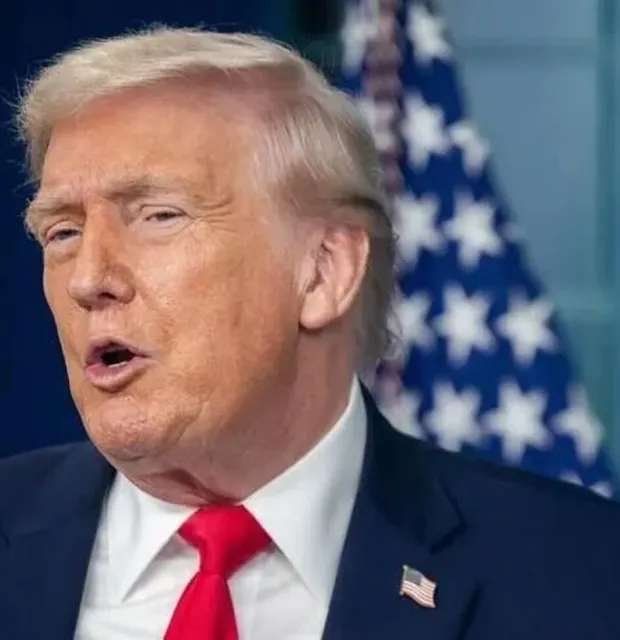

Donald Trump (Photo: Anna Moneymaker / Getty Images)
CNN reports that.
The publication notes that this is a serious condemnation of the actions of the US President and his approach to solving this conflict.
Democrats have repeatedly initiated a vote to limit Trump’s war powers in both the House of Representatives and the Senate – this campaign in recent weeks is gradually gaining more and more support among members of the Republican Party.
The document, known as a House-passed joint resolution, must be approved by both chambers but will not be sent to the president for his signature.
The vote was 215 to 208, with four Republicans crossing the floor in favor of the resolution.
It was the fourth attempt by the House of Representatives this year to pass such a resolution. Previous attempts (including one that ended in a 212-212 tie) failed. The resolution, based on the 1973 War Powers Act, would require Trump to withdraw U.S. troops from direct conflict with Iran without explicit congressional authorization.
On May 19, the U.S. Senate voted 50 to 47 to advance the resolution. Four Republican senators joined Democrats in this vote.
The fate of the resolution
The resolution will now go to the U.S. Senate. If the Senate gives it final approval, it will go to Donald Trump’s office. Trump is expected to veto the resolution. Overriding a presidential veto requires a two-thirds majority in both the House and Senate, which seems highly unlikely given the current composition of Congress.
Experts assess the move as rather symbolic and political. The vote reflects a split among Republicans and dissatisfaction with the high costs of the military conflict with Iran, which has already cost the United States billions of dollars.
The resolution is unlikely to change Trump’s policy in practice, but it will increase political and media pressure on his administration.
White House: The resolution is unconstitutional
At the same time, a White House spokesperson told ABC News in response to the passage of Donald Trump’s war-cutting resolution, “The War Powers Resolution passed by the U.S. House of Representatives is unconstitutional.”
A U.S. government spokesperson then said, “President Trump will continue to use his lawful authority to protect our national security.”