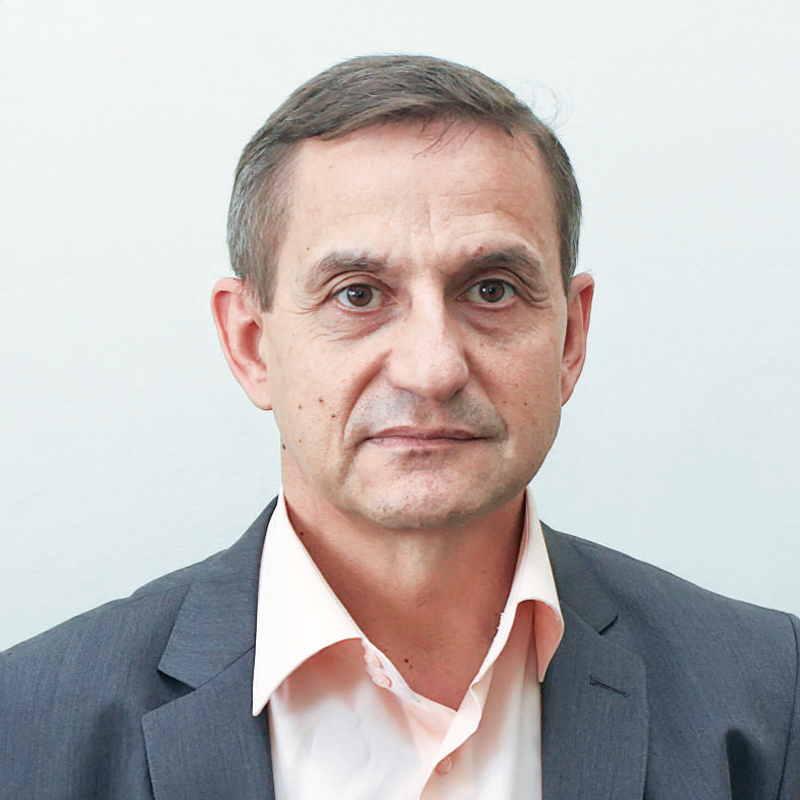

Photo: IPN
The funding will combine a loan, grants, and EU funds
The total funding will amount to €50 million. Of this amount, €40 million will be provided by the European Investment Bank in the form of a loan, €2 million will come in the form of a grant through the EU Neighborhood Investment Platform, and another €8 million will be allocated under the EU Economic Growth Plan for the Republic of Moldova.
The funds are planned to be used for the major repair and renovation of school buildings, improving their energy efficiency, modernizing classrooms, purchasing modern equipment, and providing professional development for teaching and administrative staff.
The list of facilities set to receive funding includes 20 high schools and gymnasiums in Chișinău, Bălți, Ungheni, Soroca, Nisporeni, Hîncești, Glodeni, Cimișlii, Rîșcani, Telenesti, and other regions of the country.
The program already covers 90 schools
As Minister of Education and Research Dan Perchun reported to Parliament, the “Model Schools” network currently includes 90 educational institutions from all regions of the country, serving approximately 70,000 students. As the program is implemented, the number of students covered by the project is expected to increase to approximately 90,000.
According to the ministry, some of the projects are already at various stages of implementation. Design services are being procured for 20 schools; eight institutions are in the stage of developing project documentation; tenders for construction work have been announced for five facilities; and renovation has already begun at three schools.
The development of the “Model Schools” network is funded with the participation of several international partners. In addition to the European Investment Bank, the program is supported by the Council of Europe Development Bank, the World Bank, UNDP, UNICEF, as well as the governments of several European countries and private companies.
The “Model Schools” program was launched in 2024. Its goal is to create a modern network of educational institutions with upgraded infrastructure, digital technologies, energy-efficient solutions, and modern learning environments.
List of schools included in the EIB’s funding program:
– “Ion Creangă” Republican Theoretical High School in Bălți;
– “Vasile Alecsandri” Theoretical High School in Colibași;
– “Nicolae H. Costin,” “Decebal,” “Galata,” and No. 86 middle schools in Chișinău;
– “Nicolae Bălcescu” Theoretical High School in Ciorescu;
– “Petru Zadnipru,” “Ștefan cel Mare,” “Mihai Marinciuc,” and “Gloria” high schools in Chișinău;
– “Hyperion” Theoretical High School in Gura Galbenă, Cimișlia District;
– Theoretical High School in Balatina, Glodeni District;
– Theoretical High School in Lăpușna, Hîncești District;
– “Boris Cazacu” Theoretical High School in Nisporeni;
– “Gheorghe Rîșcanu” Middle School in Rîșcani;
– “Ion Creangă” Theoretical High School in Rădoaia;
– “Constantin Stere” Theoretical High School in Soroca;
– “Lucian Blaga” Theoretical High School in Telenești;
– “Mihai Eminescu” Theoretical High School in Ungheni.


