

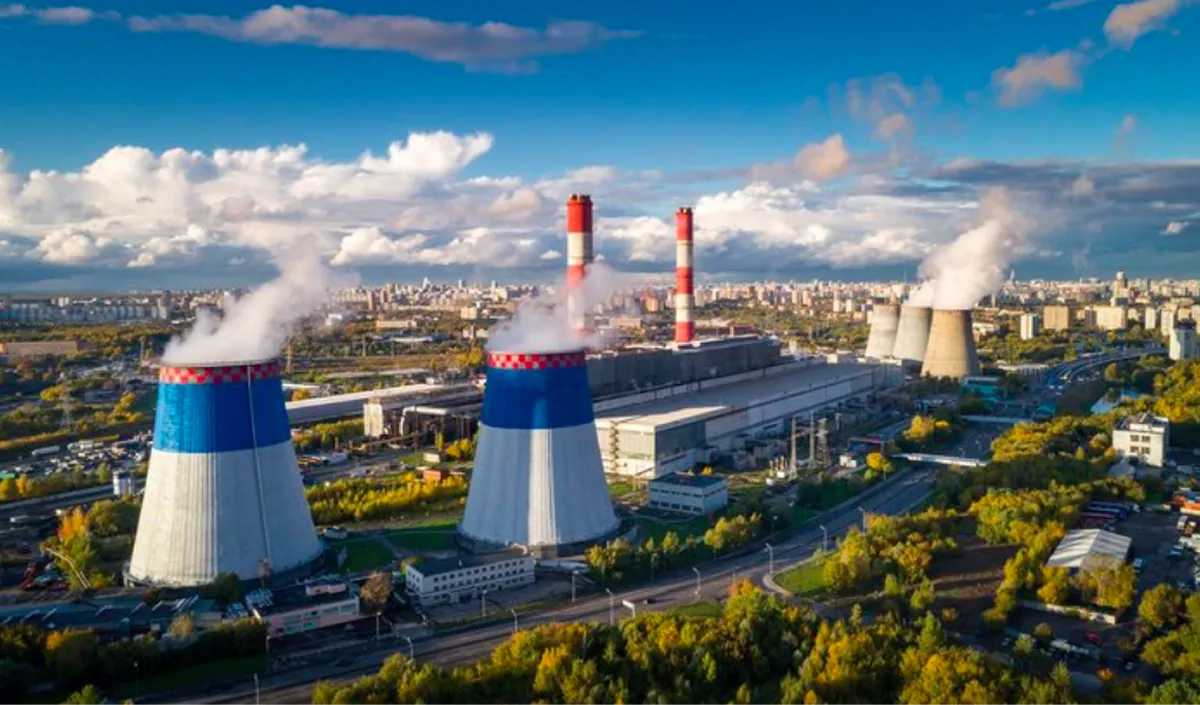
The draft law provides for the updating of rules on the planning of heat supply development, the improvement of energy efficiency, the use of renewable energy sources, the utilisation of waste heat and the introduction of heat storage systems.
Particular attention is paid to district heating and cooling. It is proposed to assess the needs and energy potential of local areas, draw up local development plans and carry out cost-benefit analyses when implementing relevant projects. This should help to plan the modernisation of heating networks more effectively and identify systems that meet energy efficiency criteria.
The document also regulates the generation, distribution and supply of thermal energy, the licensing of activities, connection to networks, and operators’ obligations to ensure the reliability and continuity of heat supply. Requirements are set out for the operation, maintenance and modernisation of infrastructure.
One of the key areas is the development of highly efficient cogeneration, in which electrical and thermal energy are produced simultaneously. This approach allows for more efficient use of fuel and other energy resources, reduces losses and minimises the environmental impact.
The draft bill also addresses consumers’ interests. It establishes rules for the metering of thermal energy, access to consumption data, the allocation of costs amongst users, billing and the provision of information on resources consumed. Provisions are also set out regarding contractual relationships and the protection of consumer rights.
The new law partially transposes into national legislation the provisions of EU Directive 2023/1791 on energy efficiency relating to heating, cooling and cogeneration. The further alignment of Moldovan regulations with EU legislation will take place in stages.
This story was translated with the assistance of artificial intelligence.The translation was also reviewed by the Logos Press editorial team.
Follow our updates
Have information for the newsroom? Share it with Logos-Press























Comments
0No comments yet. You can start the conversation.
Comments are open to readers with a Logos Press account.
Sign in to comment