


Wu emphasises that the model does not claim to be a forecast, but considers a range of $241,000 to $413,000 for the 2028 cycle peak to be reasonable. However, the 29th percentile scenario, which he highlighted separately, never reaches $1 million. Investors will have to wait more than six years for the median target, writes beincrypto.com.
The Monte Carlo simulation takes into account Bitcoin’s declining returns
Wu built a Monte Carlo model — a method that uses thousands of random simulations to assess possible scenarios. The model was trained on prices from the 2018 market trough to the 2022 low.
He excluded older data, when 100-fold increases were commonplace. Wu believes that the market is now driven by derivatives, exchange-traded funds (ETFs) and rapid liquidations.
An exponential decline parameter with a coefficient of 0.45 reduces profitability with each cycle. Additionally, the model takes into account the phase in which Bitcoin is currently situated within the market cycle.
Range of bullish and bearish scenarios by 2030
In the median scenario, Bitcoin peaks at $413,000 by December 2028, and by April 2030 the price falls to $234,000. The 29th percentile value, which is higher than 29 per cent of all simulations, indicates a high of $241,000 in December 2028 and a low of $126,000 in April 2030.
Historically, the low point of each new cycle has rebounded from the previous high, and Wu highlights this trajectory as consistent with the pattern.
In extreme scenarios, the 90th percentile results in $1.44 million in March 2029, whilst the 10th percentile results in $51,900 in April 2030.
In all four scenarios outlined, price peaks occur between December 2028 and March 2029.
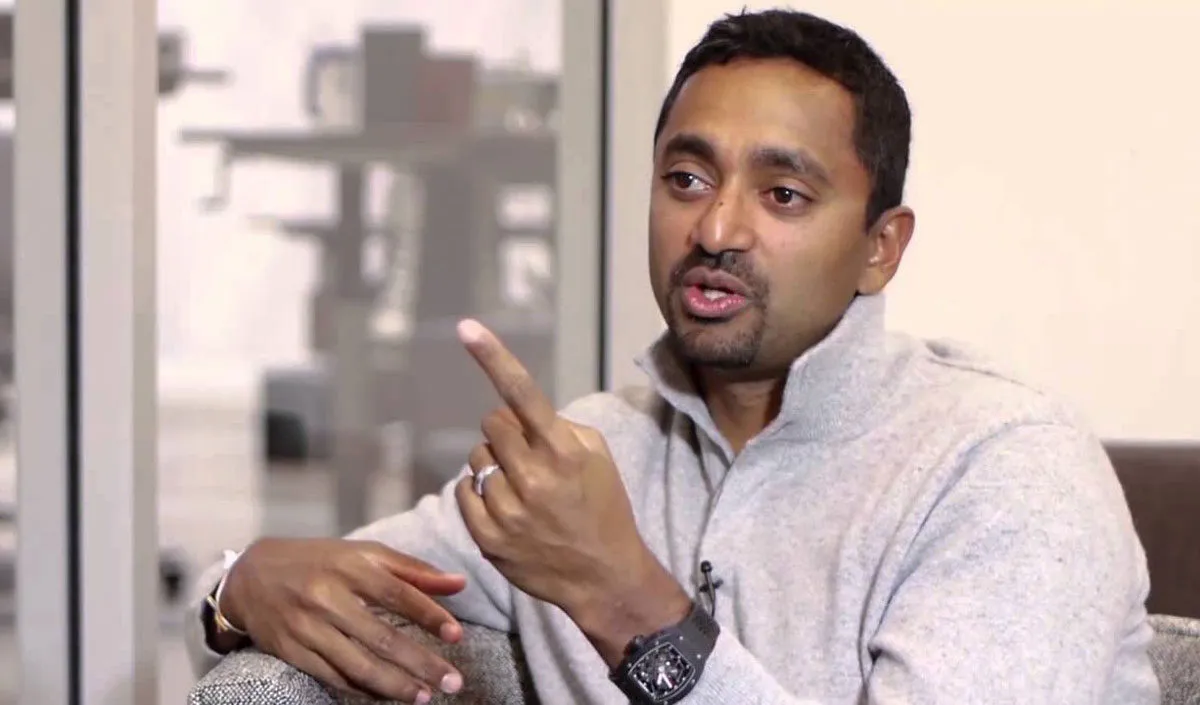
Yesterday, billionaire Chamat Palihapitiya stated that Bitcoin could fall to zero.
This story was translated with the assistance of artificial intelligence.The translation was also reviewed by the Logos Press editorial team.
Follow our updates
Have information for the newsroom? Share it with Logos-Press
























Comments
0No comments yet. You can start the conversation.
Comments are open to readers with a Logos Press account.
Sign in to comment