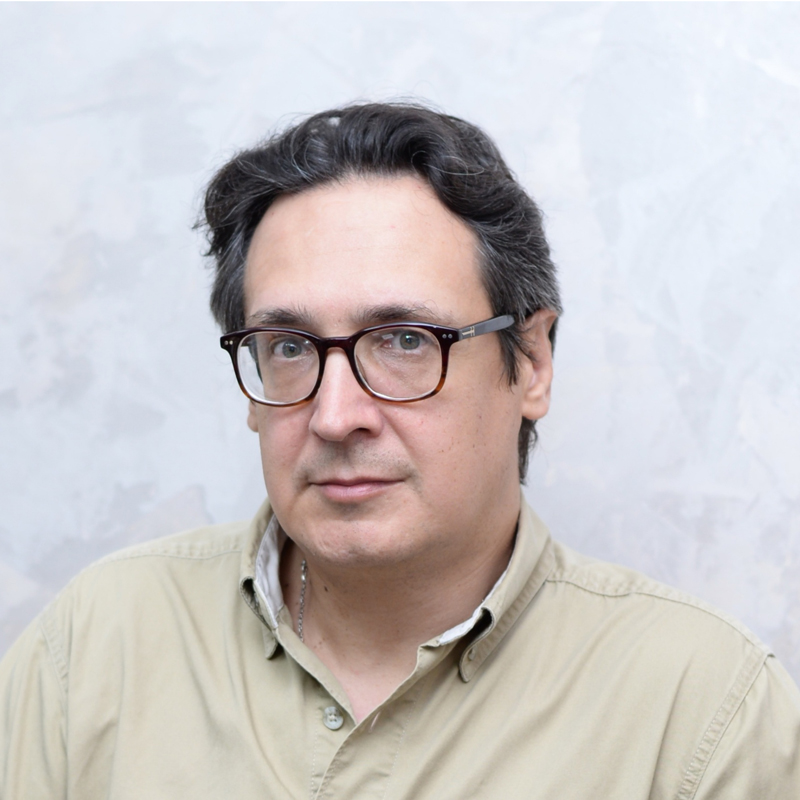

Ludmila Katlabuga
“This is a welcome program for farmers – we are moving from annual planning to a clearer, more predictable and multi-year vision for agriculture. Farmers need not only support, but predictability. We want to support those investments that develop agriculture in the long term – modern farms, local processing, irrigation systems, efficient technology and competitive rural businesses,” said Minister of Agriculture and Food Ludmila Catlabuga.
The new approach provides for the allocation of subsidies to agricultural producers on a competitive basis, i.e., a comprehensive assessment of investment projects by a special commission before financing is provided. This will ensure that financial support is directed to projects “that contribute most to the achievement of agricultural and rural development policy objectives and represent an optimal cost-benefit ratio”.
Financial support is organized into three categories of eligible measures:
- The first category refers to direct payments to beneficiaries. These are forms of support to sectors of the agri-food sector: certain segments of livestock production (“per head of animal”, “per kilogram of production”) and crop production (“per hectare”).
- The second category includes sectoral measures. These relate to areas where support is needed that is better oriented towards the production and logistics chain. The program includes measures for the development of viticulture, improving the competitiveness of wineries, production planning and its adaptation to market demand, the introduction of technologies adapted to climate change, the development of beekeeping and the inclusion of producers in quality improvement programs.
- The third category relates to rural development. It includes both elements of agricultural production development (through investments in infrastructure modernization, insurance, crediting) and diversification of economic activities in rural areas. This category also includes LEADER program, knowledge transfer, agricultural consulting and development of material base for research and professional training.
Financial support will be provided through the National Fund for Agricultural and Rural Development. The budget of the fund is approved annually by the law on the state budget. It is assumed that it is possible to attract funds from development partners.
A new element is the integration of the Agricultural Knowledge and Innovation System (AKIS). Thanks to this system, farmers will be able to receive practical and consulting support for more effective management of agricultural land (economics, agro-technology, soil science, land reclamation, etc.).
The PSPA 2026-2030 also provides for a monitoring system based on performance, outcome and impact indicators. Each activity will be analyzed annually depending on the results obtained.
For 2026, the amount of the National Fund for Agriculture and Rural Development is about 2.3 billion lei, of which about 628.8 mln lei correlates to actions under the Economic Growth Plan of the Republic of Moldova.


