
Authorities expect that this will help standardize management practices, increase financial transparency, and reduce the influence of local authorities on the education system.
Territorial Agencies to Replace District Offices
Under the proposed reform, district and municipal education departments will be replaced by 35 Territorial Education Agencies (ATE), which will serve as the founding bodies for elementary schools, gymnasiums, lyceums, and special education institutions.
Kindergartens and extracurricular education institutions will remain under the jurisdiction of local governments.
The new agencies will be responsible for funding schools, approving the number of classes and staffing levels, establishing school districts, overseeing compulsory education, managing infrastructure and budgets, and implementing measures to prevent bullying and support children with special educational needs.
Uniform Educational Standards
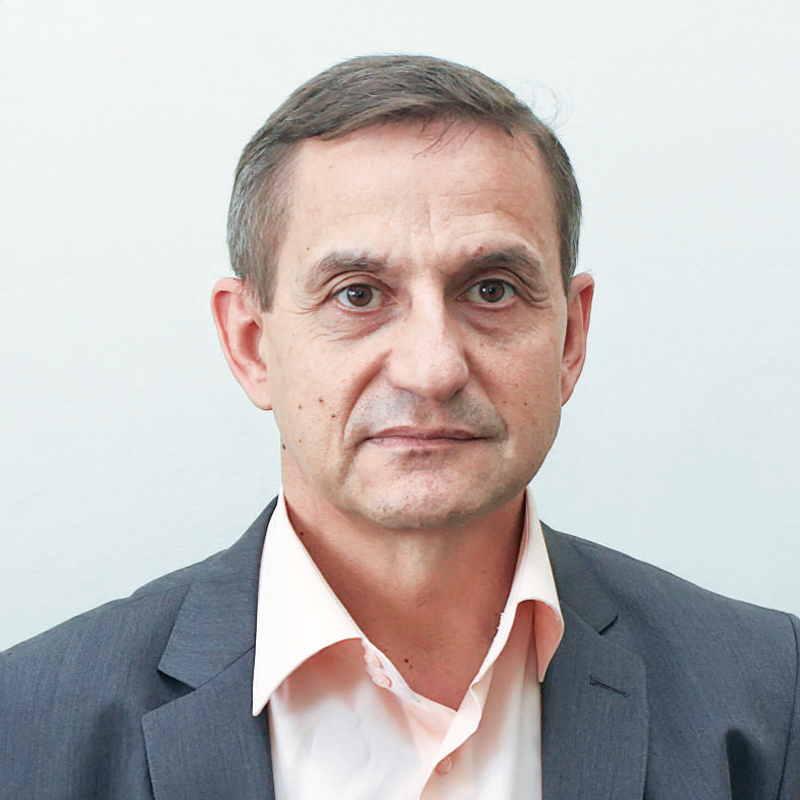
Dan Perchun, Minister of Education and Research, stated that the goal of the reform is to ensure equal educational opportunities regardless of region.
“Today, the quality of education a child receives depends largely on the capabilities and involvement of district councils, which are the school’s founding bodies. Some districts have specialists, resources, and support, while in others, schools are forced to manage on their own. A child’s place of birth should not determine their future,” the minister noted.
According to him, the new model will ensure the uniform implementation of national education policy throughout the country.
The school funding system will change
Another key element of the reform will be a change in the funding mechanism.
Once schools are transferred to the jurisdiction of regional agencies, funds will be allocated directly from the state budget based on a per-student funding rate. Currently, funding is provided through local budgets.
In addition, school budgets and reports on their execution will be made publicly available, which should increase transparency in the use of public funds.
What Else Does the Reform Entail?
The government has identified three main areas of reform:
– strengthening the administrative capacity of the education management system through digitization, salary increases, and the implementation of modern management methods;
– ensuring uniform implementation of education policy, reducing bureaucratic procedures, increasing school autonomy, combating bullying and informal payments, and ensuring exam transparency;
– creating a management system based on the best interests of the child and objective data, as well as reducing the influence of local political factors on the allocation of investments and the appointment of school administrators.
Heads of Territorial Education Agencies will be appointed through a competitive selection process for a five-year term, with the possibility of reelection only once.
The government plans to establish all 35 agencies by October 30, 2026, with the transfer of schools and the transition to the new funding model scheduled for January 1, 2027.
The reform does not apply to educational institutions in Gagauzia, as their operations are regulated by a special law on autonomy.