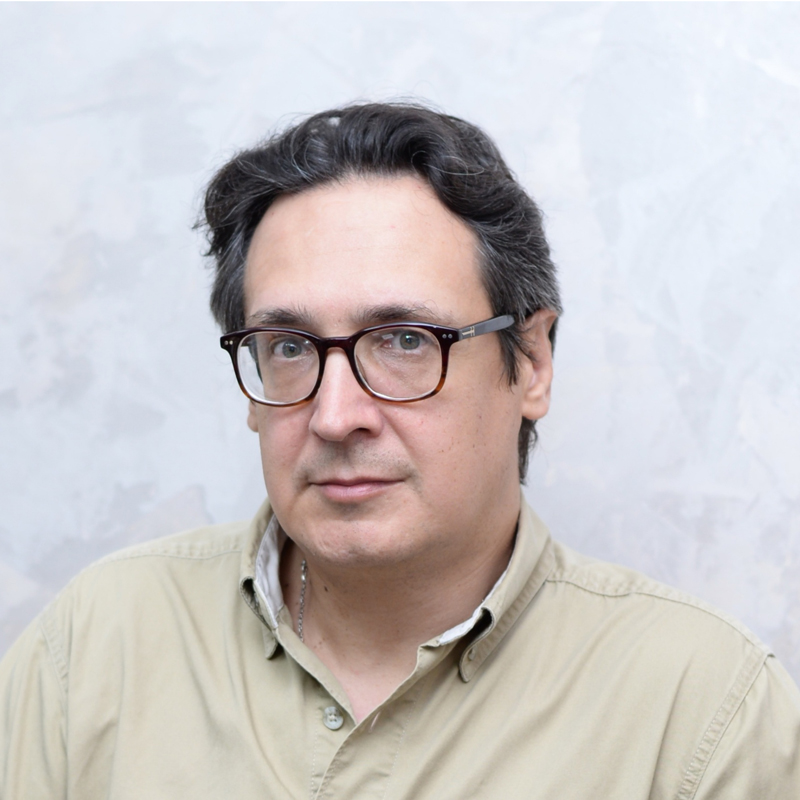

Vitalie Gorincioi: The government has no right to speak to citizens in the language of ultimatums
“Blocking roads is an extreme form of protest. However, we must take into account that people who have resorted to such radical measures are apparently in a desperate situation. It seems as though their labor is not needed, and the results of their work will not generate income. I am not inclined to urge farmers to abandon their work and take their farm equipment out onto the highway. For example, members of our organization are currently struggling to mobilize resources—both labor and equipment—to harvest sweet cherries, cherries, and other fruits. It would probably be inappropriate to distract them from this very difficult task right now. But I do not rule out the possibility that a situation may arise where we will have to do so. For those farmers who are currently taking to the streets in protest, that moment has likely already arrived. And I absolutely dislike it when government officials declare: “Either you agree to our proposal, or we’ll stop talking to you.” We recently spoke with colleagues from France, and even in similar—or less critical—situations, they don’t hold back when it comes to choosing methods of resistance.”
Vasile Bumacov: The Best Response Is Mutual Understanding and Solidarity
“From a human perspective, one can sympathize with those people who, while traveling abroad on a business trip or on vacation—perhaps with children—are forced to slow down near border checkpoints because of farmers’ protests. However, if people driven to desperation have decided to cause such inconvenience to their fellow citizens, it means that society as a whole bears some share of the responsibility. Probably the best way to respond in this situation is through understanding and solidarity.
And also—a much greater degree of responsibility in the process of drafting policy documents. Advice from foreign consultants is sometimes good and useful. But recommendations from others need to be adapted to our local realities.”
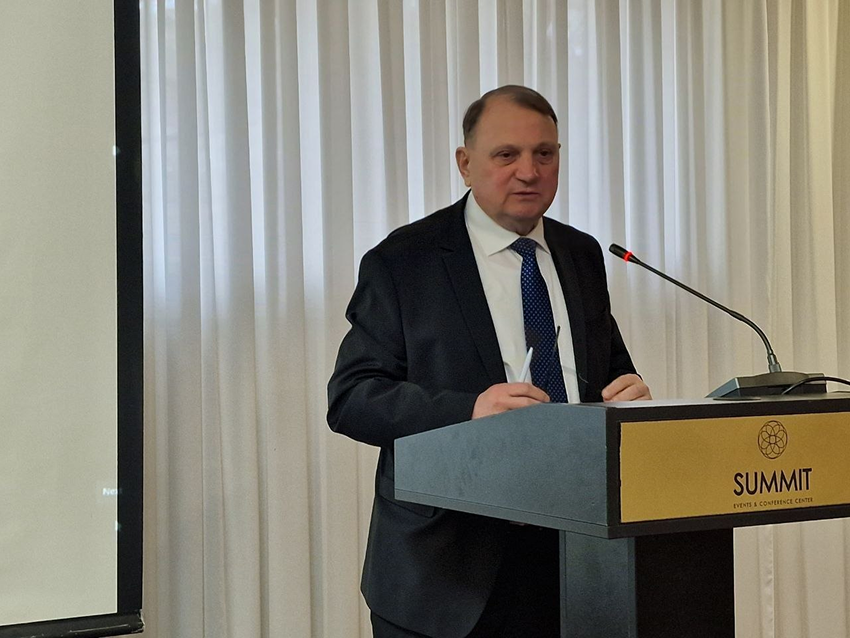
Vasile Bumacov


