


According to the explanatory memorandum, the aim of the draft law is to index the calculation basis for determining the post allowances of staff at the Republic of Moldova’s diplomatic service institutions working abroad.
In accordance with the Law on the Diplomatic Service, the minimum cost of living for each accredited state must be recalculated at least once every five years in order to index the amount of the allowance in foreign currency. The last indexation of allowances took place in 2018.
We would remind you that Prime Minister Vasile Tofan previously announced a package of measures to streamline state structures, which includes staff cuts of between 10 per cent and 30 per cent, as well as the merging of certain agencies. The measures are expected to affect approximately 161 institutions, employing a total of around 52,000 staff. Furthermore, the state administration must cut all non-essential expenditure and maximise savings from the state budget.
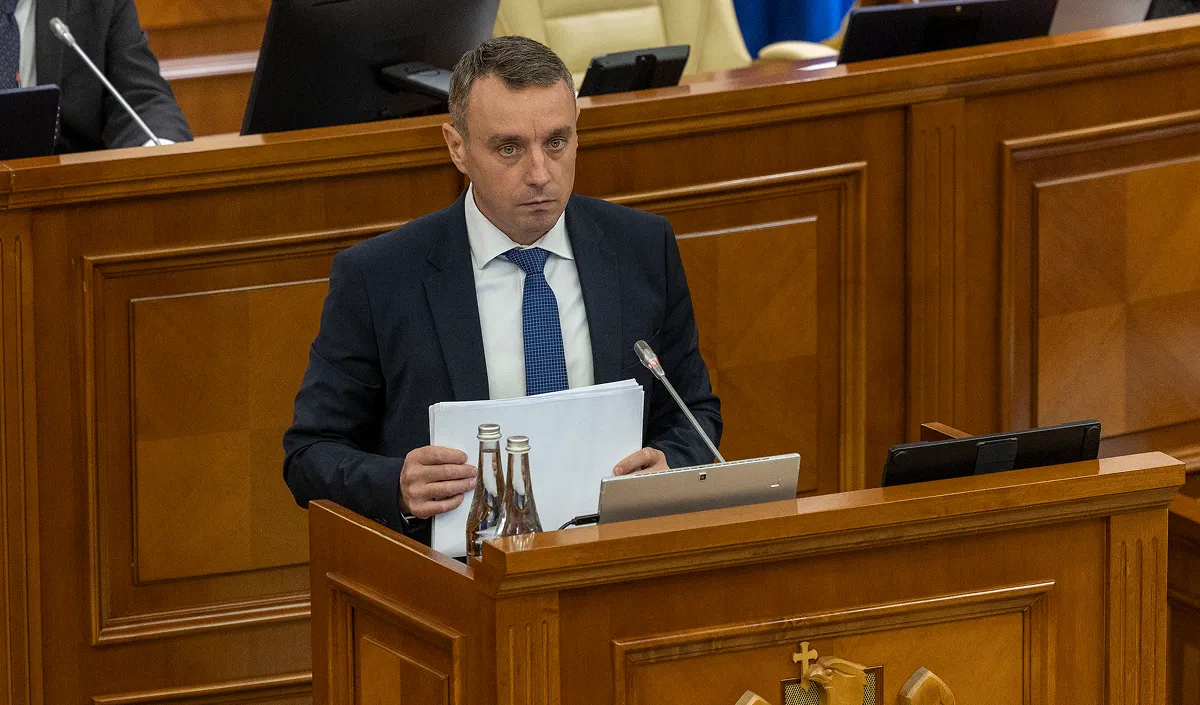
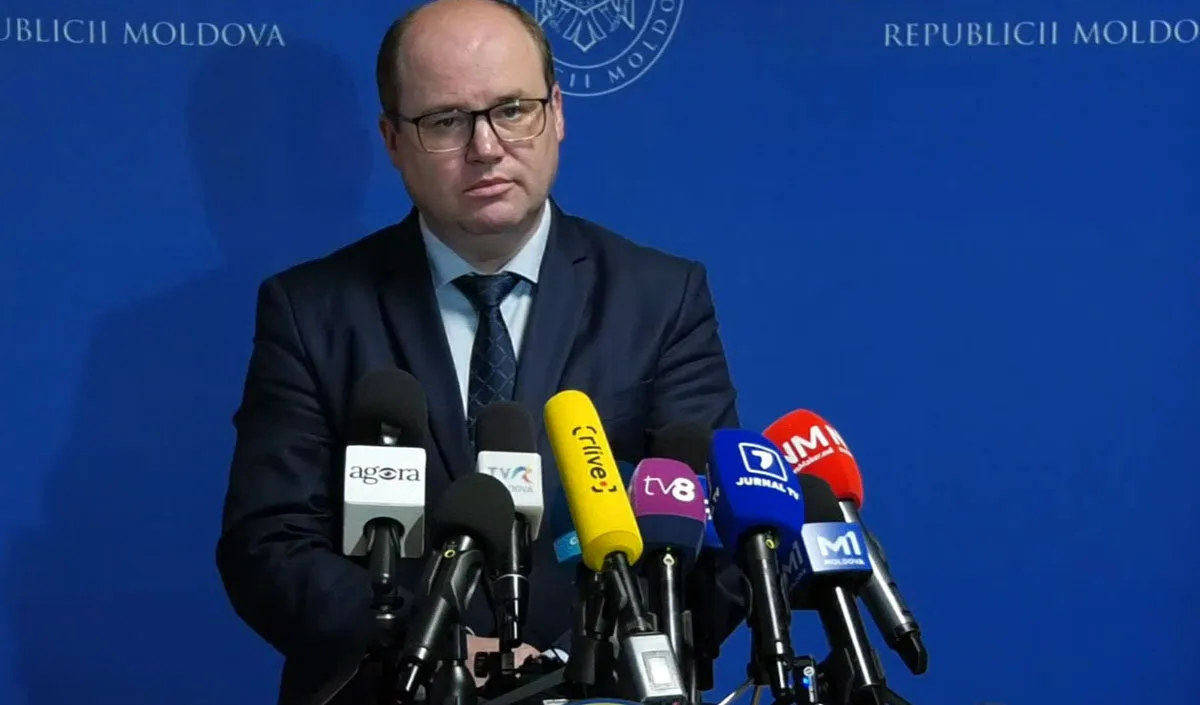
Mihai Popșoi told Rlive that the scope for the diplomatic service to make savings is limited.
“Our capacity to optimise is limited, because we have no subordinate institutions, we have a limited number of staff, and we have many vacancies, as citizens – our potential colleagues – are not particularly keen to join the diplomatic service, because salaries have not risen since 2018. People are tempted to go – and indeed do go – elsewhere, into the private sector, or remain in the countries of residence where they have been working, and the number of diplomats is falling,” said Popșoi.
“Our diplomatic service can only grow; we cannot reduce its capacity, because expectations of diplomacy are objectively rising,” he added.
This story was translated with the assistance of artificial intelligence.The translation was also reviewed by the Logos Press editorial team.
Follow our updates
Have information for the newsroom? Share it with Logos-Press

















Comments
0No comments yet. You can start the conversation.
Comments are open to readers with a Logos Press account.
Sign in to comment