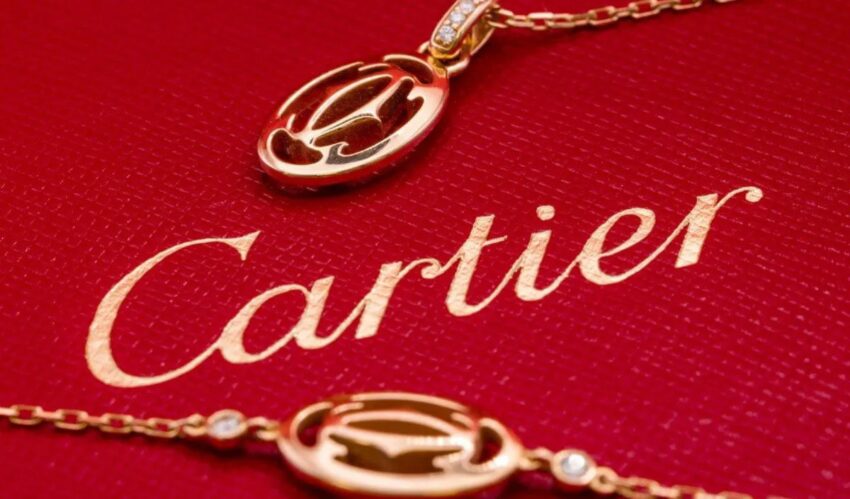
Photo: S&R Jewellers
At the end of the first quarter of the fiscal year (April–June), the company’s sales rose thanks to strong sales of Cartier rings, bracelets, necklaces, and other items. Following the release of the earnings report, Richemont shares rose nearly 8% in pre-market trading in Switzerland, according to Reuters.
Bernstein analyst Luca Solca described the company’s results as significantly stronger than market expectations. According to him, Richemont is successfully capitalizing on demand in two segments of the luxury goods market: among affluent customers purchasing exclusive jewelry, and among buyers purchasing more affordable entry-level products.
The group’s watch division also showed positive momentum, increasing sales by 8% compared to the same period last year.
Richemont achieved its most impressive results in North and South America, where sales growth accelerated from 18% to 27%. In the Asia-Pacific region, including China, the growth rate also improved—from 14% to 21%.
The European market also demonstrated steady growth: sales there increased by 11%. In the Middle East, the company returned to growth despite geopolitical tensions related to the conflict surrounding Iran. Richemont noted that the decline in spending by foreign tourists was offset by strong demand from local shoppers.
The strong quarterly results confirm that the jewelry segment remains one of the most resilient sectors of the global luxury industry. Unlike the fashion and accessories market, demand for high-end jewelry continues to be driven by affluent consumers even amid economic uncertainty and geopolitical risks.
Follow our updates
Have information for the newsroom? Share it with Logos-Press