The company believes that charging fees for transit through international waters violates the principle of freedom of navigation, Reuters notes.
The shipping industry warns of the consequences
The statement was prompted by U.S. President Donald Trump’s proposal to impose a 20 percent levy on cargo passing through the Strait of Hormuz, explaining that this was necessary to offset the costs of securing one of the world’s most important maritime routes. Earlier, Washington also announced the resumption of a naval blockade of Iranian shipping in the region.
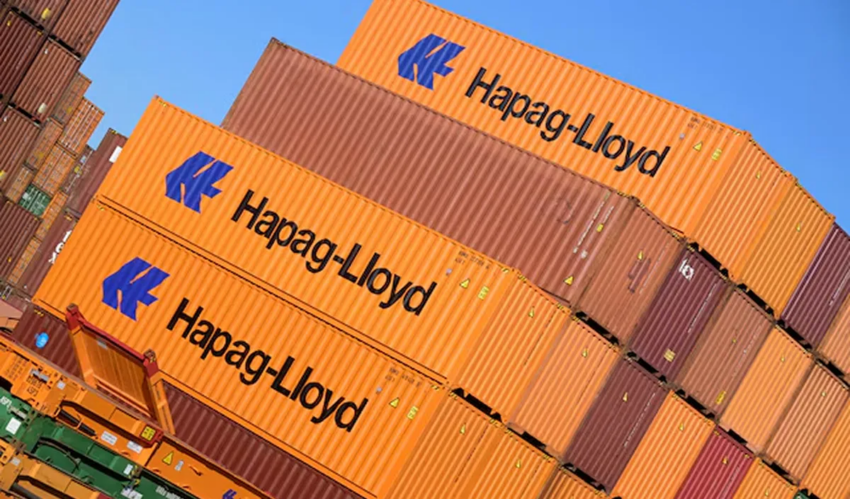
Hapag-Lloyd stated that international straits cannot be subject to such fees. The company emphasized that tolls are justified for the use of man-made infrastructure, such as the Suez or Panama Canals, but this principle does not apply to international sea lanes, Reuters reports.
The German Shipowners’ Association (VDR), which warned that such a practice could set a dangerous international precedent and call into question one of the fundamental principles of international maritime law—freedom of passage through international waters.
Global markets are once again on edge
The Strait of Hormuz remains one of the key transport corridors for global trade: a significant portion of the world’s oil and liquefied natural gas exports passes through it. Any restrictions or additional costs for shipping could lead to higher transportation costs, rising energy prices, and increased inflationary pressure in the global economy.
Against the backdrop of a new round of tensions in the region, market participants are already noting increased risks for maritime logistics and the energy sector.
Follow our updates
Have information for the newsroom? Share it with Logos-Press