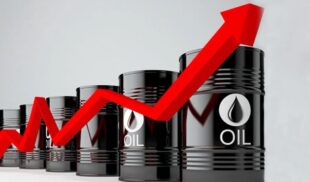
According to Chinese customs data, the country imported 29.27 million metric tons of crude oil in June—41% less than a year earlier and 12% less than the May figure, which was also one of the lowest in the past eight years, MarketPower reports.
The decline came amid a new round of tensions surrounding the Strait of Hormuz following the breakdown of the truce between the U.S. and Iran. China traditionally sources about half of its imported oil through Gulf countries, so the market had expected Beijing, on the contrary, to ramp up purchases to replenish its strategic reserves.
However, the published statistics indicate that domestic demand remains weaker than expected. Market participants are now closely monitoring whether June will mark the low point before imports recover.
Gas and Coal Offset Energy Risks
Unlike oil, natural gas imports rose by 3.7% compared to June of last year, reaching a five-month high of 10.93 million metric tons. Despite the suspension of LNG supplies from Iran—about one-third of which had previously been supplied by countries in the region—the shortfall was offset by alternative supplies from Russia.
Coal imports showed even more significant growth. Purchases increased by 30% to 42.78 million metric tons—the highest level in the past five months. The increase is linked to restrictions on domestic production following a large-scale mine safety inspection launched after a major accident in Shanxi Province.
A Signal for Global Markets
China’s statistics are traditionally considered one of the key indicators of the state of the global commodities market. A sharp decline in oil imports by the world’s largest buyer could signal a slowdown in industrial activity and weaker-than-expected demand for energy resources.
However, the possibility of a forced reduction cannot be ruled out: the Strait of Hormuz is once again in turmoil, and supplies from Russia may have declined due to domestic market issues.
China’s increased purchases of gas and coal also support this theory. This indicates that Beijing is rebalancing its energy consumption mix in an effort to offset the risks of supply disruptions and ensure a stable energy supply during the summer peak consumption period. For the global oil market, this means that geopolitical risks have not yet outweighed the fundamental factor—cooling demand.
Follow our updates
Have information for the newsroom? Share it with Logos-Press