
Local government representatives are calling on the authorities to abandon the rushed implementation of the reform, strengthen the financial autonomy of local governments, and revise the country’s administrative-territorial structure.
Municipal authorities insist on dialogue
During the meeting, CALM representatives stated that large-scale local government reform should be carried out on the basis of a broad consensus between central and local authorities, rather than being limited to formal consultations.
One of the key issues was the process of voluntary amalgamation of settlements. CALM believes that the July 31 deadline set for municipalities to complete the procedure is too strict and should be revised to avoid social tensions and the politicization of the reform.
CALM proposed changing the model of administrative reform
Among the main initiatives presented to the future prime minister is a review of the structure of the second level of local government. Specifically, CALM proposes either abandoning the current system of districts in favor of strengthening regional development agencies, or reducing the number of districts to 5–6 in line with European approaches to regionalization.
Another proposal concerns expanding the financial autonomy of municipalities. The organization believes that cities—as regional centers—should receive 100% of personal income tax revenues, which would strengthen their investment potential and role in regional development.
In addition, local government representatives called for accelerating financial decentralization, resuming the work of the Joint Commission between the government and local self-government bodies, and conducting mandatory consultations on key reform decisions.
The government plans to continue the reform
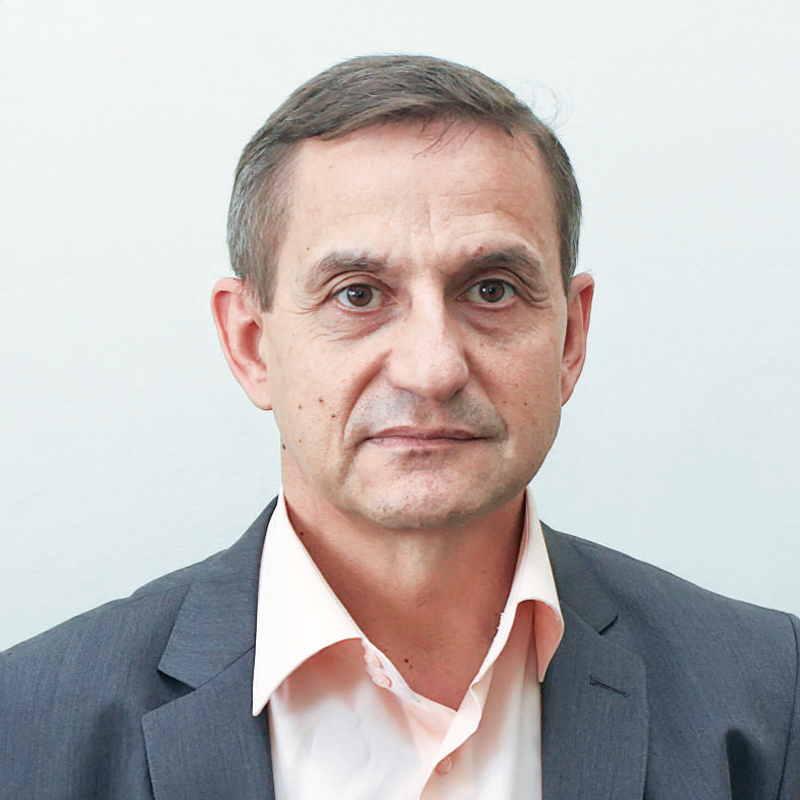
Vasile Tofan, for his part, stated that administrative reform must be based on the actual needs of local communities. According to him, many localities have already begun the process of voluntary consolidation, so the government intends to seek practical solutions that will allow the reform to continue without delays.
The current reform concept, presented by the government this spring, calls for the consolidation of municipalities on a voluntary basis, increased financial incentives for the merger of settlements, and improved efficiency in local governance. The authorities expect that larger municipalities will be able to allocate more funds to infrastructure development and the provision of public services.
The reform of local public administration is considered one of the key institutional reforms related to the modernization of public administration and the fulfillment of Moldova’s commitments on the path to EU accession. At the same time, it is precisely the issues of the redistribution of powers, fiscal decentralization, and the future of the district level of government that remain the most contentious.
CALM’s meeting with the future prime minister shows that local authorities expect to be not only the subject of the reform but also its full-fledged participants.
The pace of implementation of one of the most far-reaching transformations in recent years will largely depend on whether the government succeeds in reaching a compromise with the municipalities.


