
This event is covered in reports by Deutsche Welle and Euronews. The decision to open the sixth cluster was unanimously supported by all 27 EU member states on July 10, 2026. The entire EU accession process is divided into 33 chapters, which are grouped into six thematic clusters.
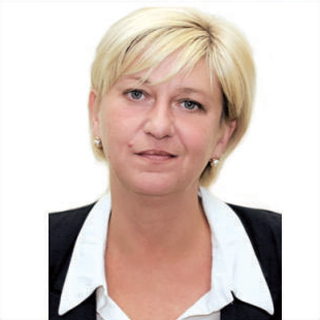
Moldovan officials are not disclosing details of the negotiation process. It is known only that the Moldovan delegation is led by Acting Prime Minister Eugen Osmocescu.
Also arriving in Brussels were Deputy Prime Minister for European Integration Cristina Gerasimov, who will present the country’s negotiating position, and Foreign Minister Mihai Popșoi. It was also reported that talks are scheduled with European Commissioner for Enlargement Marta Kos, as well as with representatives of the EU leadership and the European Parliament.
Yesterday, July 13, Mihai Popșoi participated in an event marking the 31st anniversary of our country’s accession to the Council of Europe (CoE), where he emphasized the CoE’s role in supporting democratic reforms and the successful implementation of the CoE Action Plan for Moldova.
The Council of Europe’s Action Plan for the Republic of Moldova for 2025–2028, with a total budget of approximately 43.6 million euros, serves as “a strategic framework for cooperation aimed at supporting reforms in the areas of human rights, democracy, and the rule of law in accordance with Council of Europe standards and the Republic of Moldova’s European integration objectives,” the minister noted.
Official positions and the timeline for further steps are detailed on the Council of the European Union’s website. Further progress on the remaining four areas will depend on political discussions among the member states.
Four clusters remain blocked for now: the internal market; competitiveness and inclusive growth; the “green” agenda and sustainable development and resources; and agriculture and cohesion policy.
“Today we have reached another important milestone on Ukraine and Moldova’s path to EU membership by opening another key negotiation cluster,” said Irish Minister of State Thomas Byrne following the announcement. “This demonstrates the countries’ commitment to moving forward as quickly as possible,” Euronews reported, quoting his remarks verbatim.
Ireland currently holds the rotating presidency of the Council of the EU and, within the framework of these discussions, represents the position of all 27 member states of the Union.
Procedural Progress
Cluster 6 covers external relations and is considered one of the key topics in the EU accession negotiation framework.
A number of accession negotiation chapters, which form part of the clusters, are also scheduled to be concluded for the Western Balkan integration leaders—Albania and Montenegro—as part of the so-called “Super Tuesday” of enlargement.
The European Commission believes that Ukraine and Moldova are technically ready to open all clusters, meaning that further steps will depend on political decisions.
Kyiv has publicly insisted that progress through all stages take place before the summer break. The European Commission and most member states share this view. “It is important not to lose the momentum we have built,” said one diplomat.
However, Hungarian Prime Minister Péter Magyar expressed serious doubts about the need for such rapid progress, arguing that it would amount to “accelerated accession” into the EU and would undermine membership negotiations with the Western Balkan countries, which have been waiting much longer.
Observers believe that it will no longer be possible to make progress in July, and the remaining clusters will be considered one by one, starting in September.
Once a cluster is unblocked, the candidate country begins separate negotiations on the thematic chapters it contains.