
This was discussed at a workshop on biodiversity conservation in urban areas, attended by representatives of the Ministry of the Environment, experts, and researchers.
During the event, experts discussed the role of parks, urban forests, rivers, lakes, and ponds in enhancing the resilience of urban areas to climate change.
According to workshop participants, preserving natural elements in the urban environment helps mitigate the impact of factors such as heat waves, heavy rainfall, droughts, and air pollution.
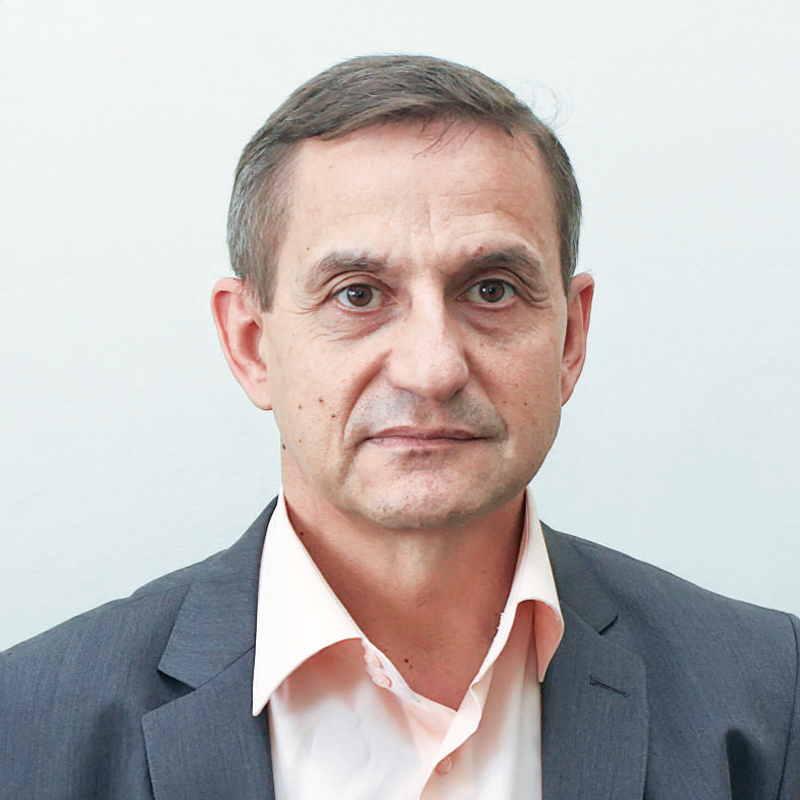
Petru Tataru, Secretary General of the Ministry of the Environment, noted that the development of settlements must take nature conservation into account.
“The cities and settlements of the future must be built in harmony with nature. Integrating biodiversity into urban planning and protecting natural areas are investments in human health and the sustainability of our communities,” said Petru Tataru.
Climate adaptation is becoming an economic priority
The seminar was held as part of the Republic of Moldova’s implementation of its obligations under the Convention on Biological Diversity.
Participants noted that climate change is increasingly affecting urban infrastructure and the quality of life for the population.
High temperatures increase the strain on energy systems and urban services, heavy rainfall poses risks to infrastructure, and droughts can affect the availability of water resources and the condition of rural areas.
In this context, green infrastructure is viewed not only as an environmental element but also as a tool for reducing future costs of urban adaptation.
Parks, trees, water bodies, and natural areas can serve to regulate temperature, retain water, and improve the quality of the urban environment.
Event participants presented examples of urban ecosystem management, forest biodiversity conservation, climate change adaptation, and the sustainable use of natural resources.
Experts also discussed practices that can be applied in the further development of settlements while taking environmental factors into account.


