Iran
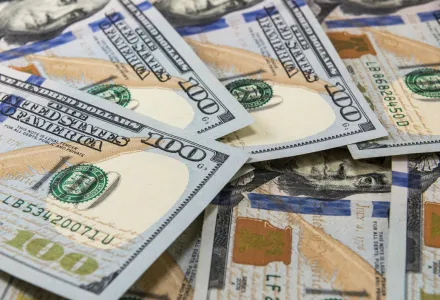
Escalating conflict in the Middle East is driving investor demand for defensive assets as the war drags on. The dollar index, which measures the value of the U.S. currency against a basket of currencies, rose 0.03% to 99.53. The euro fell 0.06% to $1.1563. The yen rose 0.06% to 159.11 per dollar, while sterling weakened 0.06% to $1.3331.
It is not only oil and gas markets that are feverish amid the deepening crisis in the Middle East due to the US-Israeli war against Iran. The Russian Central Bank’s gold reserves last month fell to a four-year low of 74.3 million troy ounces, the lowest since April 2022, when 74.1 million remained in reserve.

Ships that are not linked to “Iran’s enemies” can pass through the Strait of Hormuz with the agreement of security measures with Tehran. This was stated by the representative of the Islamic Republic to the International Maritime Organization Ali Mousavi, Reuters reports.

The US authorities temporarily allowed the purchase of Iranian oil loaded on tankers earlier than March 20. The relaxation of sanctions will last 30 days. It will allow about 140 million barrels to be brought to the market. The goal is to bring prices down below $100 per barrel.

Bitcoin clawed back a week’s worth of gains in just one weekend.

US President Donald Trump has issued an ultimatum to Iran, threatening to destroy its power plants if the Strait of Hormuz is not opened within 48 hours.

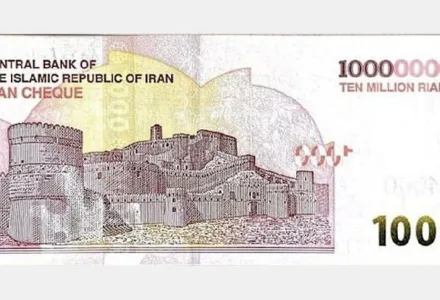
The Iranian authorities have put into circulation banknotes with a face value of 10 million rials, the largest in the country’s history. The decision was due to accelerating inflation and a sharp increase in demand for cash among the population.
Iran has attacked the Diego Garcia base, owned by the US and UK, in the Indian Ocean with two medium-range ballistic missiles. This is the first case of such a threat to US interests outside the Middle East – 4,000 kilometers from Iran.

US President Donald Trump has listed the goals of the military operation in Iran.

Kazakh grain supplies resumed after a two-week break since the beginning of the war in the Middle East. This week Ak Bidai Terminal in Aktau started transshipment of grain to Iran.

The U.S. Defense Department has proposed to the White House several options for further funding of the military campaign against Iran, Logos Press reported, citing the Washington Post.

The war in Iran is shaking the world economy more and more thoroughly. Global financial markets are showing signs of growing panic amid escalating conflict in the Middle East and a sharp jump in energy prices, analysts say.

US President Donald Trump has vowed to “blow up everything” in Iran’s South Pars gas field if Tehran attacks Qatari gas fields again.
At the opening of the session, oil was trading around $110 per barrel. As of 5:55 Moscow time, the cost of May futures for Brent increased by 4.5% to $112.26 per barrel. In general, oil rose in price by about 11% during the week, and for the month the growth exceeded 50%.

Azerbaijan has sent five trucks with humanitarian aid to Iran. The cargo was sent on behalf of Ilham Aliyev on the eve of Novruz holiday.

Joe Kent, director of the U.S. National Counterterrorism Center, has resigned after publicly stating his disagreement with President Donald Trump’s administration’s decision to launch a military operation against Iran.

During the Soviet period, the Central Asian republics were stereotypically perceived as an arid region. But over the last 40 years, water availability per capita in the region has become even more scarce – it has decreased by more than three times.

The military conflict over Iran is beginning to affect not only oil markets, but also a much less obvious segment – the global pistachio trade.

Two publications, believed to be insiders, have reported the resumption of direct contacts between US President Steve Whitkoff’s special envoy and Iranian Foreign Minister Abbas Araghchi in recent days. However, the latter denied this information.

On Monday, Iranian Foreign Ministry spokesman Esmail Baghaei threatened Romania with an “adequate political and legal response” over that country’s decision to allow Americans to use military bases to refuel planes used in missions in the Middle East.