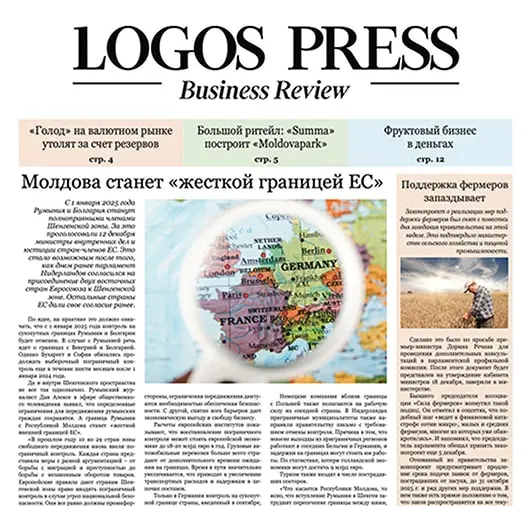
Euro
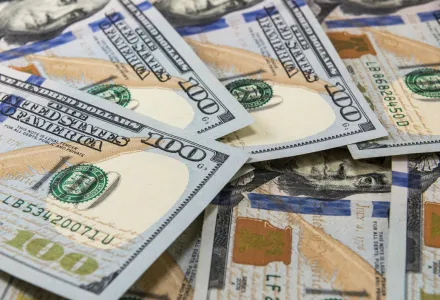
Escalating conflict in the Middle East is driving investor demand for defensive assets as the war drags on. The dollar index, which measures the value of the U.S. currency against a basket of currencies, rose 0.03% to 99.53. The euro fell 0.06% to $1.1563. The yen rose 0.06% to 159.11 per dollar, while sterling weakened 0.06% to $1.3331.
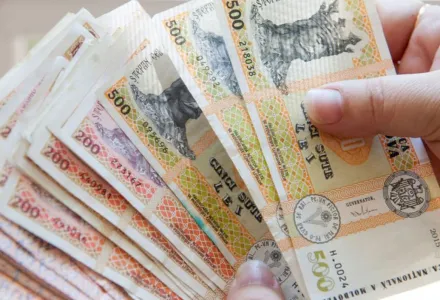
Moldovan leu for the middle of March shows a slight strengthening against dollar and euro in comparison with the indicators of the beginning of the month. The average dollar purchase is about 17.05 MDL, sale – 17.50 MDL. On the international markets, the dollar index (DXY) shows a decrease, which automatically leads to the leu strengthening against the American currency.
In global currency markets, the U.S. dollar rose more than 1% this week. This was helped by positive economic data, a tougher stance from the Federal Reserve and tensions between the US and Iran, which kept markets on edge, Logos Press reports.

The euro is falling amid reports of the ECB chief stepping down early ahead of next year’s French presidential election to give outgoing French leader Emmanuel Macron a chance to influence the choice of her successor, Logos Press reported, citing the Financial Times.

Sweden is considering abandoning its national currency (krona) in favor of the euro, due to geopolitical changes, NATO membership and the krona’s vulnerability, according to Logos Press.