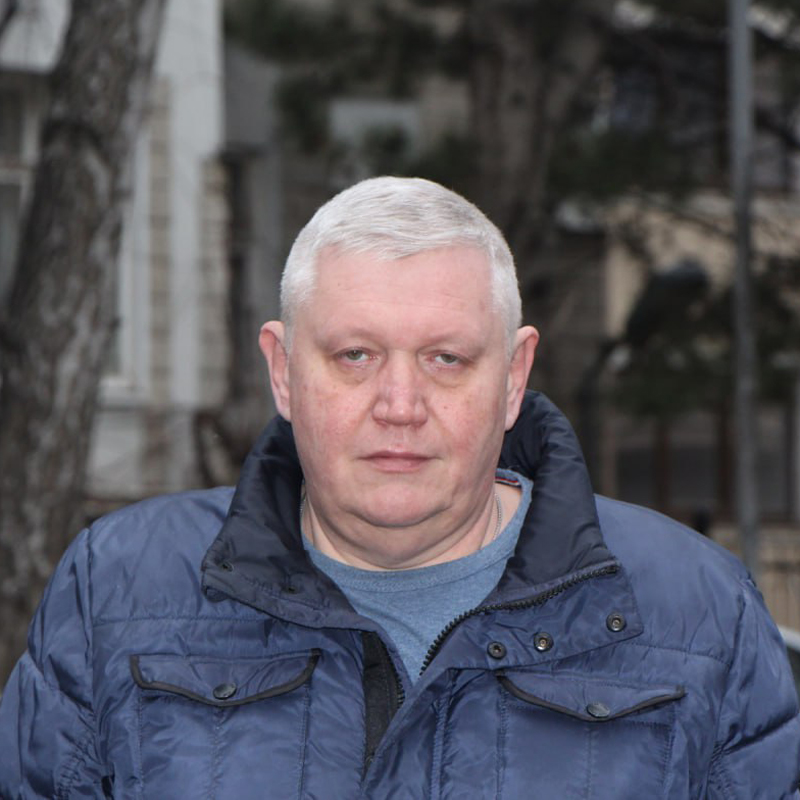

“By 2030, we want to see positive changes in all educational institutions—in every kindergarten, school, college, and university. This means better conditions for children and teachers, modernized schools, a more relevant curriculum, more opportunities for young people, and more competitive universities. “We have a clear plan for the next five years, with investments and outcomes we are striving to achieve,” said Minister of Education and Science Dan Perchun just as Moldovan teachers were staging a protest in front of the Moldovan government building.
In the area of preschool and general education, the program calls for the creation of 5,000 spots in daycare centers, the equipping of at least 400 schools and kindergartens, the renovation of restroom facilities, and the development of a network of 90 model schools. The curriculum will also be revised, and the goal is to raise the high school graduation rate to at least 90% by 2030. Another goal is to improve performance on the Programme for International Student Assessment (PISA), which evaluates the reading, mathematics, and science skills of 15-year-old students.
In the field of vocational education, at least 3,000 students will participate in dual-track programs involving at least 300 private companies. Curricula will align with the Qualifications Framework and the requirements of the “green transition,” making them more relevant to the labor market.
The dual education program will also be expanded at the university level to enroll at least 1,000 students. At the same time, universities will aim to attract at least 3,000 international students annually and achieve a 50% graduate employment rate.
Measures are planned to strengthen academic integrity, including the use of anti-plagiarism systems and monitored assessments, as well as investments in academic buildings, university dormitories, laboratories, and recreational areas for students. Efforts will also be made to support STEAM fields by increasing scholarships for students who choose these programs.
Support forR&D
The program also emphasizes the importance of improving the quality of higher education and scientific research through external evaluations of doctoral programs to ensure compliance with European quality standards and enhance the competitiveness of scientific research in Moldova.
The document also provides for the establishment of a National Erasmus Agency, which will facilitate more effective management of mobility opportunities, cooperation, and the exchange of best practices for learners, students, faculty, and educational institutions.
In the field of research and innovation, efforts will focus on developing research infrastructure, public-private partnerships, technology transfer mechanisms, and an e-research information system. These measures will be supported by an allocation of 100 million lei from the state budget and the mobilization of approximately 400 million lei from external funds for research and innovation. At the same time, the Republic of Moldova will continue its participation in the “Horizon Europe” program.
Investments in Educators
Another priority is supporting teaching staff. More than 5,000 employees in the education system will benefit from the “Investing in Educators” program, and more than 25,000 will benefit from the “Investing in Teachers” program. At the same time, mentoring programs and psychological support services will be provided for teachers.
As part of the digitalization of education, plans include certifying teachers’ digital skills according to the DigCompEdu standard and developing 3,000 units of digital content. By 2030, the goal is for 100% of graduates to achieve a B1 level of digital skills. A national program on the use of artificial intelligence in education will also be implemented.
Where will the funding come from?
The total estimated cost of the Program for the 2026–2030 period is 13.464 billion lei. Of this amount, 3.705 billion lei, or 27.5%, will be allocated from the state budget, while 7.956 billion lei, representing 59.1%, will come from external assistance provided by development partners, international financial institutions, and the European Union.
External assistance will be directed primarily toward infrastructure investments, including through projects implemented under contracts with international financial institutions as part of Moldova’s Growth Plan.
The Ministry of Education and Science will coordinate the implementation of the Program in cooperation with central and local authorities, educational institutions, and development partners. Progress will be monitored through periodic reports and interim evaluations, which will allow for adjustments to actions and indicators based on the results obtained.
Follow our updates