

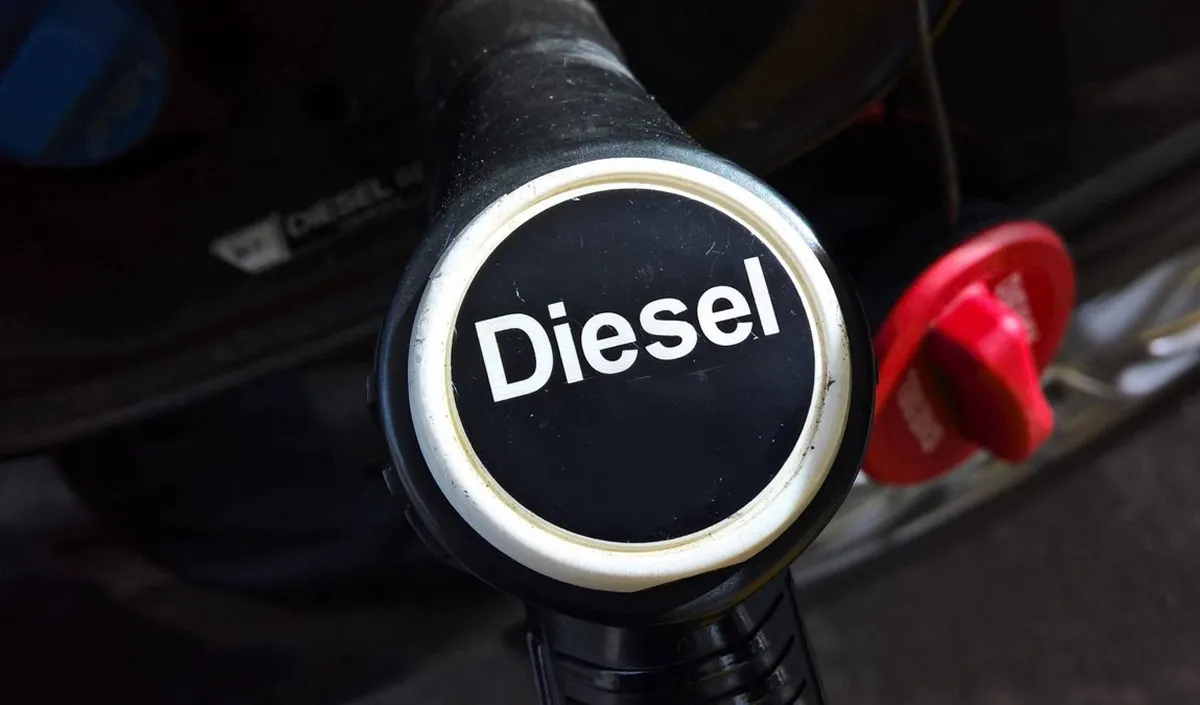
This was reported by Reuters, citing sources in the oil refining industry. In October, the Russian government authorised exemptions from the existing ban on diesel fuel exports and allocated quotas allowing Russia to supply fuel under the aforementioned agreement. According to industry sources, in the first half of October, diesel production in Russia fell to around 160,000 tonnes per day (from 175,000 tonnes per day in September). However, following the approval of new export quotas in the second half of this month, production volumes began to rise to their current level of 180,000 tonnes per day. In October, domestic consumption of diesel fuel in the Russian Federation usually stands at around 140,000 tonnes per day. This is due to seasonal factors, such as the end of the grain harvest and the end of the summer tourist season. In other words, by increasing production, Russia now has around 40,000 tonnes per day, or more than 1 million tonnes per month, available for export. Approximately 200,000–300,000 tonnes of this volume may be required by neighbouring countries, Reuters sources add. The agency’s sources also expect that the Russian government will not completely lift the ban on diesel exports. Instead, the Russians will use quotas to regulate exports, monitoring the domestic market and changes in production. US President Donald Trump stated that the Russian leadership had agreed that the country would supply more than 300,000 tonnes (around 2.25 million barrels) of diesel fuel in the near future, a further 500,000 tonnes in November, and subsequently 1 million tonnes.
This story was translated with the assistance of artificial intelligence.The translation was also reviewed by the Logos Press editorial team.
Follow our updates
Have information for the newsroom? Share it with Logos-Press























Comments
0No comments yet. You can start the conversation.
Comments are open to readers with a Logos Press account.
Sign in to comment