


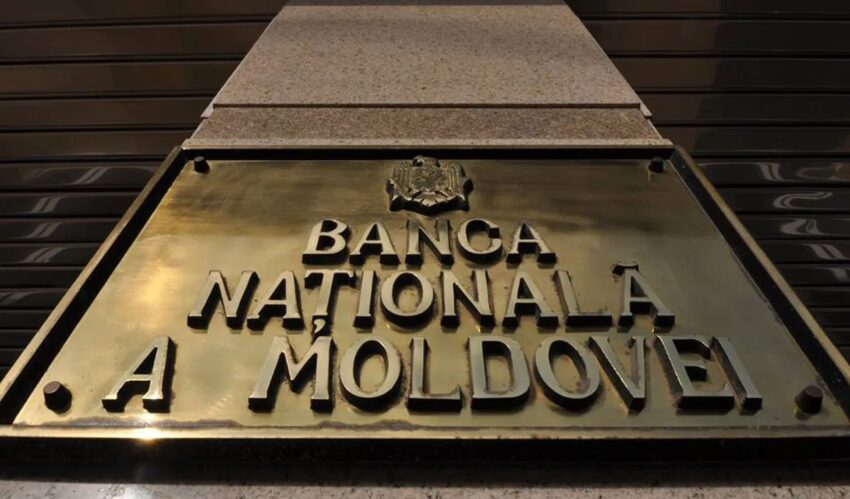
The reform is preventive in nature: the regulator is being given the tools to identify problems at an early stage, before they affect customers.
We examine what practical benefits ordinary citizens will derive from this and what new requirements entrepreneurs will have to adapt to.
Benefits for depositors: a double safety net
For ordinary customers and depositors, the main aim of the bill is to improve the reliability of the banks to which they entrust their savings.
An additional ‘safety net’. The law clarifies the conditions under which the National Bank of Moldova (NBM) may require a bank to increase its capital. If the regulator observes that a financial institution is taking on excessive risks, it will require the formation of an additional reserve. This reduces the likelihood of a bank going bankrupt in a crisis situation.
Strict selection of senior management. Stricter criteria are being introduced for corporate governance and the competencies of senior executives. Only professionals with an impeccable reputation and proven qualifications will be eligible for key positions in banks, which protects customers’ money from unprofessional or dishonest decisions.
Preventive supervision. The strengthening of the NBM’s supervisory powers enables the regulator to intervene before a bank begins to experience liquidity problems or difficulties in honouring deposit payments.
Integration of ESG risks into lending
For companies and entrepreneurs, the reform has two aspects: an increase in the overall stability of the financial environment and the introduction of new criteria for obtaining loans.
Banks will be required to take environmental, social and governance (ESG) risks into account in their operations. In practice, this means that when assessing loan applications from businesses, banks will begin to focus not only on financial statements, but also on the environmental sustainability of production, compliance with labour standards and the transparency of corporate governance. Businesses seeking substantial financing will have to gradually implement sustainability standards.
The stability of the banking system has a direct impact on the cost and availability of credit in the economy. Stable banks are less vulnerable to shocks, which reduces the risk of credit lines being suddenly frozen or of service terms for corporate clients being drastically revised.
Expert view
The business community has not yet commented on the new measures and is trying to ‘keep up with the times’. For entrepreneurs, the predictability of the banking system is critically important: in order to trust banks, businesses must be confident that their working capital is secure and that credit is accessible.
The introduction of ESG criteria presents a new challenge for Moldovan companies, particularly in the agricultural sector. However, in the long term, this will help local businesses to enter European markets more easily and attract cheaper financing.
The regulator’s position is well known – under all circumstances, the NBM strives to ensure the stability of the financial system and the protection of foreign investments in Moldovan banks. On the eve of the event, NBM Governor Anca Dragu, speaking at a forum in Brussels, once again reaffirmed the regulator’s position:
“We have banks with European capital operating here, and a financial regulatory framework that we are bringing into line with European Union standards, whilst the stable outlook for our sovereign rating underpins investor confidence. As we progress through the EU accession process, the rules are becoming more predictable and our links with the European market are strengthening.”
Previously, the National Bank of Moldova emphasised that the introduction of ESG principles into the banking sector is necessary to protect financial institutions from the risks of so-called ‘greenwashing’ (where a company merely pretends to be environmentally friendly) and to encourage responsible financing of the economy in the long term.
The draft law, once approved by the government, will be submitted to parliament for consideration and a vote. It is expected that the new regulations will be introduced in stages to give banks and businesses time to adapt.
Follow our updates
Have information for the newsroom? Share it with Logos-Press























Comments
0No comments yet. You can start the conversation.
Comments are open to readers with a Logos Press account.
Sign in to comment