



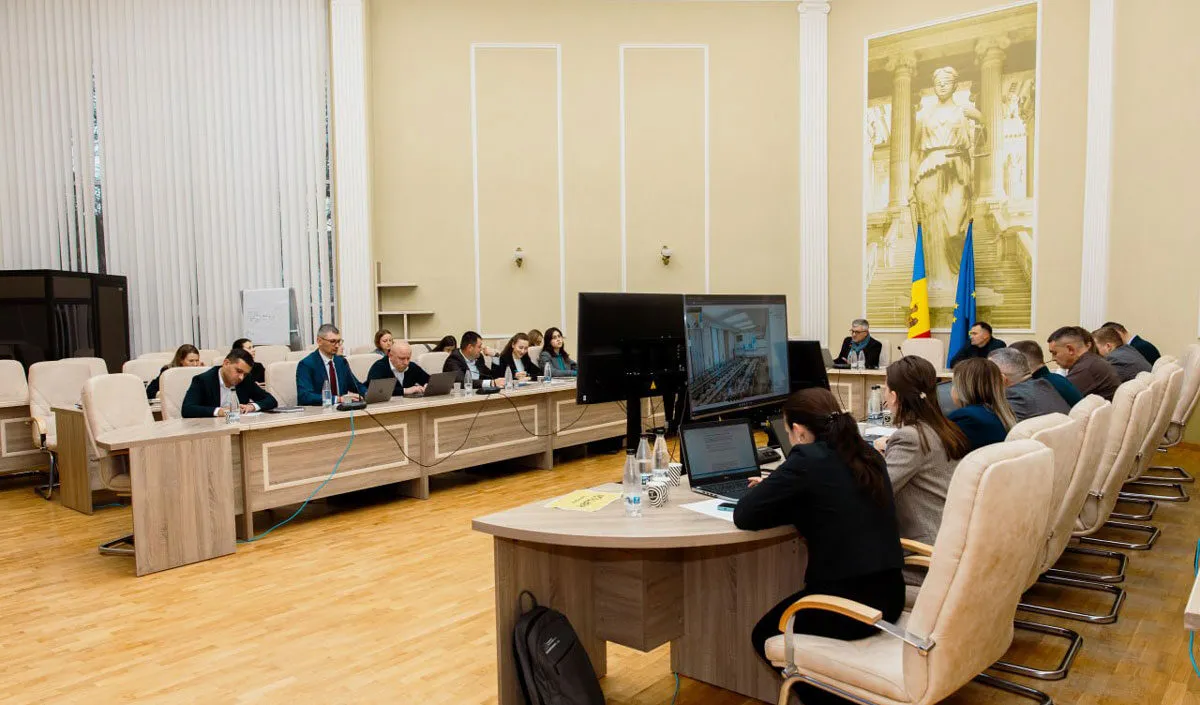
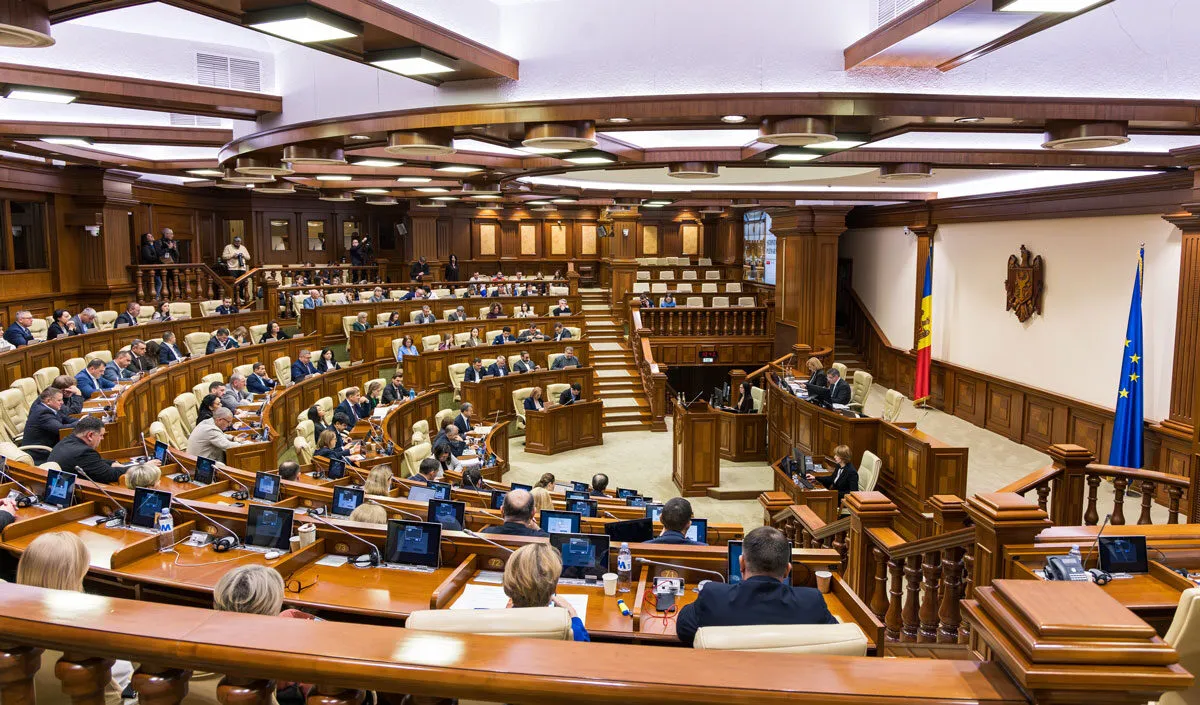
These provisions are set out in the draft government programme, drawn up by the Ministry of Education and Research.
The programme has three main strands: developing youth centres and improving the quality of the services they offer; expanding young people’s participation in public decision-making; and supporting youth initiatives and social projects.
The proposed measures include expanding the network of youth centres, training specialists who work with young people, supporting local civic initiatives, developing volunteering, and implementing the European Youth Charter.
Particular attention will be paid to young people in rural areas, those with disabilities, and young people who are neither in education nor in employment.
The need for a new programme is justified, amongst other things, by the results of the previous period. Of the 92 actions planned for 2023–2026, 46 were fully implemented, 32 were partially implemented, and 14 were not implemented at all. The reasons cited include insufficient funding and a lack of implementation mechanisms.
According to the National Bureau of Statistics, at the start of 2026, young people aged between 14 and 34 accounted for 21.9 per cent of the population of the Republic of Moldova, i.e. 517,300 people. In 2025, only 37.7 per cent of young people aged between 15 and 34 were in employment, whilst 27.9 per cent were neither in employment nor in education or vocational training.
This story was translated with the assistance of artificial intelligence.
Follow our updates
Have information for the newsroom? Share it with Logos-Press







Comments
0No comments yet. You can start the conversation.
Comments are open to readers with a Logos Press account.
Sign in to comment