


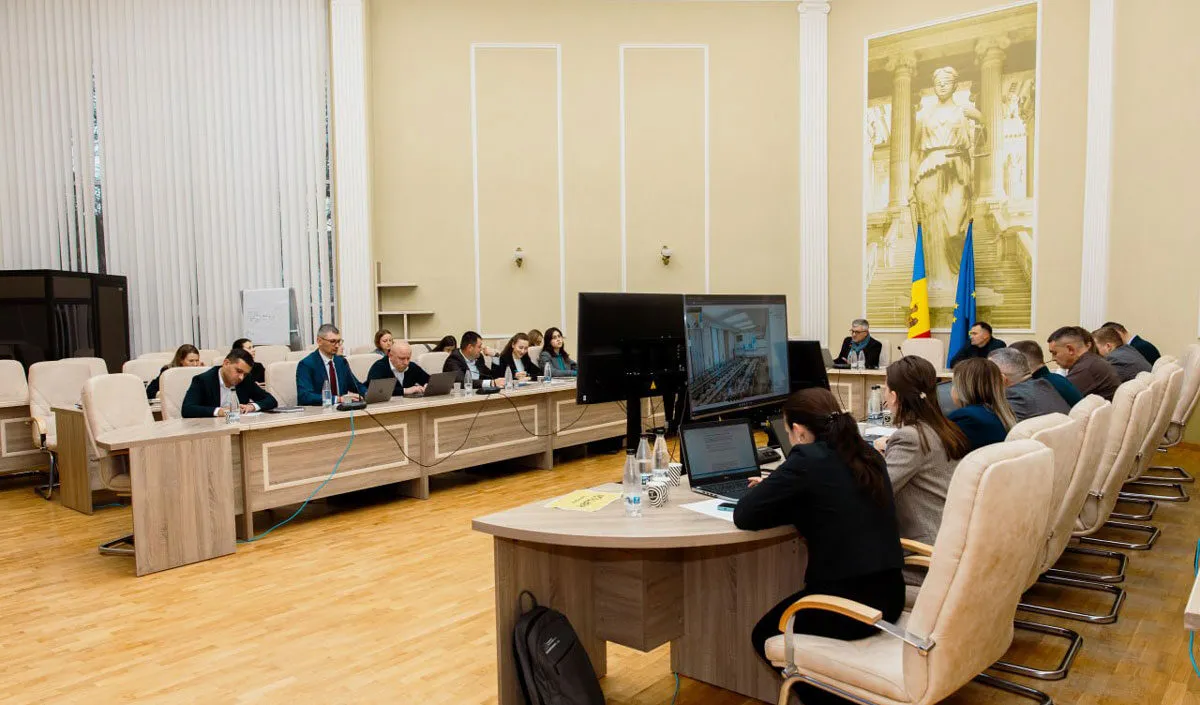
This was discussed at a working meeting on 19 November at the Ministry of the Environment, attended by representatives of the Stockholm Environment Institute and relevant organisations.
The main focus was on preparing the third phase of the study and exploring opportunities to secure support from the Swedfund Project Accelerator and the French Development Agency (AFD).
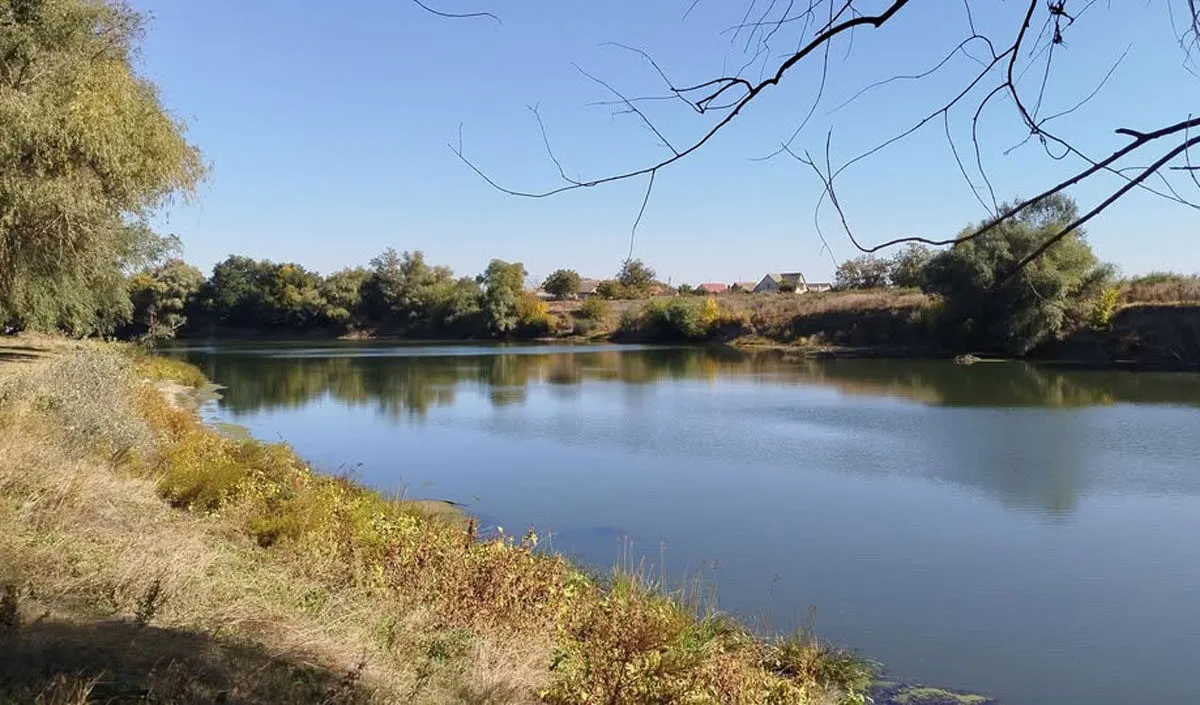
In particular, consideration is being given to carrying out technical and economic studies to determine where and under what conditions projects for the reuse of treated wastewater can be implemented. At the same time, the relevant agencies will need to be prepared for the practical implementation of such projects.
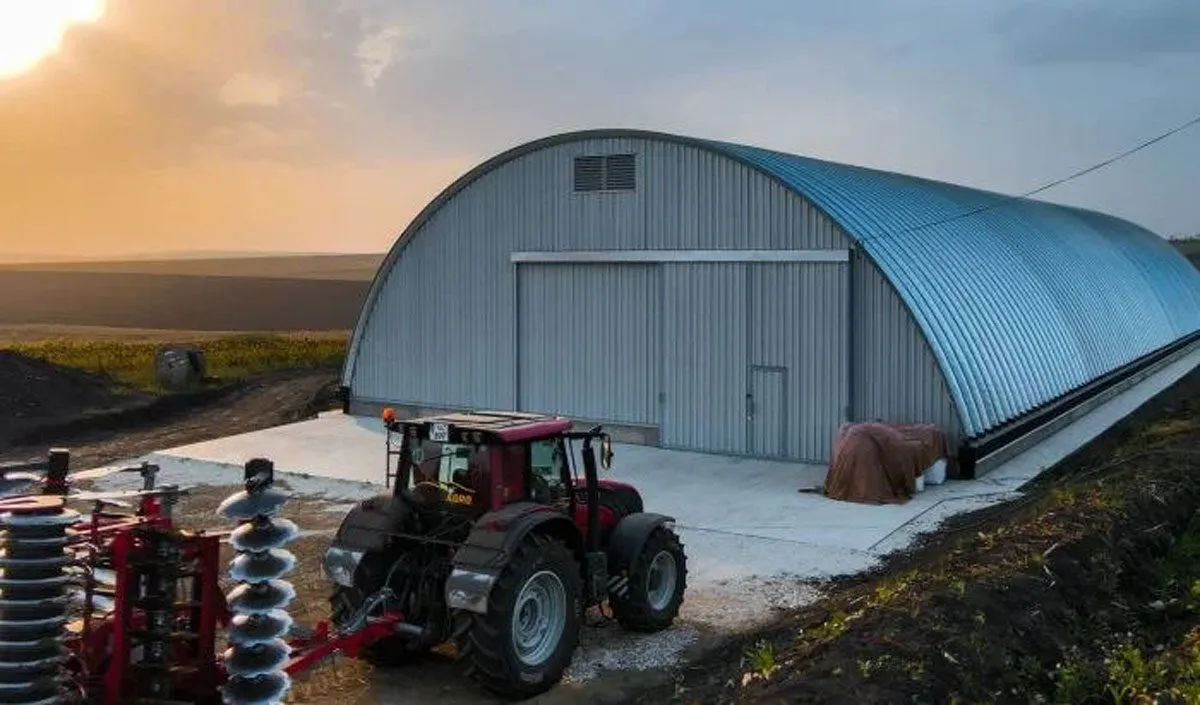
For agriculture, an additional source of water is particularly important during periods of drought, when the availability of water resources becomes one of the factors limiting production. The reuse of treated water can also reduce the need to abstract water from natural sources.
Requirements for water reuse
The meeting also considered a draft Regulation on minimum requirements for water reuse, drawn up by the Ministry of the Environment in accordance with European standards.
The document sets out the conditions for the safe use of treated wastewater for irrigation. In particular, it establishes requirements for water quality, monitoring, the issuing of permits for use, and the prevention of risks to the environment and human health.
The practical implementation of the new system will require the regulatory framework to be aligned with existing infrastructure, technical and institutional capacities, as well as the needs of the agricultural sector.
A separate issue remains the allocation of responsibilities between agencies and the establishment of coordination mechanisms necessary for the transition from research and planning to the implementation of specific projects.
However, participants at the meeting noted that implementing the initiative would require not only the development of regulatory requirements but also investment in treatment facilities and water supply infrastructure. These issues will be discussed separately.
Follow our updates
Have information for the newsroom? Share it with Logos-Press























Comments
0No comments yet. You can start the conversation.
Comments are open to readers with a Logos Press account.
Sign in to comment