


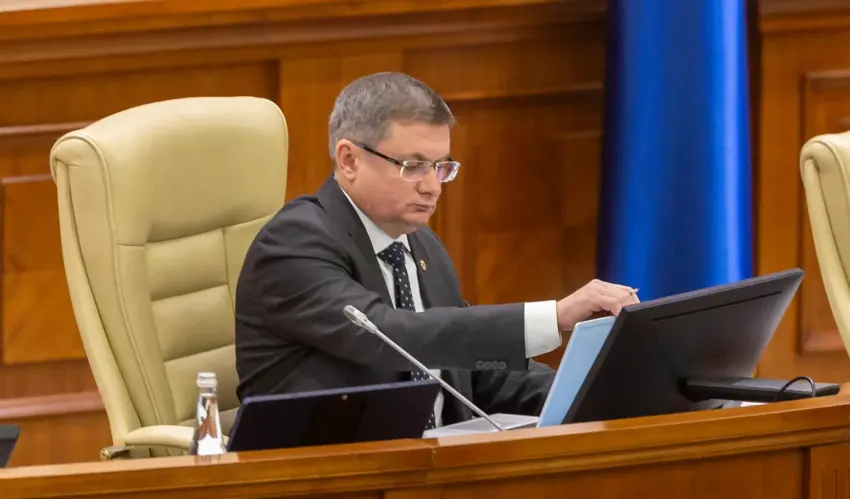
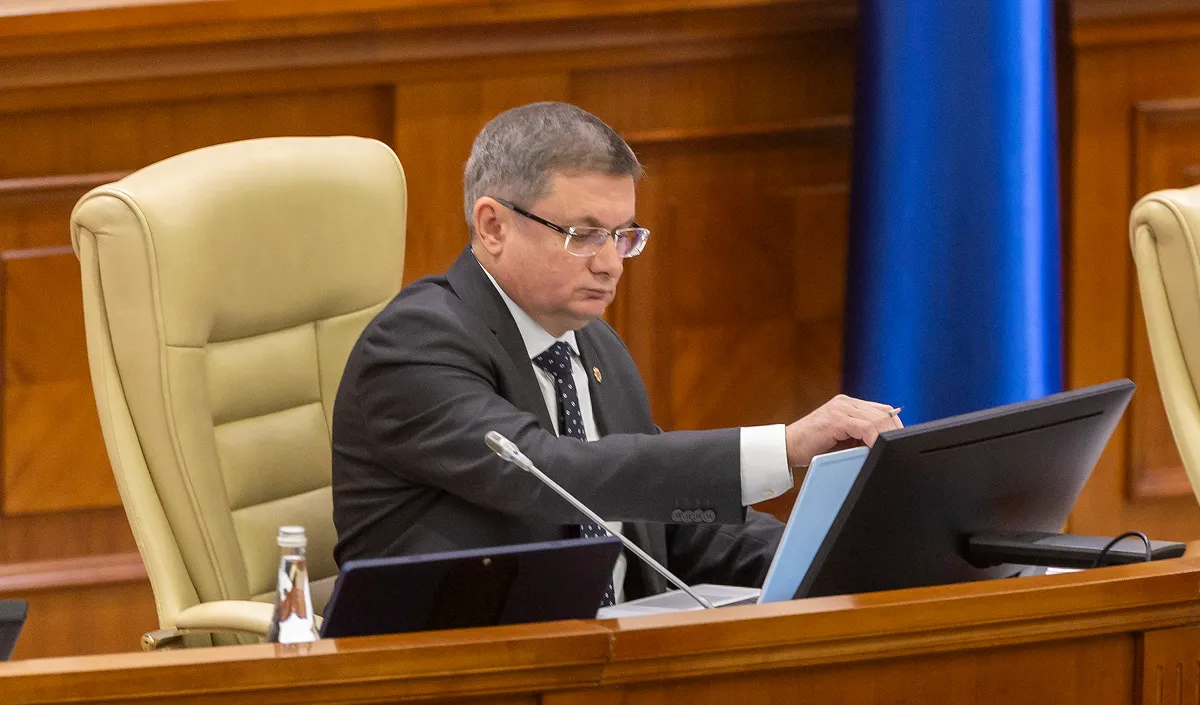
Igor Grosu
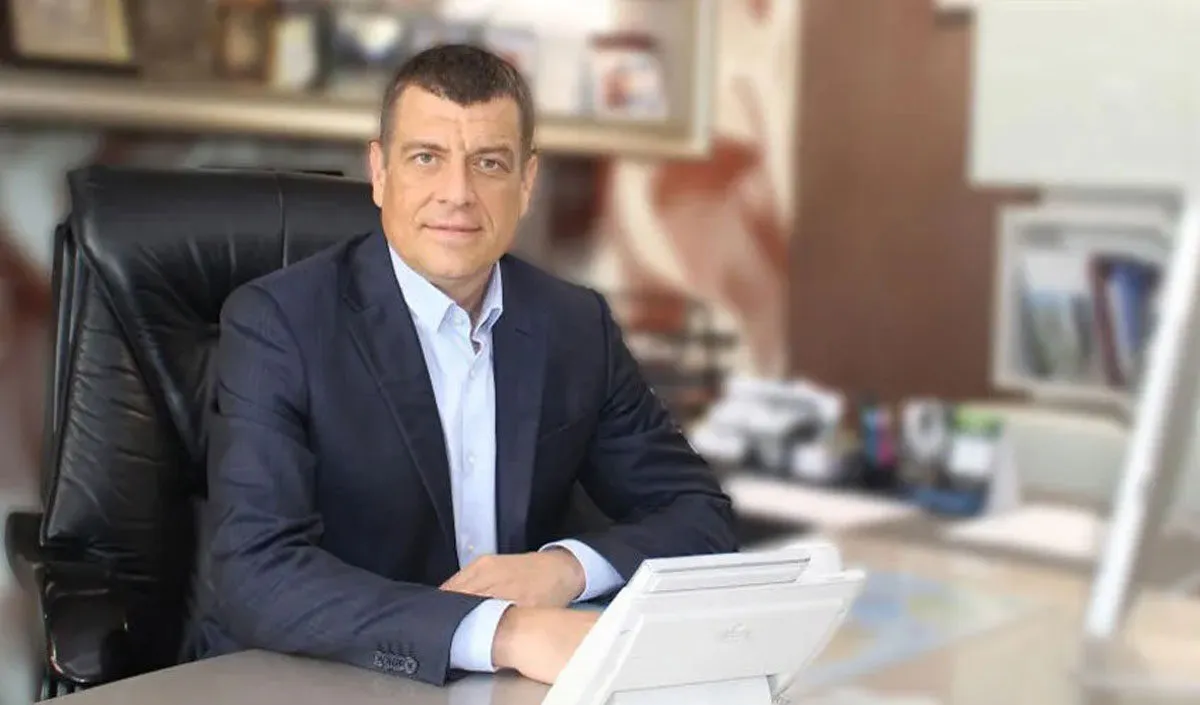
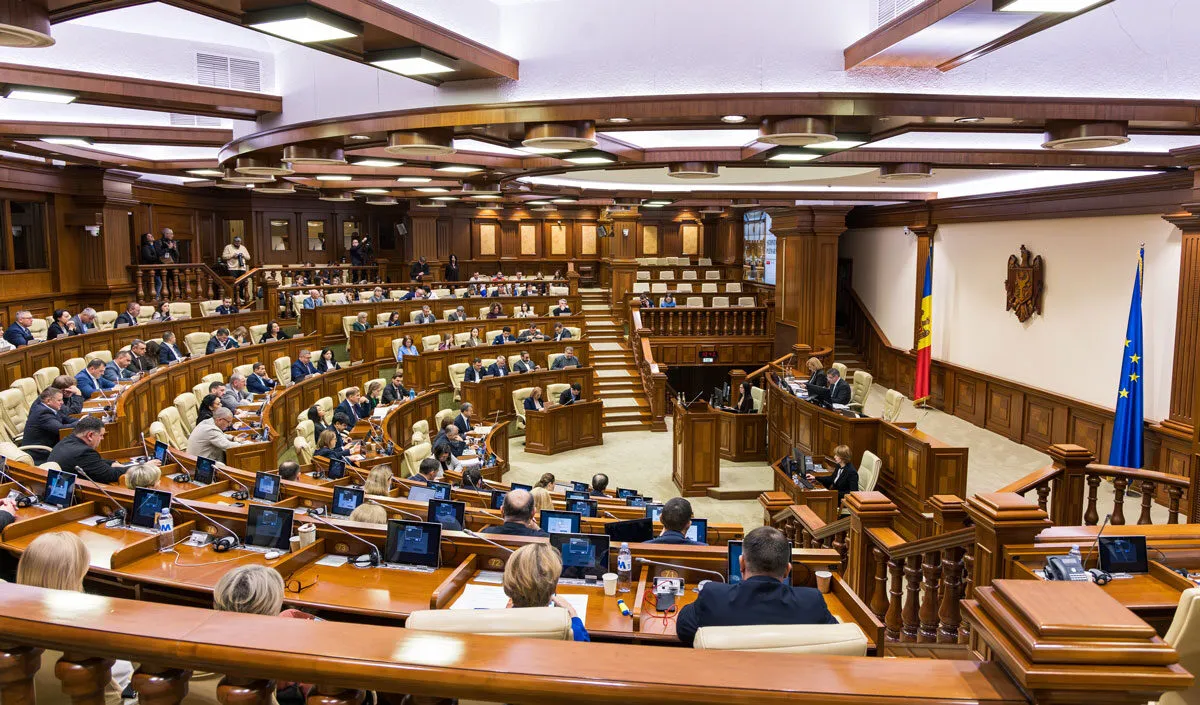
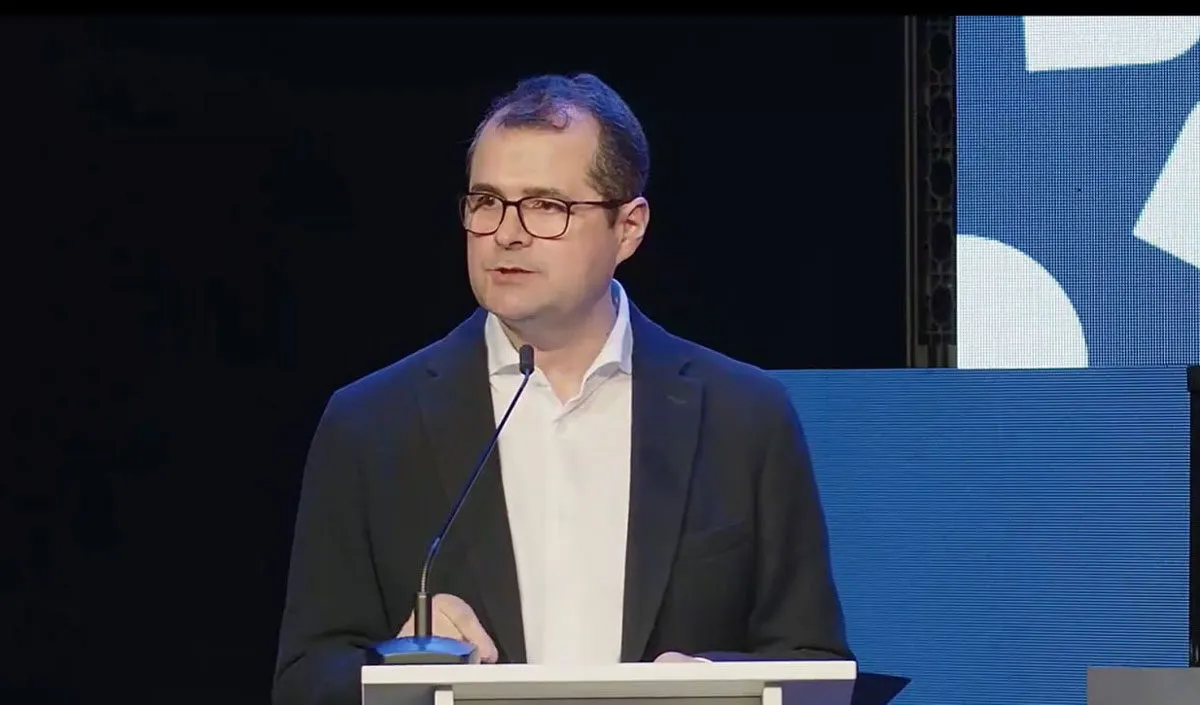
“This agreement, if we look at the technologies that can be transferred and the experience that can be gained, is, quite frankly, more to our benefit, although any agreement must be mutually beneficial,” Ghenadie Cojocaru stated in Parliament.
“In today’s circumstances, no one apart from Ukraine can share this experience. We, unfortunately, do not have F-16 aircraft, as demonstrated by the air capabilities of the North Atlantic Treaty Organisation’s allied states when they faced airspace violations,” the State Secretary added.
Cojocaru recalled that the Republic of Moldova had previously had technical-military cooperation agreements with other states, including Belarus and the Russian Federation. The agreement with Belarus was concluded in 1995, and the one with Russia in 1997. At present, however, neither of these is still in force.
“With Russia, we have just one agreement under which we are currently cooperating, out of a total of around 30. The cooperation is limited to the exchange of information regarding individuals who are retiring and requesting details of their previous service: during what period and in which unit they served. We request information; they request information. It concerns, so to speak, the social aspect,” explained the Secretary of State.
The official emphasised that the Ministry of Defence has a legal obligation to create the necessary conditions for the National Army to fulfil its constitutional mission.
“Honourable Members, the Ministry of Defence, in accordance with all its founding documents and Law No. 345 on national defence, is obliged to take all necessary measures to ensure the legal framework that enables the National Army to fulfil its constitutional mission – to defend the country,” stated Ghenadie Cojocaru.
“Like a knife in the back”
Opposition MPs criticised the bill, citing the Republic of Moldova’s neutral status and the fact that Ukraine is a country at war. In response, the Speaker of Parliament, Igor Grosu, dismissed these objections, stating that the current government had maintained the country’s peace and security.
“If you had been in power, there really would have been Russian tanks here. Like a thorn and a knife in the backs of the Ukrainians. But we have maintained and continue to maintain peace and tranquillity, and that is what we will continue to do. And to that end, yes, we will sign treaties with friendly countries,” said Igor Grosu.
The agreement on technical and military cooperation between the Republic of Moldova and Ukraine provides for the modernisation and repair of military equipment, the development of cyber defence, the protection of critical infrastructure, the exchange of technologies and the training of specialists. The document also allows for joint research projects, as well as the transfer of non-lethal equipment, including ambulances, specialised transport and non-military drones.
The cooperation will be of a consultative, analytical and technical-informational nature, without the direct provision of military assistance to a state involved in an armed conflict and without the use of the results for operational or offensive purposes. Nor does the agreement permit the deployment of foreign troops on the territory of the Republic of Moldova.
The document is concluded for a period of five years, with automatic renewal for successive periods of five years each.
Follow our updates
Have information for the newsroom? Share it with Logos-Press




Comments
0No comments yet. You can start the conversation.
Comments are open to readers with a Logos Press account.
Sign in to comment