

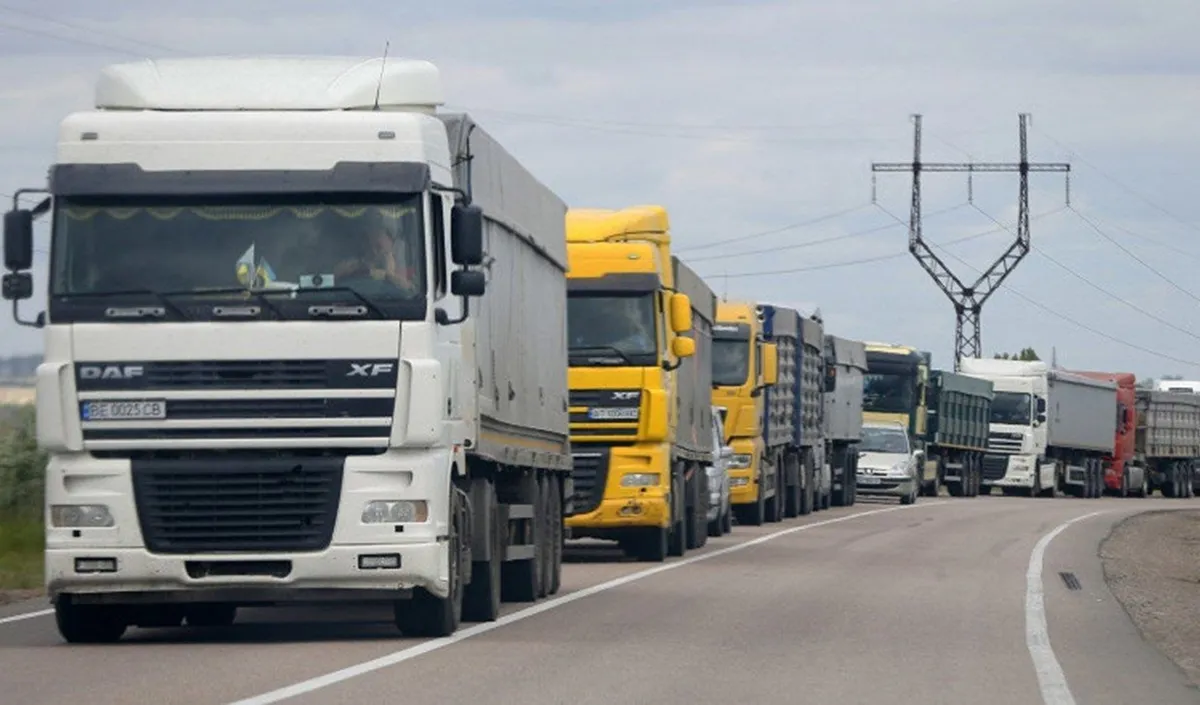
A Moldovan delegation led by Ina Angeluk, Director of the National Road Transport Agency (ANTA), took part in the meeting of the ITF Road Transport Group.
Plans are in place to transition CEMT permits to a digital format
One of the main topics of the meeting was the development of the CEMT digital system, which was launched on 1 January 2026. The ITF Secretariat presented an update on its operation and future development plans.
Participants considered and approved a decision on the system’s development and the integration of functions to digitise one-off permits for the carriage of goods under bilateral intergovernmental agreements. There are also plans to simplify the verification of such permits at border crossing points.
This initiative concerns the authorisation procedures used in international road transport. Their digitisation should facilitate the processing and verification of documents, as well as improve the efficiency of administrative processes.
New rules for the use of CEMT permits
Another topic discussed at the meeting was a possible update to the user guide for the CEMT multilateral quota system.
Participants considered proposals to optimise the rules governing the use of permits, including the possibility of carrying out multiple loading and unloading operations within a single journey. It is anticipated that this approach will make transport operations more efficient and reduce the number of empty runs.
In addition, an initiative was discussed regarding the possible inclusion of light commercial vehicles weighing between 2.5 and 3.5 tonnes in the CEMT multilateral quota system. According to ANTA, this issue was raised again at the request of a number of ITF member states.
However, decisions on updating the rules for the use of permits and on including light commercial vehicles in the system are yet to be taken at forthcoming meetings of the Road Transport Group.
What the changes could mean for Moldovan hauliers
The development of the CEMT digital system and the revision of the rules governing the use of permits have practical implications for international road hauliers. The digitisation of documents could simplify interactions with regulatory authorities, whilst more flexible rules for loading and unloading could improve the efficiency of transport operations.
The possible extension of the CEMT system to light commercial vehicles also warrants attention from the transport sector. However, its implications will depend on the final decision of the member states and the approved conditions for applying the new rules.
“Our presence at this meeting alongside delegations from member states confirms the Republic of Moldova’s commitment to implementing European standards in the transport sector. The decisions taken will directly modernise the processes for issuing, using and reporting on permits, thereby supporting road transport operators,” said ANTA Director Ina Angeluk.
The meeting also served as a platform for the exchange of experience between the states participating in the CEMT multilateral quota system. The main focus was on the further development of the digital infrastructure for international road transport.
This story was translated with the assistance of artificial intelligence.The translation was also reviewed by the Logos Press editorial team.
Follow our updates
Have information for the newsroom? Share it with Logos-Press


















Comments
0No comments yet. You can start the conversation.
Comments are open to readers with a Logos Press account.
Sign in to comment