



Supply chains proved to be fragile
The report notes that the region weathered global disruptions to oil supplies this year without widespread or prolonged shortages, as adaptation to market conditions, alternative sources of supply and flexible logistics ensured the continuity of supplies. However, prices remained high and supply chains proved fragile, highlighting the need for the EU to establish appropriate strategic reserves and contingency planning.
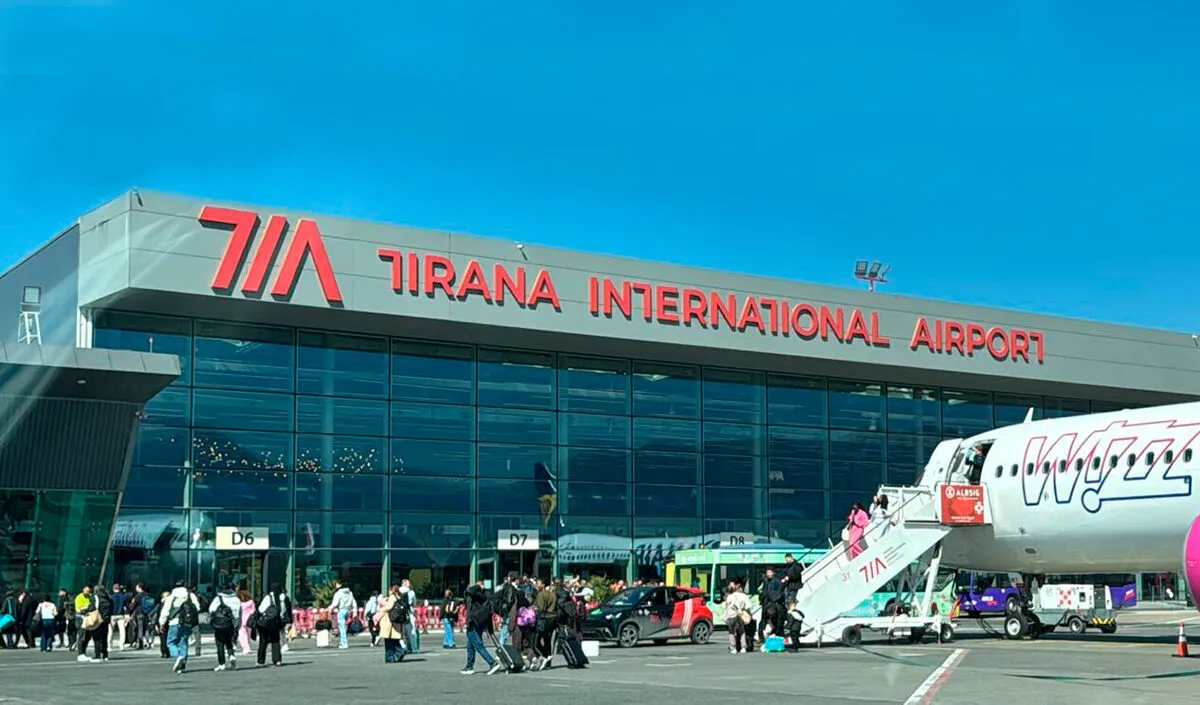
Two factors underlie this fragility. Firstly, in 2026, geopolitical and climatic pressures coincided with rising demand for oil across most of the Energy Community. The strongest growth in demand was observed in Georgia, Kosovo and Montenegro, as well as in Albania and Serbia, with aviation petrol proving to be one of the fastest-growing products as tourism expanded. Diesel fuel, which powers road transport, freight transport and agriculture, dominates demand in most Contracting Parties.
Secondly, most Contracting Parties rely on shared infrastructure, and Serbia has served as a regional refining and supply hub for the Western Balkans. As 2026 demonstrated, a disruption in one market quickly spreads to neighbouring regions, and in a region heavily dependent on imports, there are virtually no domestic reserves to fall back on. This makes coordinated EU action the cornerstone for both national measures and regional cooperation in emergency situations.
Reserves and planning are needed
The report therefore concludes that the Contracting Parties must accelerate their work on two key elements provided for in the Energy Community Treaty.
Stocks: Stocks can be key stabilisers for the region’s energy systems; however, progress in building them up remains uneven across the region. Serbia, North Macedonia and Montenegro have established mandatory reserves in accordance with specific legislation, but none of them currently holds the full 90-day reserve required under the Oil Stocks Directive.
This year, North Macedonia adopted an action plan to reach the full stock level by 2030.
Moldova adopted a new law on stockholding in June, whilst Ukraine has had such a law in place since 2023; however, neither of these systems is yet operational. The report calls for the transformation of legal obligations into usable stocks through funding, physical procurement of stocks, available storage facilities and clear release procedures.
Contingency planning: Market adaptation has mitigated the impact of disruptions this year, but it cannot guarantee supplies in the event of a protracted crisis.
Montenegro adopted an Action Plan for crisis situations involving disruptions to the supply of petroleum products in May 2026, whilst Moldova declared an official state of emergency and implemented emergency measures during the disruptions. The report emphasises that effective contingency plans and response mechanisms remain of the utmost importance across the region.
The Secretariat will publish the Oil Market Report annually.
Follow our updates
Have information for the newsroom? Share it with Logos-Press






















Comments
0No comments yet. You can start the conversation.
Comments are open to readers with a Logos Press account.
Sign in to comment