



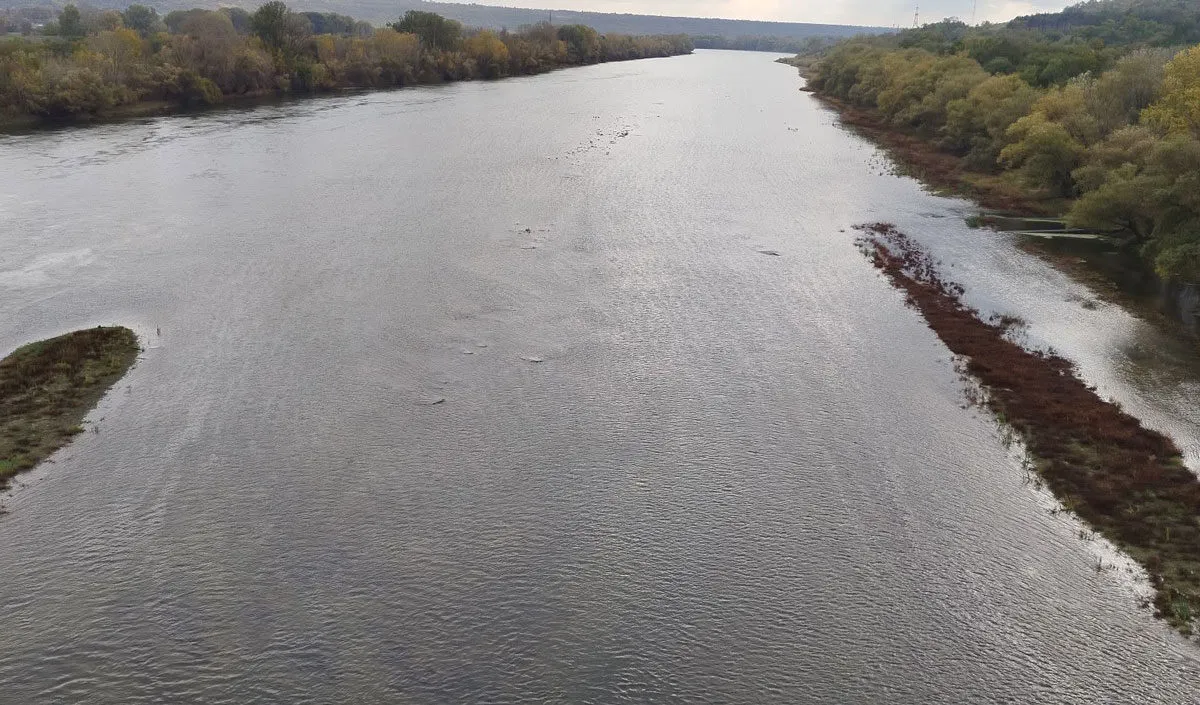
Water discharge from the hydroelectric power station in the lower reaches of the Dniester was maintained at the previous level – 55 m³/s – throughout November. In other words, the inflow has increased significantly (and on some days exceeded the average), whilst the outflow downstream remains half the normal level. Such is this one-sided stability, with no regard for the environment.
In the Dubossary Reservoir, the water level has also risen and now stands at 28.32 m.
“However, from a strategic perspective, there is still very little water for the ecosystem to function normally and to ensure a reliable supply during the warmer months, not to mention organising the spring ecological release,” concludes Ilya Trombitsky.
Follow our updates
Have information for the newsroom? Share it with Logos-Press

























Comments
0No comments yet. You can start the conversation.
Comments are open to readers with a Logos Press account.
Sign in to comment