


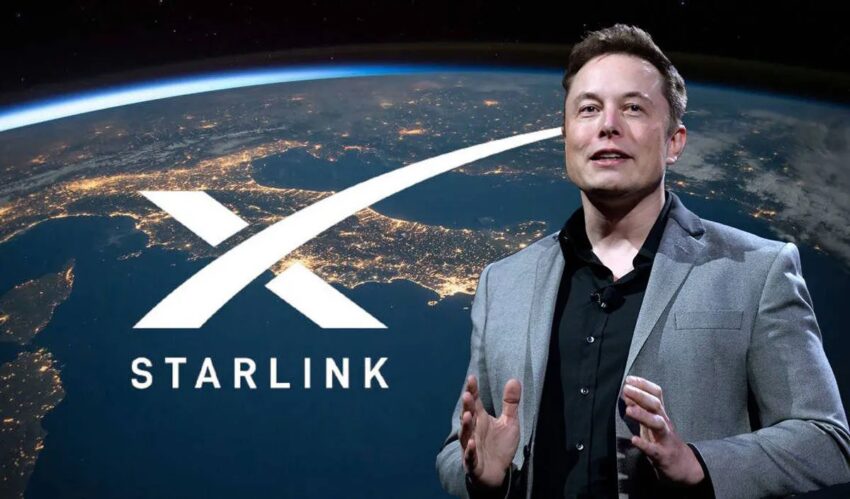
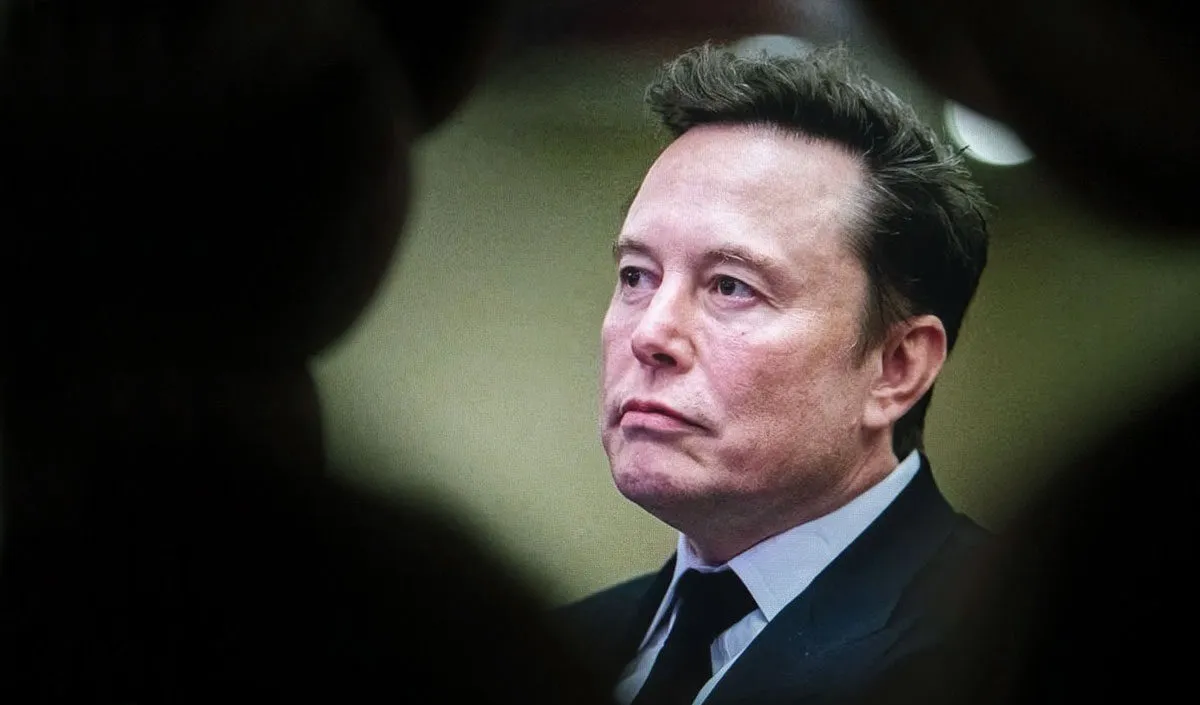
Musk responded to the announcement with a single word, ‘Starlink’, thereby drawing attention to the most popular satellite internet service brand. However, the entrepreneur did not say a word about the reasons behind SpaceX’s decision.
What does SpaceX’s agreement with the US authorities entail?
The SpaceX statement itself states that the agreement relates to the federal BEAD (Broadband Equity, Access, and Deployment) programme, which aims to expand access to high-speed internet in underserved areas of the US. It also states that the company is forgoing $738 million in subsidies but will continue to serve the locations covered by the programme. Furthermore, SpaceX must provide Starlink equipment to new eligible subscribers without an upfront fee, guarantee minimum download speeds of 100 Mbit/s and upload speeds of 20 Mbit/s, and offer an affordable monthly subscription.
According to the published description of the agreement, the commitment to provide services is for a period of 10 years. SpaceX will continue to undergo network performance audits and meet the stipulated connection deadlines.
This means that this is not about free internet for all Americans, but rather a special scheme to connect households in areas where access to broadband remains limited. The equipment will be free for eligible new subscribers, whilst a monthly fee will apply for the service itself.
What SpaceX gets in return
The financial aspects of the agreement go beyond simply waiving subsidies. Under the published terms, the company is exempt from most BEAD-related requirements concerning financial audits, procurement procedures and administrative reporting. However, network performance requirements remain in place.
According to Teslarati, the initiative to conclude the agreement came from SpaceX. Among the reasons cited for discussing the new model were differences in the contractual requirements of individual states, including reporting obligations and penalties for non-compliance.
For the company, such an arrangement means a change in the terms of participation in the federal programme: instead of receiving subsidies, SpaceX will cover the costs of equipment and connection maintenance, whilst benefiting from a more flexible administrative framework.
For the US authorities, the potential benefit lies in expanding internet access without having to pay out the subsidies originally envisaged. However, any assessment of the economic benefits must take into account not only the amount of funding foregone, but also the actual costs of equipment, connection and ongoing subscriber support.
What does Musk’s reaction mean?
The single word ‘Starlink’ in Musk’s response does not provide a direct explanation of the company’s motives. It can therefore be interpreted in various ways – as a statement of philanthropy, a victory over competitors or a criticism of government policy – without further evidence. But these are merely speculations.
That said, it is clear that, in the context of the post, the comment can be viewed primarily as confirmation of Musk’s attention to the agreement and an emphasis on the satellite internet service brand. Otherwise, Musk would not have reacted at all.
From a business perspective, the agreement demonstrates an alternative model for a private operator’s participation in a government programme: the company declines direct budgetary funding but gains the opportunity to serve the territories covered by the programme on different terms.
Follow our updates
Have information for the newsroom? Share it with Logos-Press





















Comments
0No comments yet. You can start the conversation.
Comments are open to readers with a Logos Press account.
Sign in to comment