


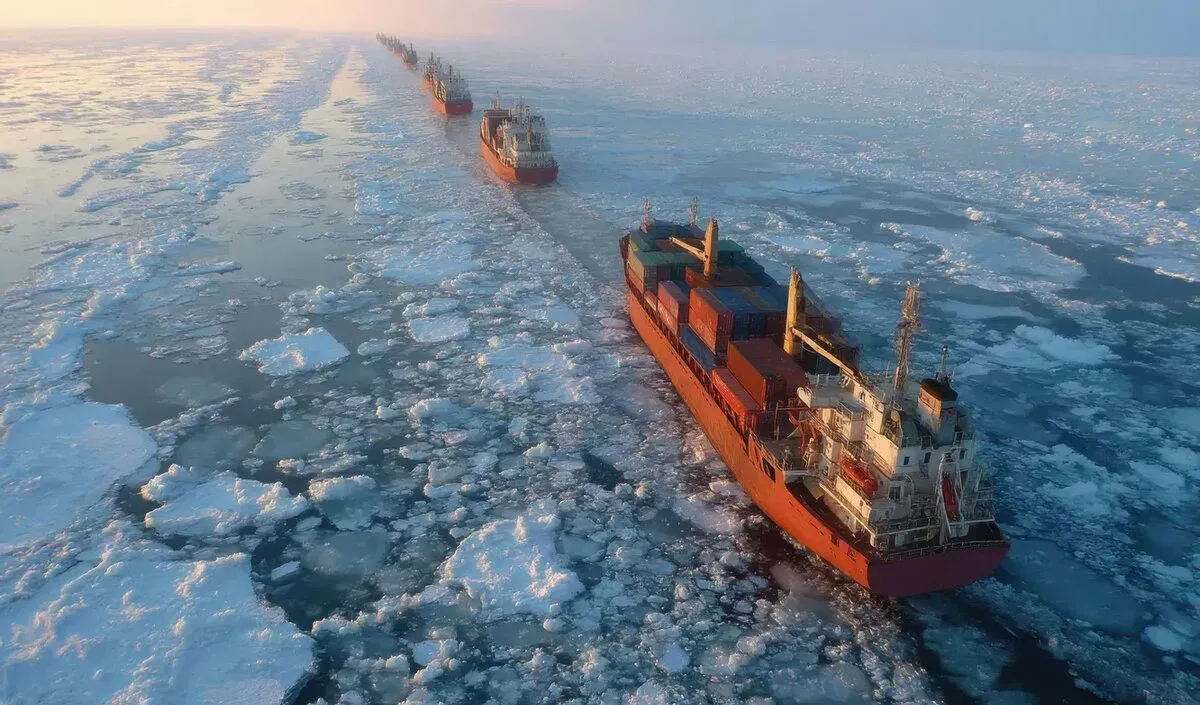
Foto pinterest.com / Ecoshp
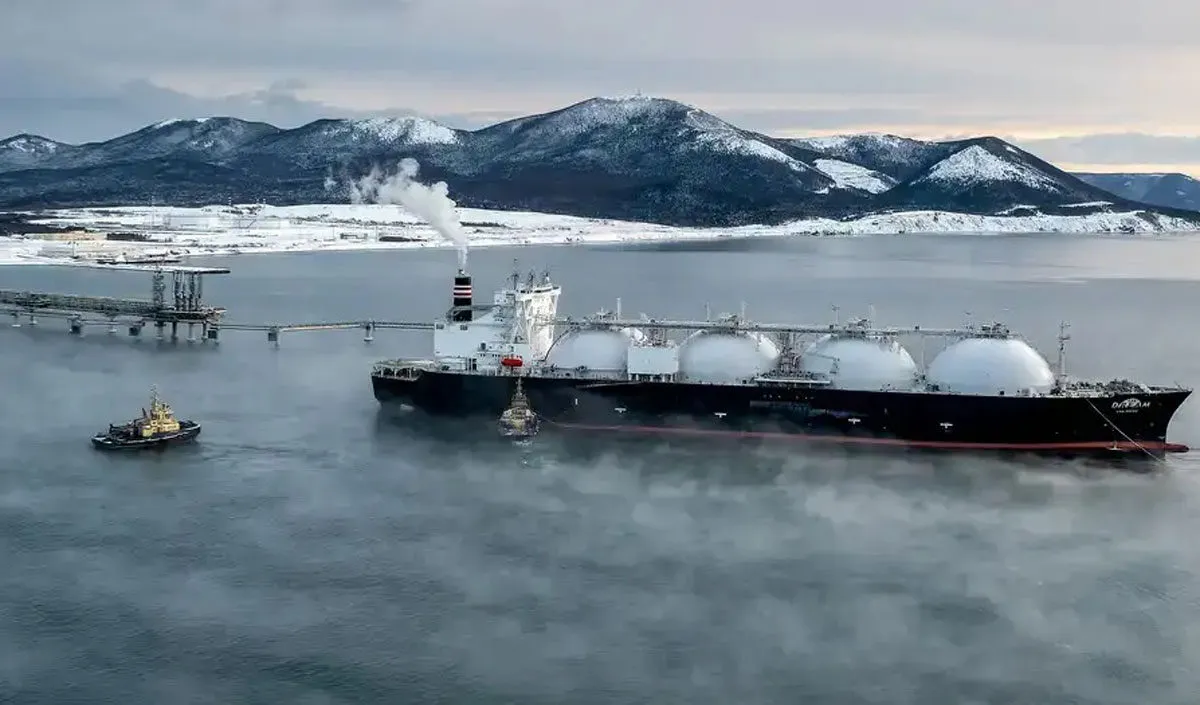
The vessel ‘Dubai Tower’ utilised a route along the Russian Arctic coast, which significantly shortens the distance between China and Europe compared with the traditional route via the Suez Canal, writes The New York Times. However, the voyage proved more challenging than planned: the unpredictability of ice conditions and weather remains one of the main factors complicating regular shipping along the northern route.
The economic viability of the Northern Sea Route remains a matter of debate. Use of the route is subject to seasonal restrictions, special requirements for vessels, and higher operational and insurance costs. These factors can significantly increase the cost of transport and negate the advantage of the shorter distance.
Nevertheless, Beijing views the Arctic in much broader terms than simply as a new transport corridor. China describes itself as a ‘near-Arctic power’ and is consistently expanding its scientific, economic and diplomatic presence in the region. This week, China and Russia conducted their first joint study of sea ice in the Arctic.
Beijing is also strengthening its cooperation with Moscow in the field of northern navigation, whilst simultaneously expanding its own capabilities for operating in the Arctic.
“China is highly skilled at turning projects that do not initially appear commercially viable into long-term strategic assets,” said Dexter Roberts, a senior fellow at the Atlantic Council. In his view, the ultimate outcome of such investments may lie not so much in direct profits from shipping as in China’s geostrategic advantage.
Beijing is thus exploring the Northern Sea Route not merely as a transport corridor. The aim is to establish a long-term presence in the region, the importance of which is growing as the climate changes and access to new maritime and resource opportunities opens up.
Follow our updates
Have information for the newsroom? Share it with Logos-Press























Comments
0No comments yet. You can start the conversation.
Comments are open to readers with a Logos Press account.
Sign in to comment