


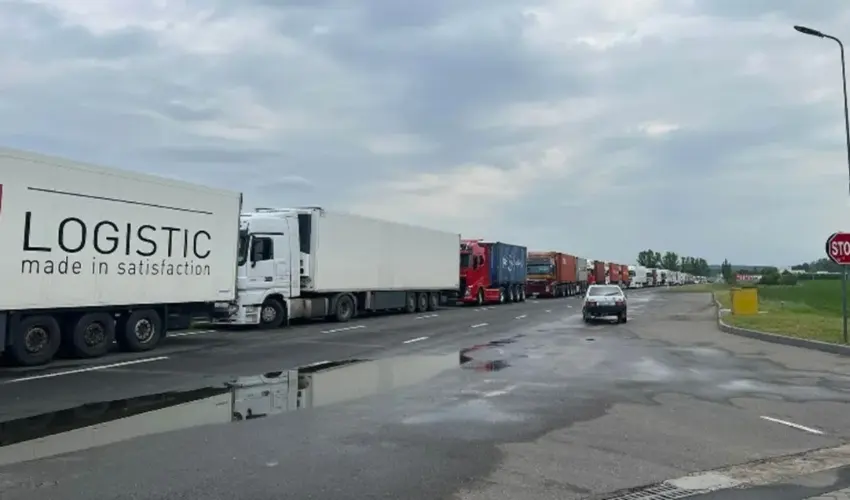
Among the agreed measures is the commissioning of two additional inspection lanes at the Giurgiulești–Galați border crossing, which will increase throughput capacity for lorries and enable more efficient management of traffic flows.
Another measure aims to separate the flow of empty lorries at the Leușen–Albita border crossing by directing them to a separate lane. Given that inspection procedures for these types of vehicles typically take less time, this measure will speed up the processing of empty lorries, prevent traffic congestion and make more efficient use of the existing infrastructure and resources for freight transport inspections.
At the same time, depending on operational requirements and traffic volumes, the authorities will increase the number of staff involved in control operations to ensure the coordinated implementation of the agreed measures and to maintain an increased rate of vehicle processing.
These actions are accompanied by an intensification of the operational exchange of information and ongoing coordination between the competent authorities of the two states, so that the operations of border crossing points can be adapted in real time to changes in traffic flows.
Customs officials remind the public that, from 3 November 2026, in accordance with measures agreed by the authorities of the two countries, it will also be possible to transport grain crops via the route from the Republic of Moldova to Romania through the Costesti-Stynca border customs post. This option helps to diversify transport routes and reduce the burden on congested customs posts.
These measures form part of the joint and ongoing efforts by the customs and border authorities of Moldova and Romania to strengthen cross-border cooperation, utilise existing capacity and ensure faster, more predictable and more efficient trade flows.
This story was translated with the assistance of artificial intelligence.
Follow our updates
Have information for the newsroom? Share it with Logos-Press




















Comments
0No comments yet. You can start the conversation.
Comments are open to readers with a Logos Press account.
Sign in to comment