


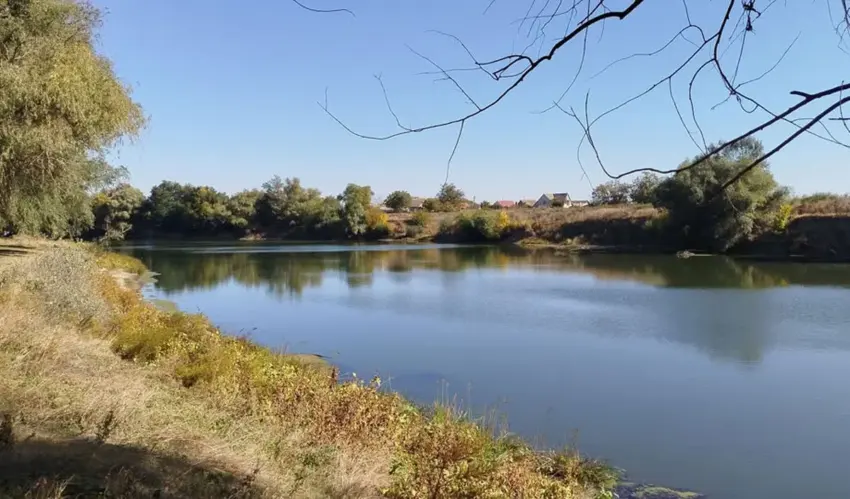
The inflow from the Carpathian part of the river basin into the Dniester Reservoir currently stands at 67–70 m³/s. Water is released from the reservoir into the lower reaches of the Dniester solely via the turbines of HPP-1, and throughout November this release averaged approximately 56 m³/s. The difference between inflow and outflow has allowed the reservoir level to rise to 111.16 metres, which is still very low when compared to the ‘lower limit of normal’ of 112 metres declared by the hydroelectric power station’s administration. “However, the fact that the rainfall has recharged the soil gives reason to believe that the runoff will be substantial regardless of further rainfall,” summarises Ilya Trombitsky, director of Eco-TIRAS, on his Facebook page.
Water discharge from the Dubossary Reservoir stands at 73 m³/s, and this too is solely via the hydroelectric power station’s turbines. Meanwhile, the water level in this reservoir stands at 28.27 metres above sea level.
The total forecast rainfall in the upper Dniester basin for the next two weeks is around 20 mm. Consequently, consistently low water levels are to be expected in the lower Dniester over the coming month. Nevertheless, as the expert notes, the level is higher than it was in September–October.
In a comment to Logos Press, the expert suggested that, for a certain period, the severity of the water supply problem for settlements in Moldova has eased. However, the Dniester’s ecosystem problem has not gone away. Should sub-zero temperatures set in and the river become covered in ice for prolonged periods during the cold season, coupled with the ongoing inflow of ‘background’ organic pollutants into the Dniester, this poses a risk of fish kills in the river.
A recent statement by the Minister for the Environment, Gheorghe Hajder, that water discharge into the lower reaches of the river in November may take a turn for the worse is also a cause for some concern. The Moldovan side will therefore work to maintain the ‘status quo’. According to Ilya Trombitsky, this could mean that the Ukrainian side may decide to move more actively towards a water storage regime in the Dniester Reservoir – with a view to meeting the needs of the energy sector.
This story was translated with the assistance of artificial intelligence.The translation was also reviewed by the Logos Press editorial team.
Follow our updates
Have information for the newsroom? Share it with Logos-Press























Comments
0No comments yet. You can start the conversation.
Comments are open to readers with a Logos Press account.
Sign in to comment