

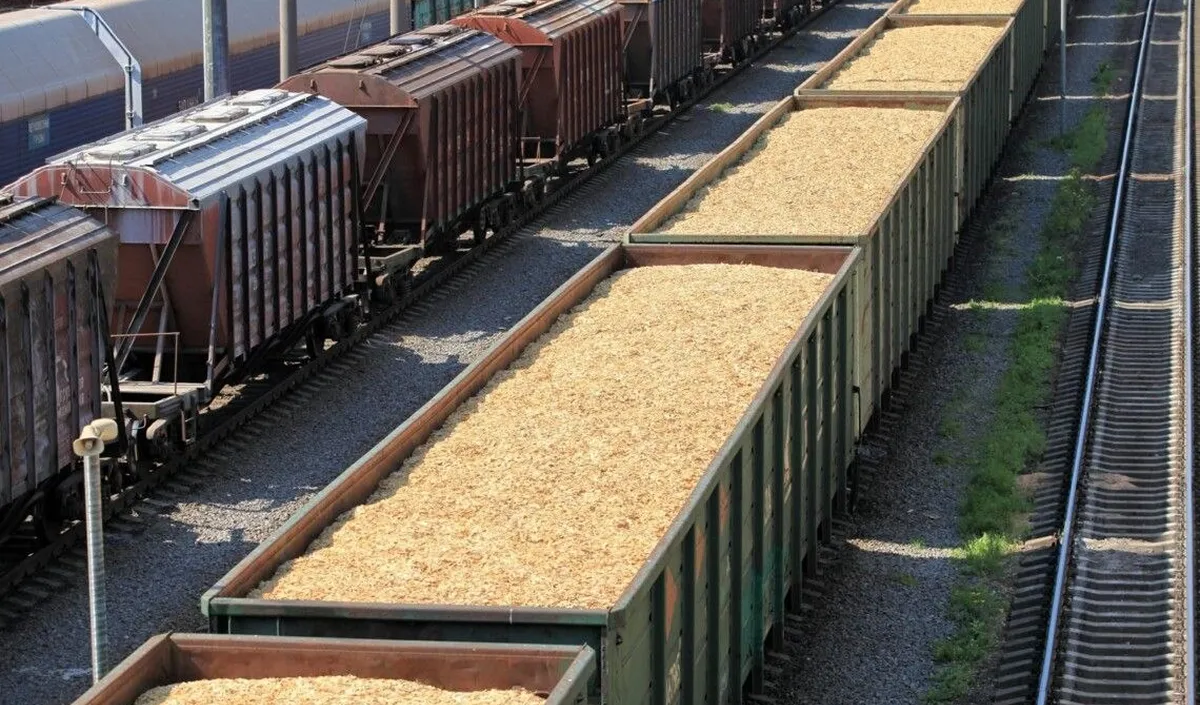
From 1 November 2026, CFM intends to increase freight tariffs by 15 per cent. The reason given is the rise in prices for petroleum products.
The ‘Agrocereale’ Association points out that the tariff increase comes into force at the height of the marketing season and will affect the purchase price of agricultural produce from Moldovan farmers. In other words, the bulk of the costs arising from the rise in transport and logistics charges will have to be borne by the grassroots level of the grain industry.
Agrocereale’s management points out that in August, CFM reduced the tariff for the rail transit of Ukrainian cargo through the Republic of Moldova by 50 per cent. This measure remains in force until 31 December 2026 and is aimed at attracting a portion of the approximately 6 million tonnes of agricultural cargo that Ukraine intends to export. The association’s management is asking how this discount fits in with the announced increase in freight tariffs from November this year?
The association also draws attention to the sharp decline in rail freight volumes as the current marketing season progresses. For instance, the volume of rail exports of the five main agricultural crops in Moldova fell from 85,200 tonnes in July to 9,200 tonnes in August – a decrease of approximately 89 per cent. At the same time, in August 2026, demand for grain wagons was estimated to have exceeded 2,000 units, whilst CFM had only around 700 units at its disposal. Of the 90 locomotives, according to the association’s information, only 19 were in working order. In other words, the problem lies not in a lack of demand for the service, but in the capacity to provide it. Raising tariffs will not solve the problem of the shortage of wagons and locomotives.
In this regard, ‘Agrocereale’ requests clarification on how CFM’s additional revenue from the increase in freight tariffs will be allocated.
This story was translated with the assistance of artificial intelligence.The translation was also reviewed by the Logos Press editorial team.
Follow our updates
Have information for the newsroom? Share it with Logos-Press














Comments
0No comments yet. You can start the conversation.
Comments are open to readers with a Logos Press account.
Sign in to comment