

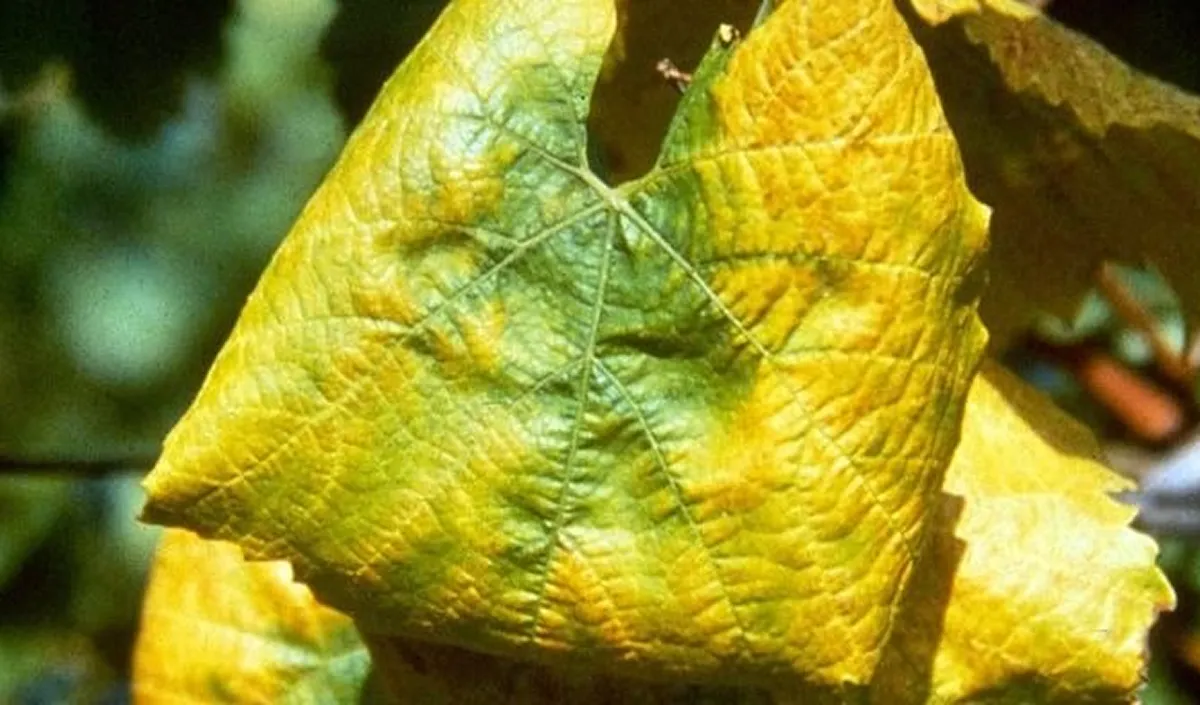
ANSA staff and participants practised procedures for coordinating actions with winegrowers and carrying out the phytosanitary treatments necessary to localise and eliminate disease outbreaks.
During the simulation exercises, the following processes were practised and reviewed:
– identifying and demarcating affected areas;
– organising monitoring and surveillance in vineyards;
– taking samples for laboratory diagnosis;
– developing measures to control and eradicate the disease;
– managing risks associated with the spread of the disease via grapevine planting material and insect vectors.
‘Grapevine flavescence dorée’ (*Grapevine flavescence dorée*) is a serious disease caused by a phytoplasma. It can lead to significant economic losses in viticulture and winemaking. Prevention and control of this disease require its early detection, continuous monitoring of vineyards and the implementation of appropriate phytosanitary measures. The participation of ÚKZÚZ experts enabled ANSA specialists to exchange experiences and adopt European methods of phytosanitary surveillance and management of infection foci.
The training took place as part of the project ‘Strengthening Control and Testing Capacities in the Phytosanitary Sector of the Republic of Moldova’.
This story was translated with the assistance of artificial intelligence.The translation was also reviewed by the Logos Press editorial team.
Follow our updates
Have information for the newsroom? Share it with Logos-Press
















Comments
0No comments yet. You can start the conversation.
Comments are open to readers with a Logos Press account.
Sign in to comment