


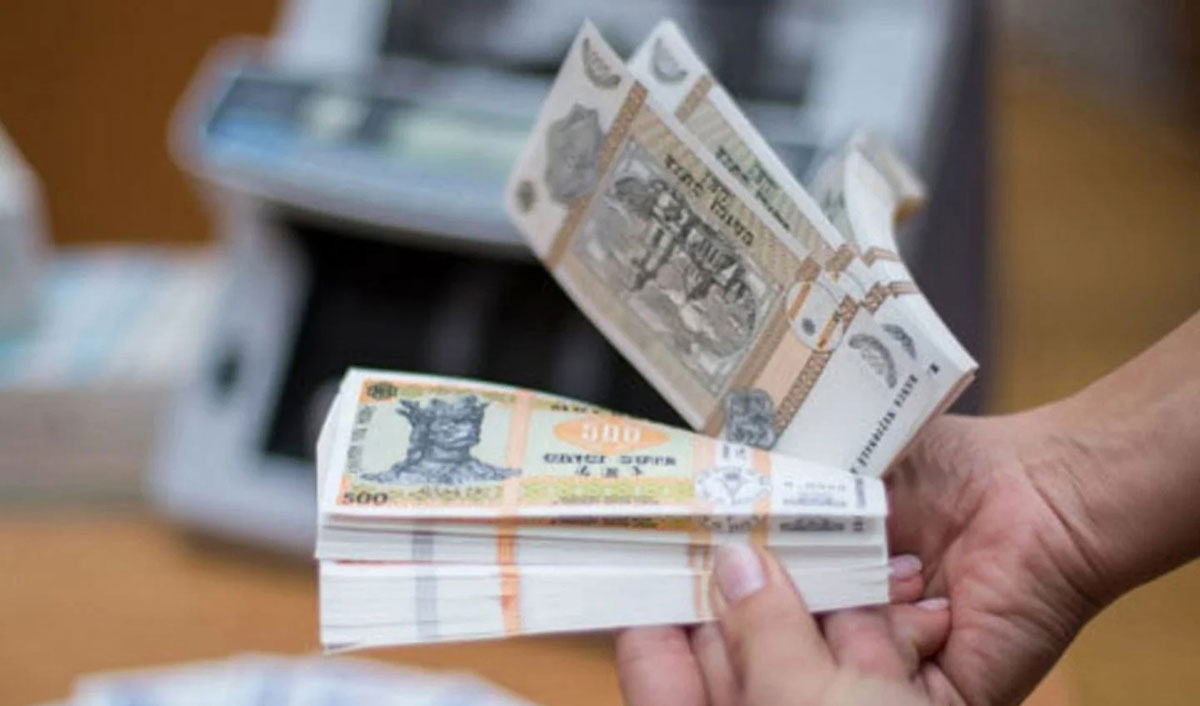
As reported by LOGOS PRESS, the government plans to increase the 2026 state budget deficit by 2.17 billion lei—to 23.07 billion lei (about 5.95% of GDP)—due to rising expenditures. According to economists’ estimates, the cumulative deficit over recent years has significantly increased the burden on public debt, which exceeded 150 billion lei in the first half of 2026.
The rise in spending and the state budget deficit in Moldova in 2026 is driven by a combination of rising debt service costs, increasing social obligations, and a reduction in foreign grant aid.
According to the latest adjustments by the Ministry of Finance, expenditures rose by 2.77 billion lei at once. The key expenditure items and factors influencing this trend are broken down as follows.
Public debt service (+342.8 million lei):
Total expenditures under this category reached 6.51 billion lei. The main factor was the rising cost of domestic debt, as the government has been forced to take out short-term loans on the domestic market at higher interest rates, as well as due to rising benchmark rates on global markets.
Increase in social obligations and salaries:
The budget provides for an increase in the minimum wage in the public sector to 6,300 lei, as well as a rise in the base rate used to calculate salaries for public sector employees (from 2,200 to 2,400 lei), which increased the total cost of payroll.
Infrastructure spending:
There was a targeted increase in funding for specific projects in the areas of road infrastructure, agriculture, water supply, and sewerage.
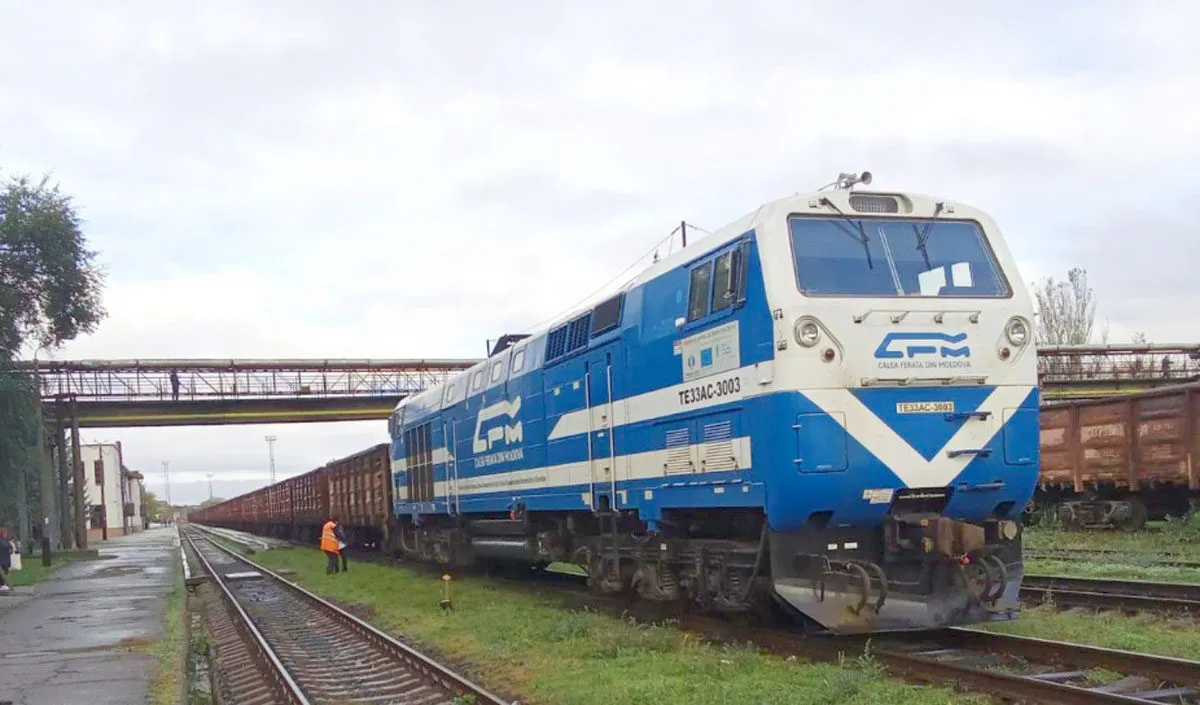
To maintain a balanced budget, the government had to cut spending in other areas by 959.8 million lei (primarily projects with external financing). For example, funding for railway modernization has been delayed, and spending on the construction of a new correctional facility in Chisinau has been reduced. Spending on forestry development and the purchase of new agricultural equipment has also been cut.
Grants aren’t what they used to be…
But the main catalyst for the crisis was the shortfall in grants flowing into the country. As a result of the latest adjustments to Moldova’s 2026 state budget, the projected volume of revenue from foreign grants was reduced by 837 million lei.
The World Bank has canceled a previously planned tranche, and the pace of implementation of other foreign programs has slowed. As a result, the government has had to adjust the budget and cover the cash shortfall with expensive domestic loans.
Grants already accounted for a relatively small share of budget revenue (about 3% of total external financing).
When approving the “Investment Budget” for 2026, the government projected external grants at 2.25 billion lei. Ultimately, the budget ended up with a historically low level of grant aid—just 1.41 billion lei. By comparison, in 2025, the country received 4.7 billion lei in grants.
Follow our updates
Have information for the newsroom? Share it with Logos-Press














Comments
0No comments yet. You can start the conversation.
Comments are open to readers with a Logos Press account.
Sign in to comment